
Long ago, when people had to watch a documentary or go to a library to read about vibrant cities, beautiful mountain trails, or strange places around the world, tourism felt perfect. That was a time when we could truly consider ourselves lucky to have been able to discover the wonders of this world. But not anymore. Somewhere between cheap flights, inexpensive cruises, and viral photos, discovery degenerated into overtourism.
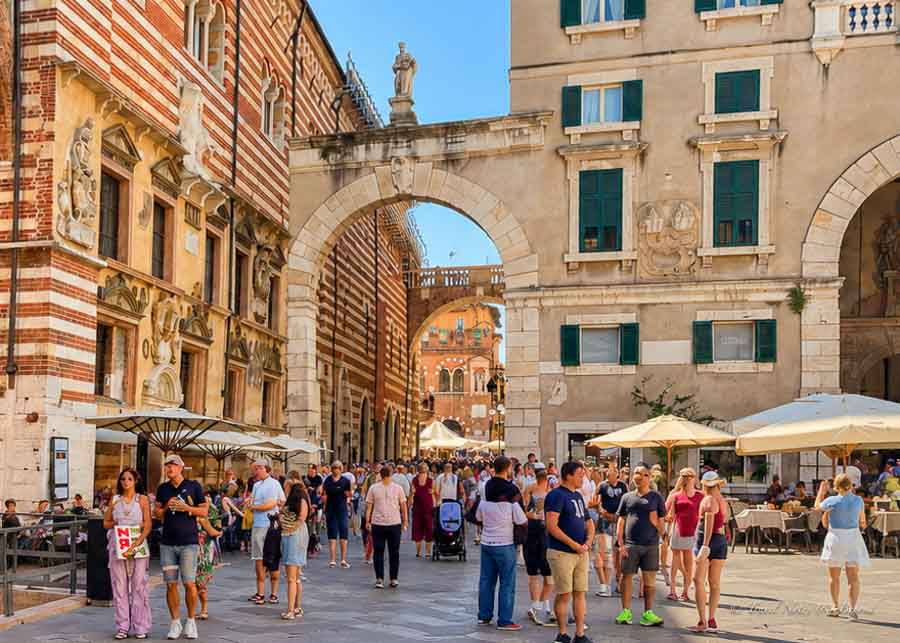
How Did We Get Here?
Before you cry “elitism,” let me explain. This is not about saving travel for those with money or privilege. It is about the fact that travel used to ask something of you. You had to be curious enough to seek a place out. You had to read about it, dream about it, make a little effort before you ever showed up. That effort was a filter. Not a filter of money, but of motivation.
Back then, travel wasn’t just a matter of money. Plenty of people had the means to go, but not the drive to find out what a destination was really about. With no internet and far fewer guidebooks, simply discovering interesting places took real effort: time in libraries, hunting down documentaries, asking around, and planning carefully. So the ones who ended up traveling were those prepared to do that work, not just those who could afford a ticket.
Sadly, that filter is now lost. And the reason is not the ticket price, but the cost of indifference. Once a place becomes effortless to reach, it fills not only with curious travelers but with indifferent ones as well. With those who couldn’t name the building they’re photographing, who want a selfie in front of the Louvre not because it means anything to them, but because back home it proves they have been there.
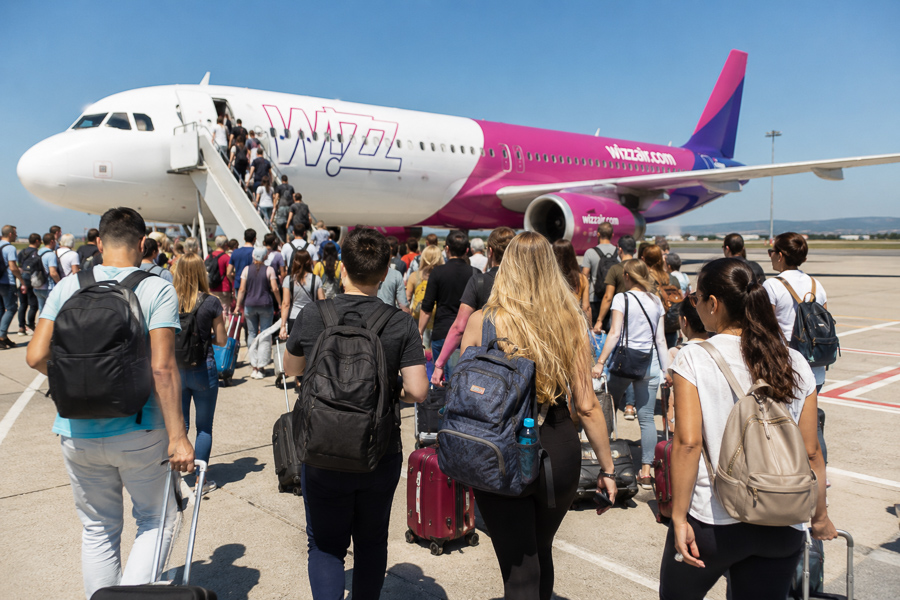
Here’s what nobody admits. Travel turned into a status symbol. The old trophies: the watch, the car, the big house, got replaced by a list of stamps in a passport. People don’t go to see the place anymore. They go so everyone knows they’ve been. There’s a new crowd now, and you can spot them by one thing: the place doesn’t matter to them. Paris, Bali, Santorini, it’s all the same photo. They didn’t come to see the place. They came because they heard it’s beautiful, so they had to come too.
No, this is not about gatekeeping the world for the lucky few. It’s about something simpler and harder to argue with: a destination deserves visitors who give a damn. And that’s exactly why the curious, prepared traveler is the last person who should be apologizing, even though they are the one being made to feel guilty these days.
The Main Culprits Behind Overtourism
Let’s stop pretending the answer is a mystery. The crowds choking Venice, Barcelona, and Dubrovnik didn’t form by accident, and they didn’t form one curious traveler at a time. They were delivered in bulk. By an industry that figured out how to turn living cities into drive-through attractions. And by people who are perfectly happy to be processed like cargo, as long as they get the photo.
The Cruise Ships
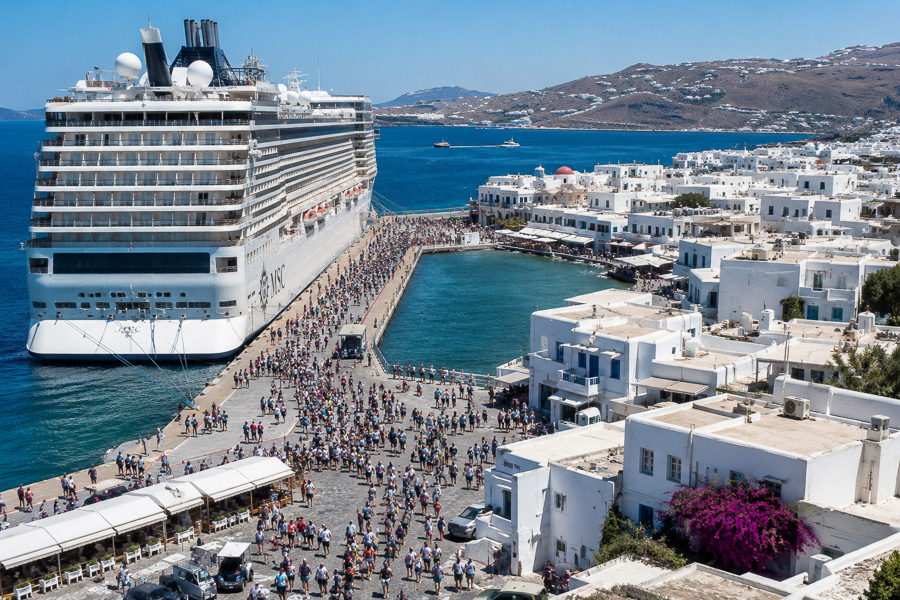
Let’s start with the cruise ships. A single floating tower parks itself in a fragile old harbor like Mykonos, or Santorini, and unloads several thousand people in the space of a morning. No, let me rephrase that: several floating towers park themselves in that same fragile harbor. Because that’s the reality I witnessed with my own eyes.
On a peak summer day, as many as 17,000 cruise passengers are poured into these small Greek islands. All of them funneled through the same three streets in the same midday heat, while shopkeepers watch from their doorways. They photograph the same cathedral, buy a fridge magnet stamped “Made in China,” eat nothing, sleep nothing, and are vacuumed back on board by late afternoon. The ships leave with their money. The towns keep their garbage. Multiply that across a whole season and you no longer have tourism. You have a daily invasion with a return ticket!
The Tour Buses
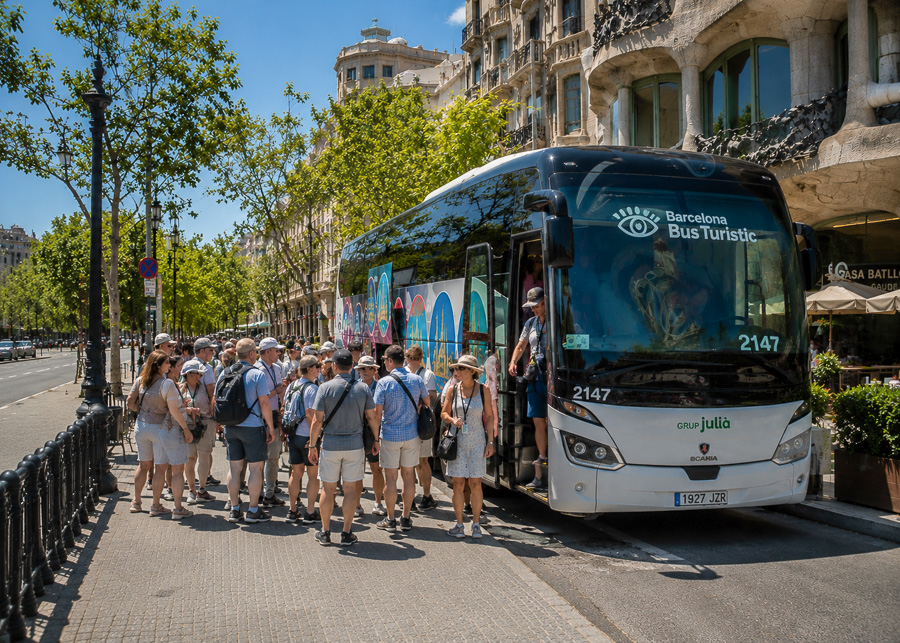
Then come the buses. Forty-odd passengers dumped onto a curb, herded behind a guide holding an umbrella, given ninety minutes to “see” a place that deserves a week, then loads them back up for the next box to tick. They don’t stay the night, don’t sit at a local table and they don’t learn a single name. They just came to collect the destination, not to experience it.
The Rest of the Culprits
But the cruise ships and tour buses don’t act alone. The truth is that overtourism is a whole machine that has been fed for years by several other hands.
- Budget airlines tore down the last barrier to mass travel. The problem isn’t that more people can afford to fly; it’s that rock‑bottom prices encourage constant, thoughtless trips to the same few hotspots. When a flight to Paris costs less than a dinner, people don’t go to Paris because Paris means something to them. They go because it’s cheap, because why not. The low fare didn’t just open the world. It taught us to treat a city like a coffee break, easy to grab, easy to forget.
- Airbnb might be the deepest cut of all. A family home turns into a tourist rental, then another, then the whole street, and before you know it the rent has climbed so high that the locals can’t afford to live there anymore. A cruise crowd may be gone by sundown, but this kind of damage stays.
- Governments and tourist boards. Here’s the part that really gets me. They pour millions into marketing, chase record tourism numbers like a trophy, and look the other way on regulation, then act shocked at the crowds they personally invited.
- And then there’s social media. Oh, don’t even get me started on this one! Somebody sees their so-called friends posting selfies from some beautiful spot and suddenly they have to go stand in the exact same place and take the exact same photo. That’s not travel. That’s keeping up with the neighbors. Except the whole world is the neighborhood now.
Who Actually Pays the Price?
The problem is that someone always ends up paying for overtourism. And it’s never the people who caused it.
First, the locals. The people who were born in these places are quietly being squeezed out of their own streets. Their apartment becomes an Airbnb because landlords would rather rent to tourists at higher prices than to locals. The rent triples, the noise never stops, and one day people realize the city they love no longer has room for them in it. They became extras on the set of someone else’s vacation, props in the background of a stranger’s selfie. That’s not a side effect of overtourism. That’s the whole tragedy of it.
But here is the part nobody wants to admit, and the part that hits closest to home for me. The locals aren’t the only ones paying.
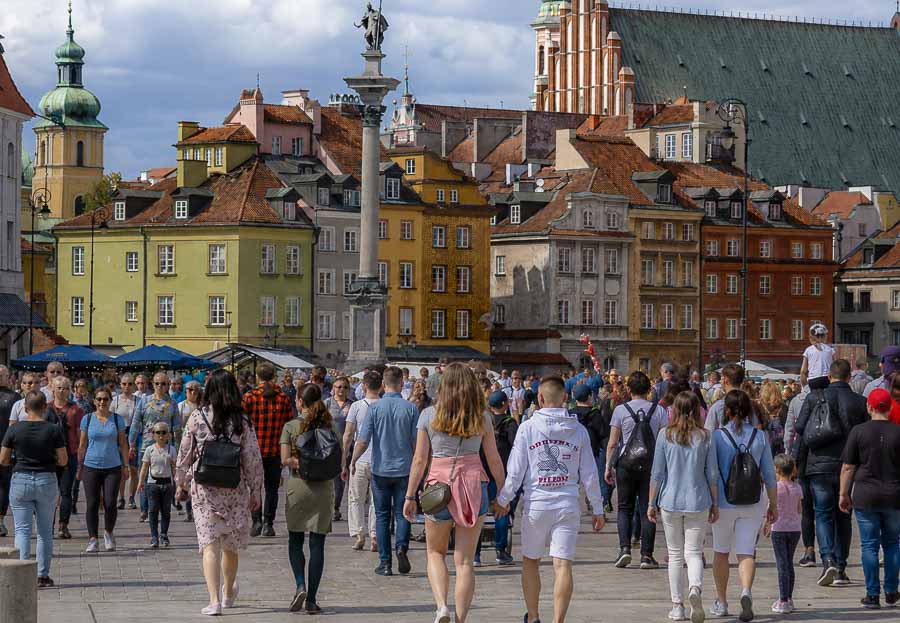
What about us, the travelers who did everything right? For months we researched the place, read its history, even learned a few phrases in the local language. The place itself captivated us, so we came. And then we arrived, only to find we couldn’t even move, or hear ourselves talk. The landmark we crossed the world to see? We couldn’t get near it, because hundreds of people who couldn’t even name it were standing in front of it taking selfies.
So we lose too. The locals lose their home, and we, the independent travelers, lose the very thing we came to find. And the maddening part? Neither of us – not the locals, not us – caused this. We are just victims of overtourism.
What Overtourism Looks Like Up Close
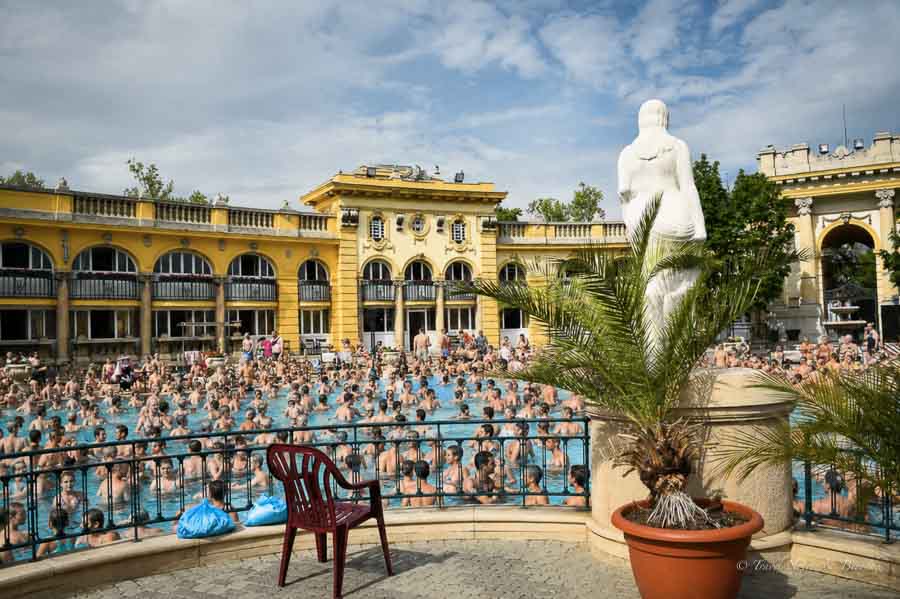
Honestly, it keeps getting worse. Twenty years ago, Budapest was an undiscovered jewel, as charming as Paris but without the crowds and at a fraction of the price. I loved it so much that I talked my husband, who is Hungarian, into buying an apartment there, so we could come back every year.
Then, over the past ten years, we watched Budapest turn into a kind of circus, the same as Paris. Street vendors, pickpockets working the tourist areas, prices that climbed and climbed. Now you can’t even visit the Parliament building anymore, except by appointment. As for the famous thermal baths, you can forget them. They look like a tin of sardines, no matter what season or day of the week you go.
Then there was last summer in Verona, when we went to see Juliet’s house and her balcony. Forget that we stood in line for an hour in the heat just to get into the courtyard, but getting inside the house itself was simply impossible. I wanted at the very least to take a photo of the balcony, or of Juliet’s statue in the yard. But that was out of the question as well. The balcony stayed packed with people the whole time, and the statue was being hugged or touched by a line of tourists taking selfies with it.
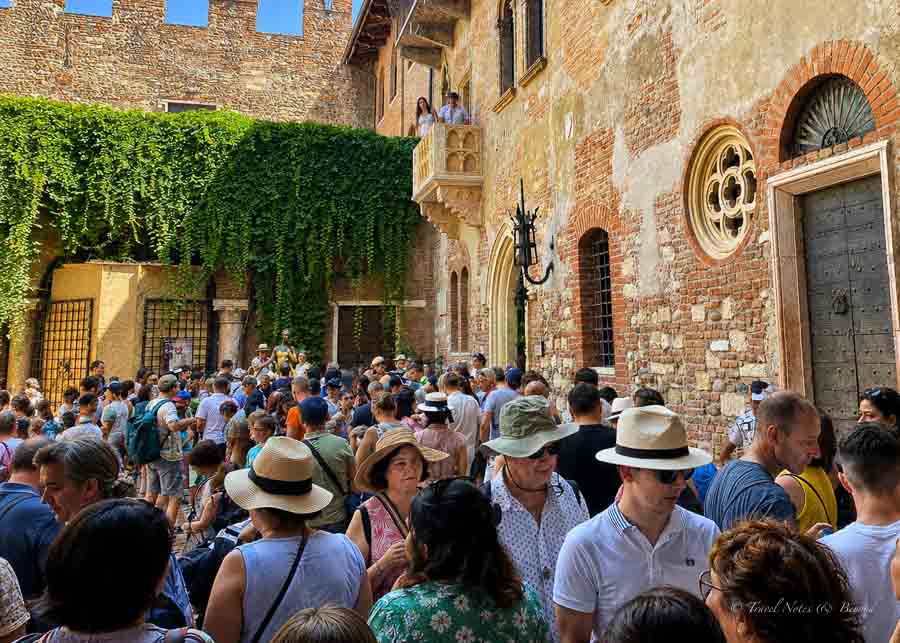
For me, as a travel writer, not being able to photograph an important place I came to see is especially frustrating. Without the photo, I have nothing to show my readers.
What Big Crowds Leave Behind
And here is the real problem with overtourism. It does not just bring more people, it brings the wrong kind of people. When travelers actually appreciate what they are looking at, they show respect. Respect for the locals, for the place, and for the other people standing beside them.
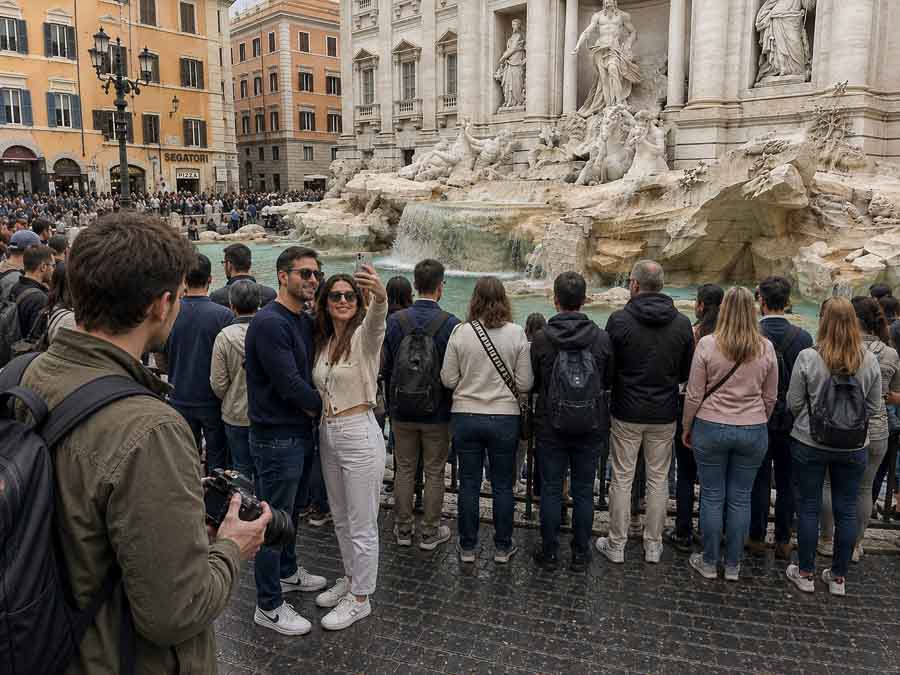
What I saw in Rome the last time we visited, and honestly almost everywhere now, is the opposite. People who do not care about any of it. If someone finds the best spot for a photo, they plant themselves there and will not move, no matter how many others are waiting their turn. The place stops being something to experience and becomes a backdrop for selfies.
And it’s not only the experience that suffers. Mass tourism wears these places down until they have to be roped off for good. At Chichén Itzá for instance, you could once climb the great Pyramid of Kukulkán. We did, decades ago, and it was a wonderful experience I’ll never forget. But not anymore. Today you can only see it from behind a rope, looking up from the ground. Tulum is the same, you can only watch the ruins there from behind a barrier.
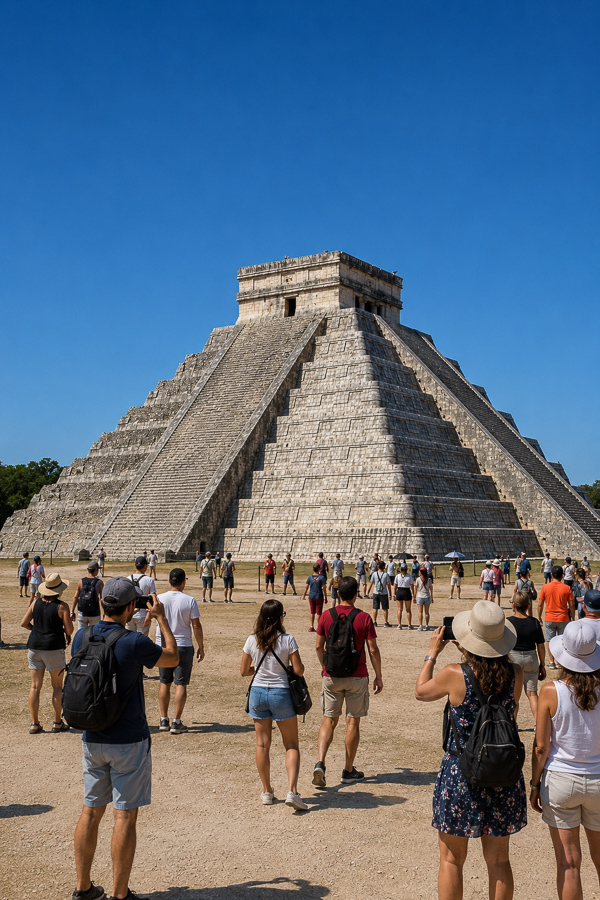
And it is not only Mexico. Even Lascaux, the prehistoric painted cave in France, had to close its doors to the public. Today you can only see a replica of the cave. That is what we are doing. We are loving these places to death, one rope, one closure at a time.
It has gotten so bad that cities now fight back. Venice, drowning in day-trippers, started charging visitors a fee just to set foot in the old city on its busiest days, a price of admission to a living city, as if it were a museum.
The Crowds I Helped Create
But if I am honest, I have to point the finger back at me too. I am a travel writer. My whole job is to make people fall in love with a place, to describe a city so well that they go book the flight. Every article I have written was, in its own small way, an invitation, one more push toward the mass tourism I now complain about. Come see this. Come here too. So who am I to complain about the crowds? I am one of the people who sent them.

And I cannot pretend I did not know. I have watched the places I wrote about fill up, year after year, and I kept writing. I told myself I was sharing something beautiful. Maybe I was. But sharing a place with the world is also how you lose it. The more I love a place out loud, the faster the crowds arrive to love it the same way.
What Is There to Do?
For years, writers have been preaching ecotourism and sustainable travel, telling people how to travel the right way. I am not a fan. I do not like being told what to do, and I don’t think my readers are fools who need a lecture on common sense.
Here is the truth. People are not going to stop traveling. The masses just discovered the joy of it, and they are not ready to give it up simply because we believe the beautiful destinations are overwhelmed. So blaming the tourist is a waste of breath.
The real problem with mass tourism sits higher up. It is the tourist boards and the local governments who decide how many cruise ships and tour buses to let in each day. Even a city as large as Barcelona cannot breathe when three or four ships unload at once. The people filling their pockets know exactly what they are doing. You know who they are.
As for me and my husband, we do what we can. We travel in the off-season, wake up early in the morning to visit the places of interest, and choose the destinations not too many people write about yet. But to be honest, it is only half an answer. Sooner or later the buses and the ships find every beautiful place. And then there is nowhere left to hide.
YOU MAY ALSO LIKE:
 Romania vs Hungary: Which Country Treats Tourists Better?





LTE
This is an excellent essay; strong points and well written.
What I find missing is any mention of the contribution of overtourism to climate change. In my view, overtourism is a factor not only at the local scale but also at the cumulative global scale of tourism – a rapidly growing volume.
This is a matter that goes beyond numbers of travelers to encompass distance traveled and by what means — both individually and collectively.
The travel discussed in the essay is entirely discretionary. It is nice to do, and fun; but it is not necessary. The climate impacts of present scale of travel, globally, can no longer be ignored. The impacts are now severe and commonplace, and rapidly worsening.
Reductions from travel’s climate impacts will be marginal, apart from reducing the amount of it in terms of collective distance traveled. In terms of the economy (~10% of it worldwide) travel is an industry that in one sense is too big to fail. Yet it is a major contributor to adverse climate change — and the climate cannot be allowed to fail us either (which it is dong now, more and more).
So it is time to start talking about and planning for how scale back this industry rapidly, with as much grace as can be included.
Many people live to travel, but many others depend on a safe climate in order to live well or to live at all. Many investments have been made, but having been made through incautious business decisions some portion of them will become stranded assets. It is, unfortunately, the age we now are in.
Anda
Sadly, that’s very true.
Michael Martaus
Dear Anda – What can you (and your husband) tell me about Budapest, Hungary and Hungarians post-Orban government? Thank you – and thank you for your thoughtful writing – very much appreciated.
Michael
Anda
Hi Michael, we don’t live in Hungary, so I can’t share any personal experiences. However, we recently visited Budapest and from all I hear, Hungarians seem to be very hopeful about their new leader. Their main complain about the former government was corruption. Whether that’s justified or not, I don’t know. But from what we saw, Orban seemed to have been a good leader for Hungary, who fought to keep his country afloat and illegal immigration at bay. Whether corruption will now cease to exist, it remains to be seen, but from my experience you just change one form for another. As the saying goes: “A change of masters is the joy of fools”
Bertil Håkansson
Nice piece — raises good points. Do you think practical solutions should focus more on changing tourist behavior (education, incentives) or on regulating the industry (limits, pricing, tour caps)? Also curious if you’ve seen any places that balanced visitors and local life well.
Anda
We definitely need more regulations on mass tourism. At least in small ports or places that have been overrun by tourists.
Linda
Yes, I hear what you are saying. I climbed up the pyramid at Chichen Itza and climbed down inside as well . I slept on the beach at Cancun and there was not one single hotel there.
I took one cruise 40 years ago and I have never taken a bus tour.
I travel in off season so crowds have never been a huge problem.
But a couple of years ago in Lisbon, the locals all said they were being priced out of housing because of Airbnbs.
In Victoria our rental market became very expensive because owners made a LOT more money renting to tourists.
So now Airbnbs are only available for rentals over 3 months.
Condos were sold, more units came up for rent, and rental prices are slowly coming down.
I hope more governments will do the same.
Anda
What the governments will do is put more barriers for tourists, but not stop the overflow. In the future we’ll probably get to visit the popular cities only from the bus, lol!
Tanja
So true. I don’t really see the solution because so many places became too dependant on tourism so less tourists would mean weaker economy
Anda
Sadly, that’s very true.
Cindy Carlsson
You perfectly articulated everything I’ve thought, but never put completely together or could explain. Especially when it comes to tourism boards and such, I just don’t understand how they can justify the harm they do to so many in order to financially benefit so few. And then there’s the conflicting feelings about writing about travel. . . I’ll be sharing this repeatedly. Thanks for such a great response. Submit this for a travel writing award.
Anda
Hahaha, you are too kind, Cindy. But sadly, we travel bloggers, contributed in part to this situation.
Lola Kampf
You are spot on. Every last detail. I am 74 years old and have spent my life spending every last available cent traveling the world to better understand it and the people who inhabit it. I dragged my husband and 2 than young children into every jungle, forest, cave, river and desert on every continent to see, feel and connect with the gorgeous bugs, birds, reptiles and humans. At home, I researched the next adventure. I studied guides, read library books, and daydreamed. Oh did I daydream. I know I will be on my deathbed wondering why ladybugs look so different every place I’ve been.
Anda
I hear you, Lola. We did the same as you because our generation didn’t grow up with the internet, so we had to go to libraries, read books, and spend a lot of time researching destinations. Nowadays, everything is served on a platter.
Jane
Great article, Anda! I am of the same thoughts! Not sure how it can be fixed!
Anda
Thank you, Jane. Sadly, I don’t believe it can be fixed either.