
Two weeks in Indonesia sounds like plenty of time until you look at a map. The country stretches across three time zones and more than 17,000 islands. It’s tempting to try for all of it, but that’s impossible. So for our 2 week itinerary we did just the opposite: we picked three of most famous islands in Indonesia, connected them with one boat ride, and ended up with a trip that felt full instead of hectic.
About This Itinerary
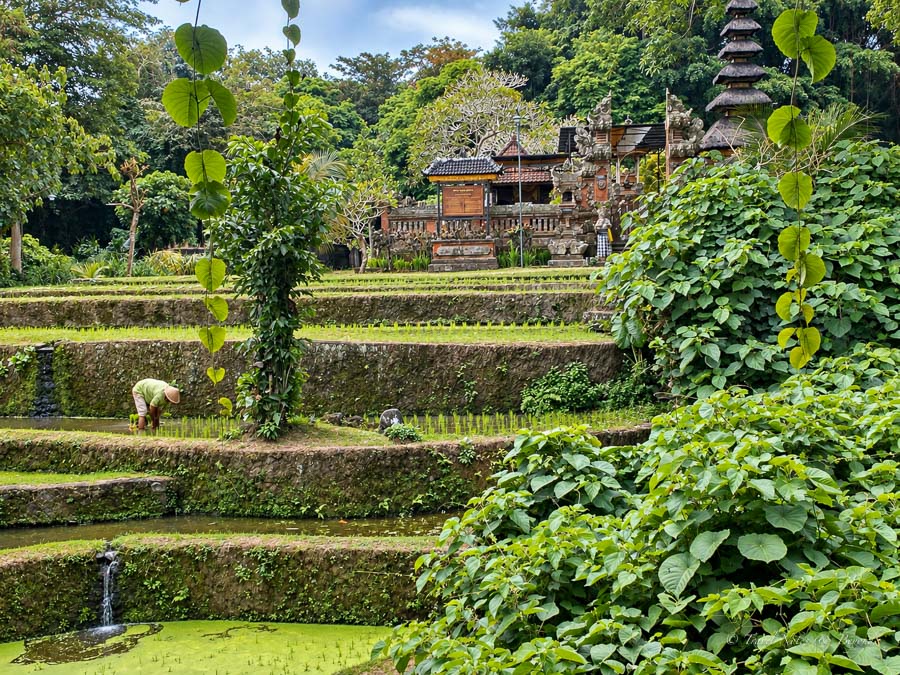
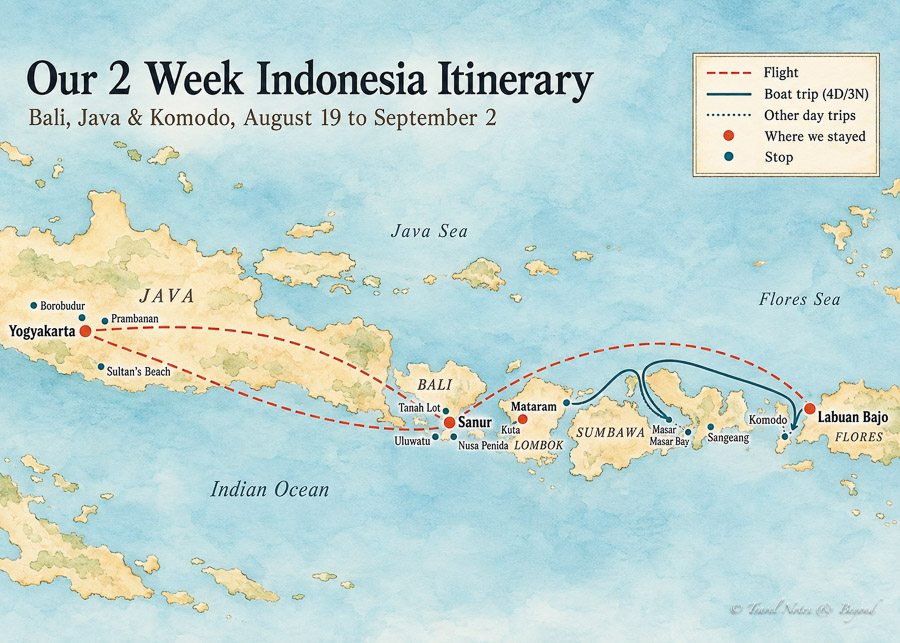
This two-week itinerary covers three main islands of Indonesia (Bali, Java, and Komodo) and some other small ones along the way. We started in Bali, moved to Java by plane for the famous temples of Prambanan and Borobudur, then on to Lombok, again by plane. From Lombok we sailed four days to Labuan Bajo, stopping at Kenawa off Sumbawa, then Komodo, Padar and Kelor inside the national park. From Labuan Bajo we flew back to Bali for a few final days, ending with a day trip to Nusa Penida.
Everything here is what we actually did, with real drive times, prices, and the departure times that made a difference. Bali traffic ruins more itineraries than bad weather does, so where timing mattered, I’ve said when to leave and why. If you are planning your first trip to Indonesia, this 2 week itinerary should save a lot of research time.
Itinerary At a Glance
| Dates | Nights | Base | Where we stayed | Getting there |
|---|---|---|---|---|
| Aug 19–22 | 3 | Sanur, Bali | Sumitra Luxury Villas | Land in Denpasar, private transfer to the hotel |
| Aug 22–26 | 4 | Yogyakarta, Java | Melia Purosani | Fly from Denpasar to Yogyakarta |
| Aug 26–27 | 1 | Mataram, Lombok | Golden Palace Hotel | Fly from Yogyakarta to Lombok |
| Aug 27–30 | 3 | On board | Alfathran 3 phinisi | Sail 4D/3N from Lombok to Labuan Bajo |
| Aug 30–Sept 3 | 4 | Sanur, Bali | Sumitra Luxury Villas | Fly from Labuan Bajo to Denpasar |
Best Time to Visit Indonesia
While Europe and other parts of the world are scorching in August, Indonesia is right in the middle of its dry season. Bali, Java, Lombok and Komodo all share the same weather pattern, so that is part of why we picked these dates.
The dry season in Indonesia runs technically from roughly April to October, and the wet season from November to March. That matters more on this route than on most, because a four-day sailing trip depends on the weather, and Komodo boats only operate between April and November.
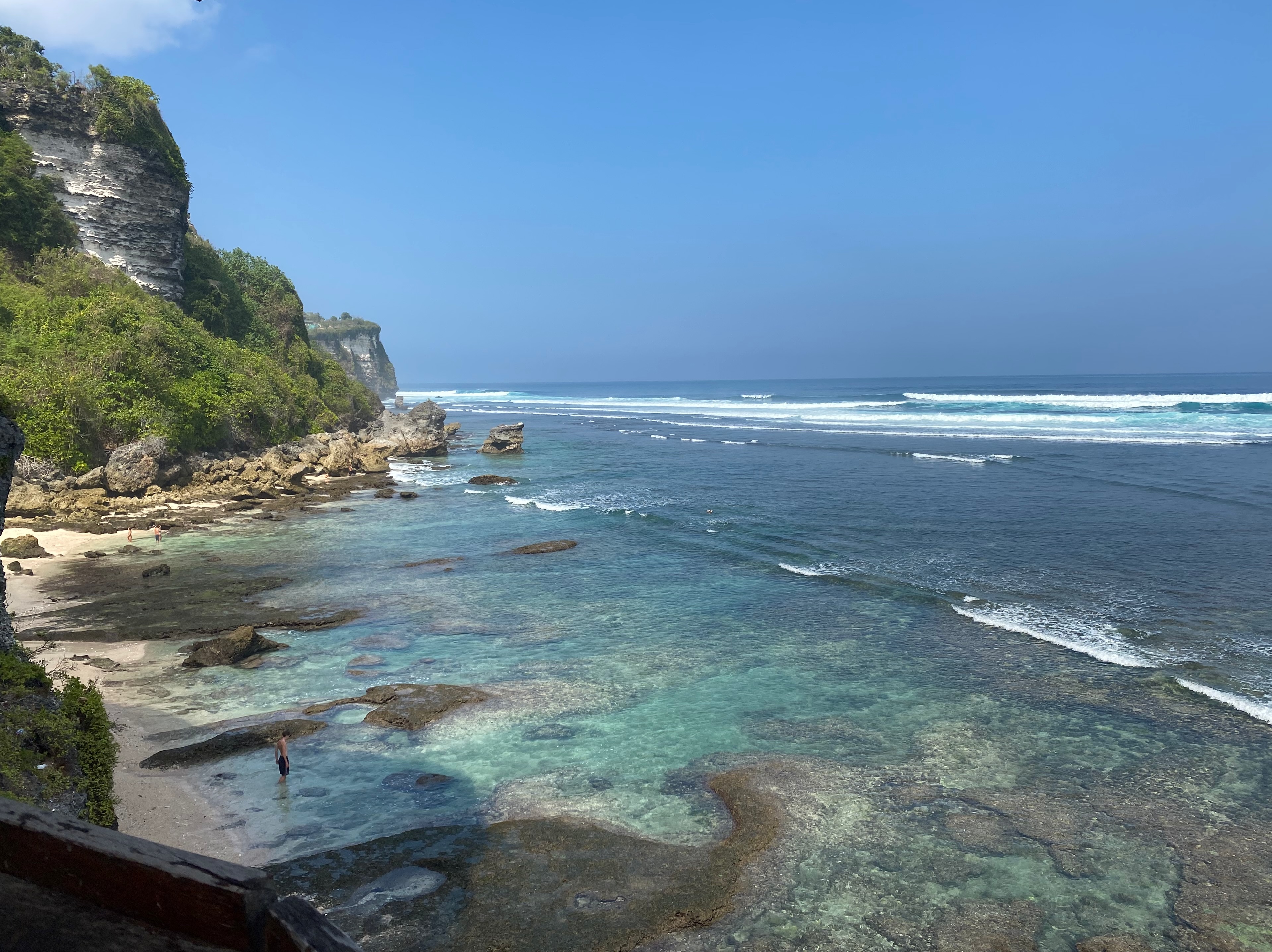
August is the driest month of the year across all three islands, which was ideal for our itinerary. The southeast trade winds are up at that time, but they mostly affect open water. Inside Komodo National Park the north and center stay calm, and that is where the boat stops.
In terms of wildlife, timing matters just as much. Whale sharks are in Saleh Bay all year, but from April to November is the most dependable stretch to see them. Manta rays are at Manta Point most of the year too, with roughly the same window.
The real trade-off in August is not the weather, it’s crowds and prices, which are both at their peak in Bali and Java. If your dates are flexible, September gives you nearly the same conditions with fewer people. We did not have that option, and I would still take these dates again.
A Day-by-Day Itinerary for 2 Weeks in Indonesia
Here is our 2 week Indonesia itinerary day by day, with the real departure times and the hours we spent in each place.
Arrival in Bali and Settling into Sanur
We landed at Denpasar late in the evening and were checked into Sumitra Luxury Villas in Sanur within the hour. That was faster than most people manage, and it was not luck.
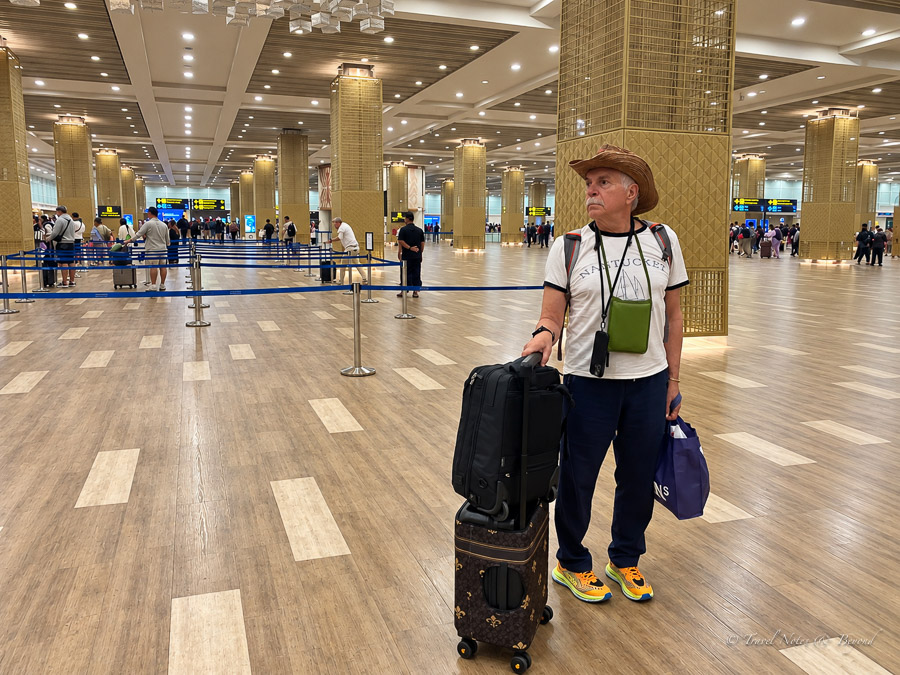
Two decisions made the difference. We applied for the e-VOA online before leaving home, so we walked straight to the automated gates instead of joining the visa queue at the airport. The e-VOA costs IDR 500,000, about $35, and covers a 30-day stay. We also traveled with hand luggage only, so we skipped baggage claim entirely.
Those are the two longest lines at Ngurah Rai airport in Bali. My advice is to sort the visa before you fly and pack light. This way you can be out of the terminal in twenty minutes. We also booked the transfer in advance, so the driver was waiting.
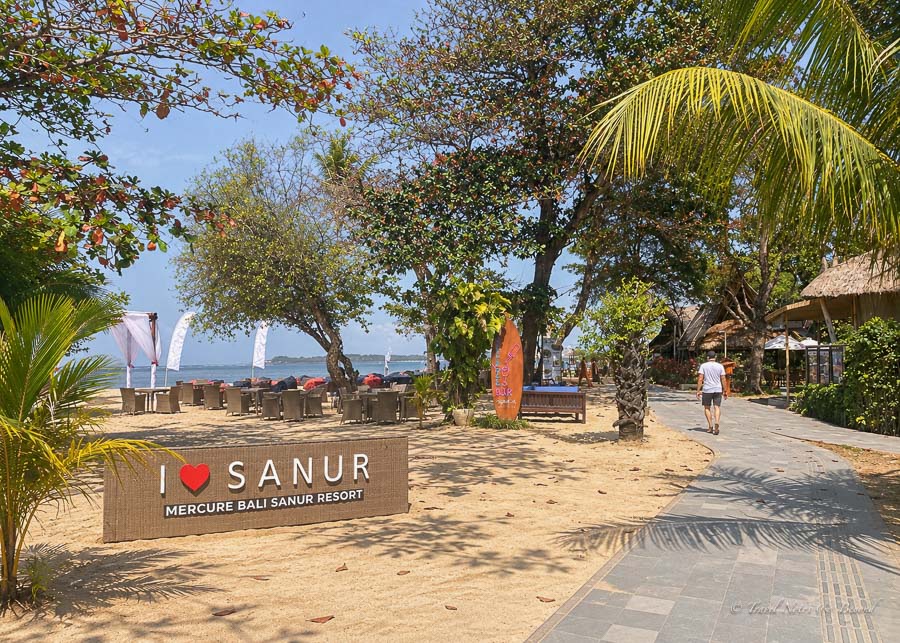
Sanur is worth explaining, because most first-timers default to Ubud, Seminyak or Canggu. We chose to stay here for three reasons. It sits on the quiet east coast with calm water and a long beachfront path. It is about 30 minutes from the airport, which matters on arrival and departure days. And the fast boats to Nusa Penida leave from here, which saved us a transfer at the end of the trip.
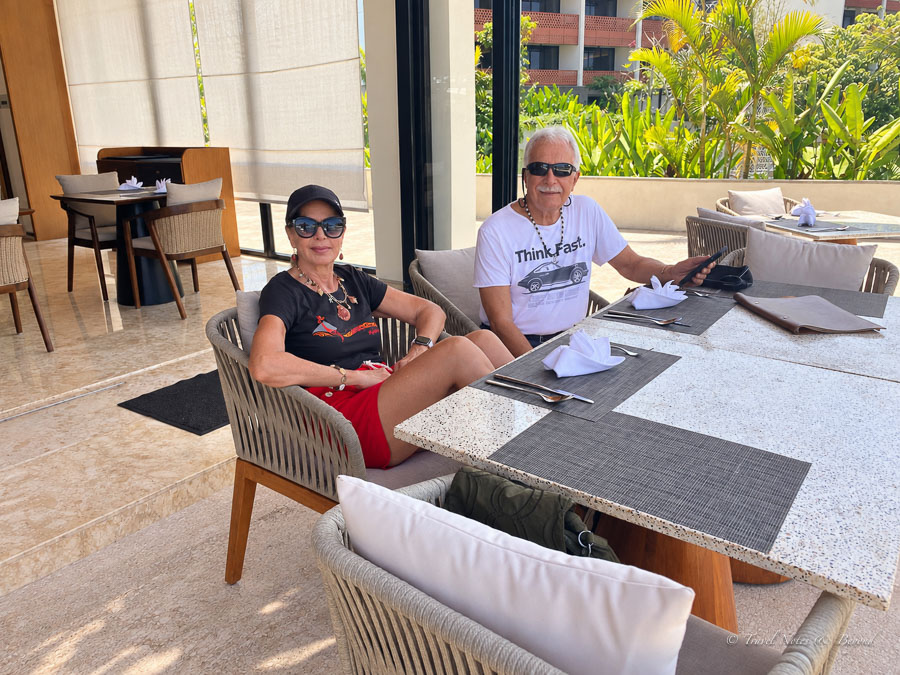
Nothing else happened that evening, and that was the point. If your flight lands late in the day, do not plan anything.
Day 1: Taman Ayun, Sunset at Tanah Lot and Pura Batu Bolong
We started our 2 week itinerary in Indonesia slowly, with a whole morning by the pool. After a 16-hour flight, it was exactly what we needed. We met our driver at 12:15 and headed north to Mengwi. It is only about 20 km from Sanur, but Bali distances mean nothing. It is traffic, not distance, that decides how long a drive takes, and 20 km can easily turn into an hour behind a line of scooters and trucks.
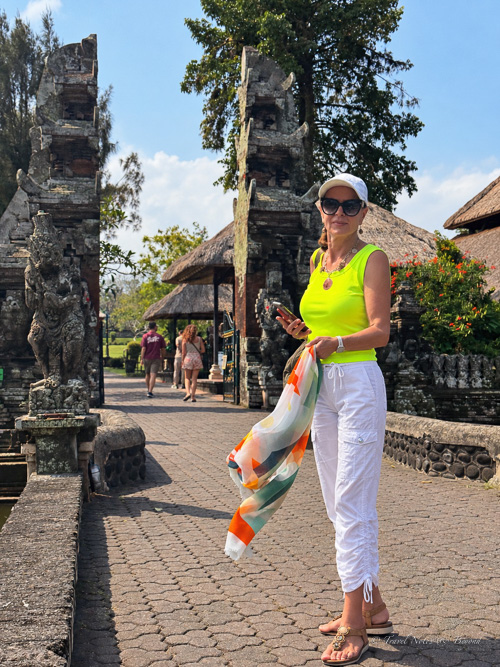
The afternoon was built around two temples: Pura Taman Ayun and then Tanah Lot for sunset. Pairing them worked well because they are only 40 minutes apart on the same road.
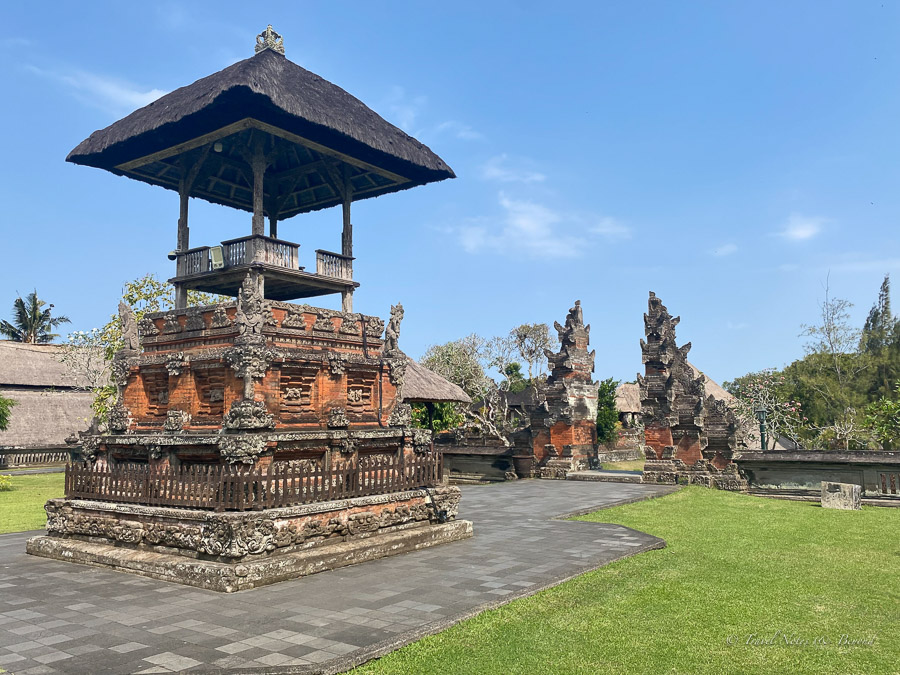
Pura Taman Ayun
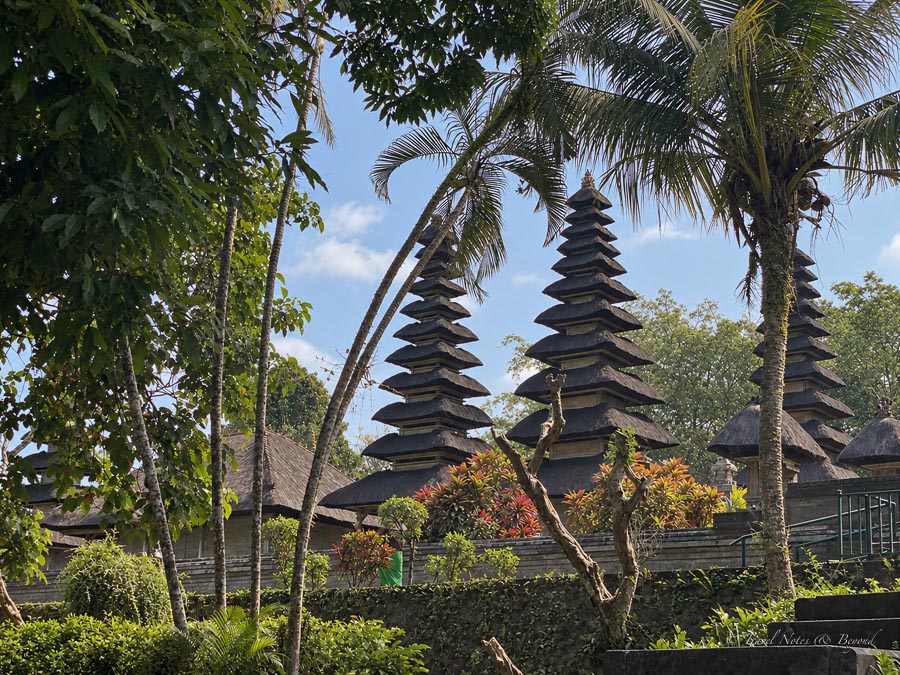
Pura Taman Ayun is a royal temple surrounded by a moat, which makes it look like it is floating. It is a UNESCO site and part of Bali’s subak irrigation system, but the reason to come is how calm it is. You walk the perimeter of the water garden and look at the rows of tiered meru towers. You cannot enter the inner courtyard, and honestly you do not need to, so an hour is enough at this temple. Entry is IDR 50,000 and it is open from 08:00 to 18:00.
Tanah Lot
From Pura Taman Ayun it’s about a 40-minute drive to Tanah Lot. This is the sea temple on the rock that appears on every postcard of Bali. It is a busy place, but it’s worth seeing nonetheless. Entry is IDR 75,000 and the site is open from 07:00 to 19:00.
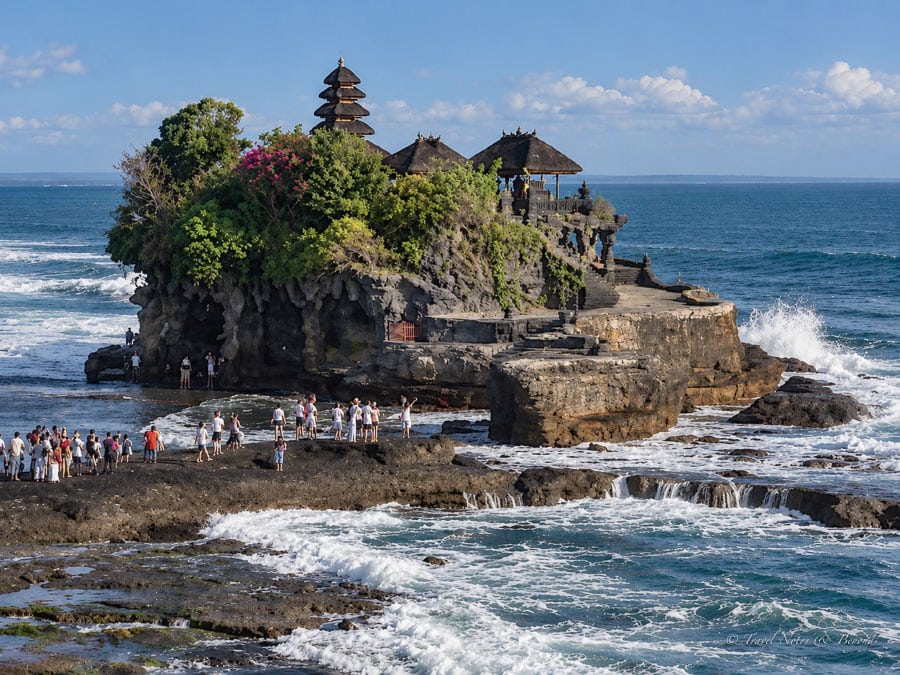
A few things worth mentioning before you go. Non-Hindu visitors can’t go inside the temple itself. The only thing you can do is walk to the base of the rock at low tide, where Hindu priests give a blessing with water from the Tirta Pabersihan spring.
At high tide the sea cuts the rock off completely, so the tide decides how close you can get. My suggestion is to check the tide chart before you go. The sunset crowd builds from about an hour before, and the best viewpoints along the cliff path fill up first. Arriving by 16:30 gave us enough time to walk the whole site before choosing a spot.
Pura Batu Bolong
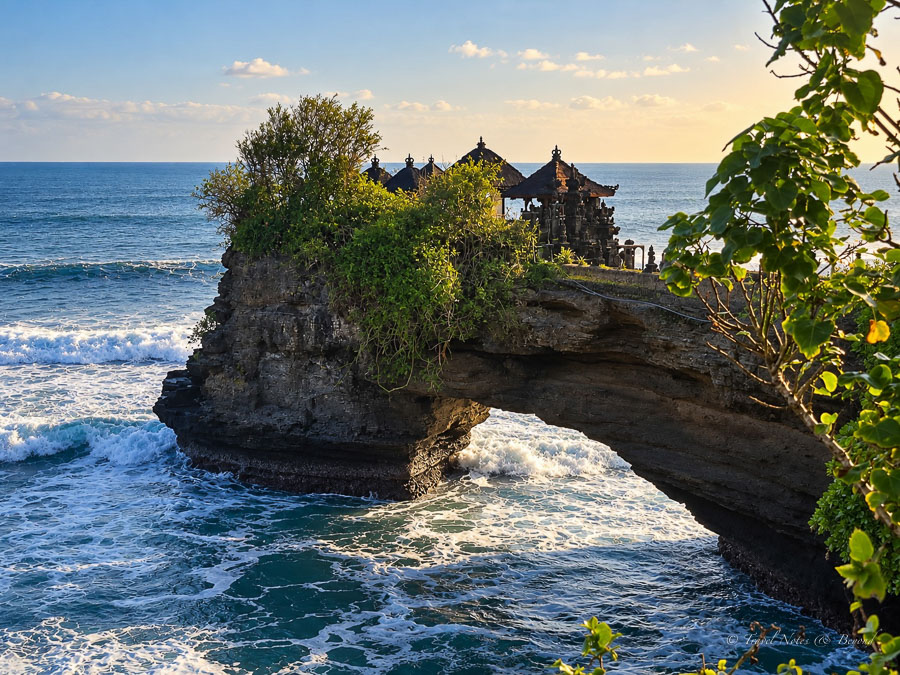
Also on the same site, just a short walk south along the cliff, the path brings you to Pura Batu Bolong. This is a smaller temple sitting on an outcrop with a natural arch beneath it. You can walk out onto this one, and it is included in the same ticket. It is also where we ended up watching the sunset, since the crowd thins out considerably once you leave the main viewpoint.
Day 2: Uluwatu Beaches, Garuda Wisnu Park, and Uluwatu Temple
This was the longest day on our 2 week Indonesia itinerary, and all of it happened on the Bukit peninsula at Bali’s southern tip. From Sanur it’s about an hour and a half each way, so we met our driver at 7:00 am and headed straight to the Padang Padang beach.
Padang Padang and Suluban Beach
Padang Padang is a small cove that was made famous by “Eat Pray Love,” a 2010 film starring Julia Roberts. In order to reach it you’ll have to go through a narrow crevice in the rock and down a steep flight of stairs. The path itself is half of the appeal. Entry for the cove is IDR 15,000 and it is cash only, with a small parking fee on top. Watch your belongings! The monkeys at the entrance are professional thieves.
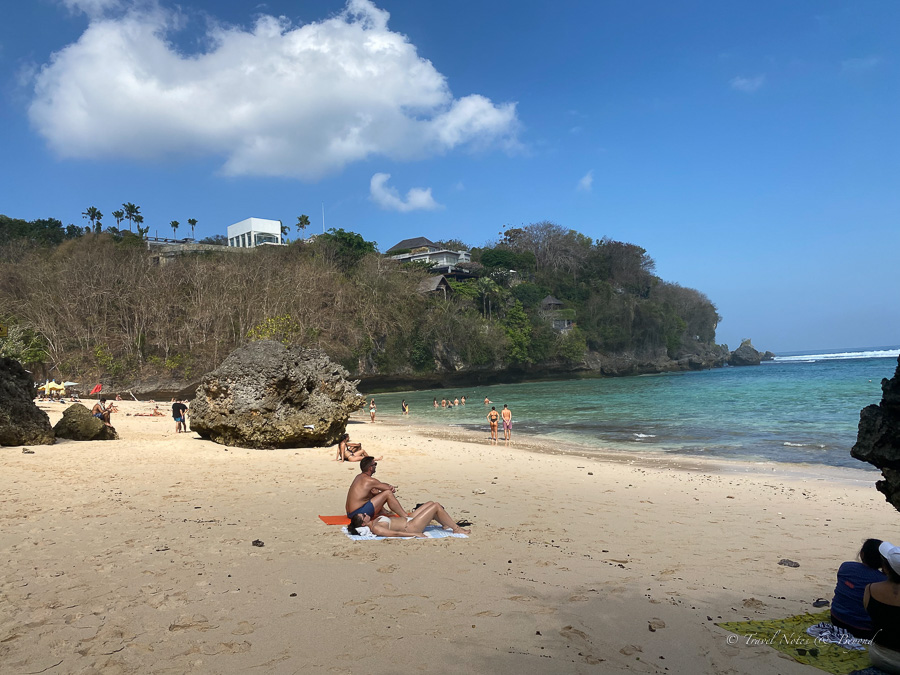
The cove is relatively small and it gets pretty crowded by 9:00 am, but if you go a little farther to the right, the beach opens up beautifully. Keep in mind that it also shrinks a lot at high tide, so check a tide chart for your dates.
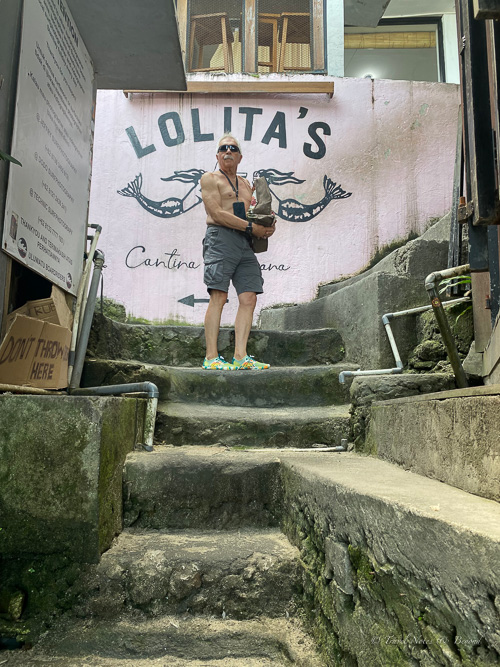
Suluban beach, also called Blue Point, is a few minutes further along the coast and completely different. There is actually no road access to it, just stairs down from the clifftop. Getting down feels like walking through somebody’s backyard, past small mom-and-pop eateries and hanging laundry, until the stairs open into some limestone caves and then reach the sand.
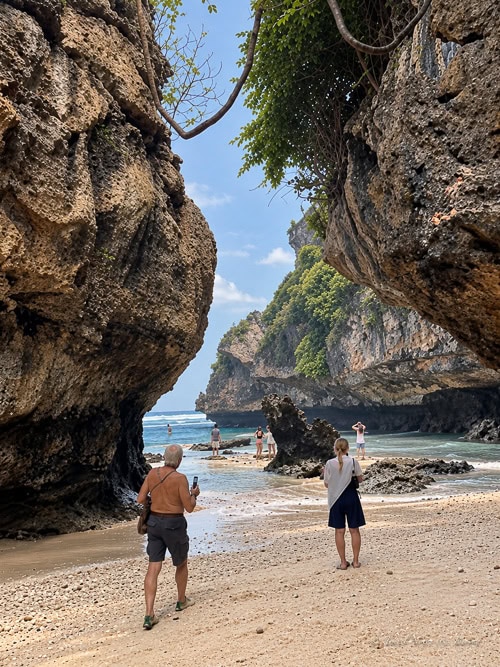
This is also important to visit at low tide. At high tide the passage is dangerous and there is barely any beach left, so check the tide chart before planning a trip here.
Garuda Wisnu Kencana
Garuda Wisnu Kencana is a cultural park built around a 121-meter statue of Vishnu riding Garuda. It took nearly thirty years to finish it, and it’s the tallest statue of a Hindu deity anywhere in the world.
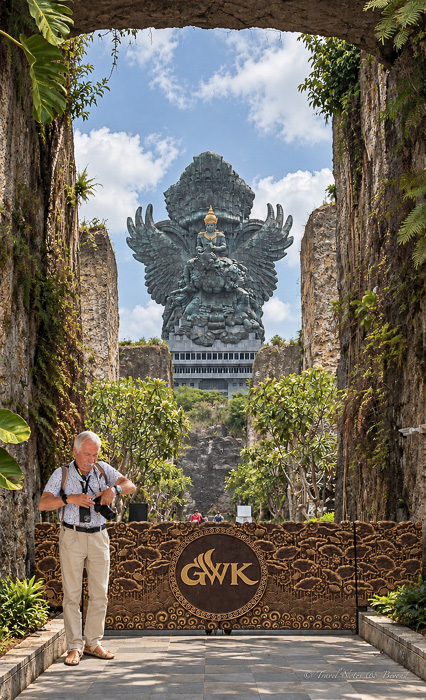
Scattered around the park you’ll also find the earlier pieces that were completed while the project stalled for funding: an enormous Vishnu bust, a separate Garuda head, and a pair of Garuda hands, each displayed on its own plaza. The park is open from 08:00 to 22:00. Admission price is IDR 150,000 (roughly $9) for adults, and children are free.
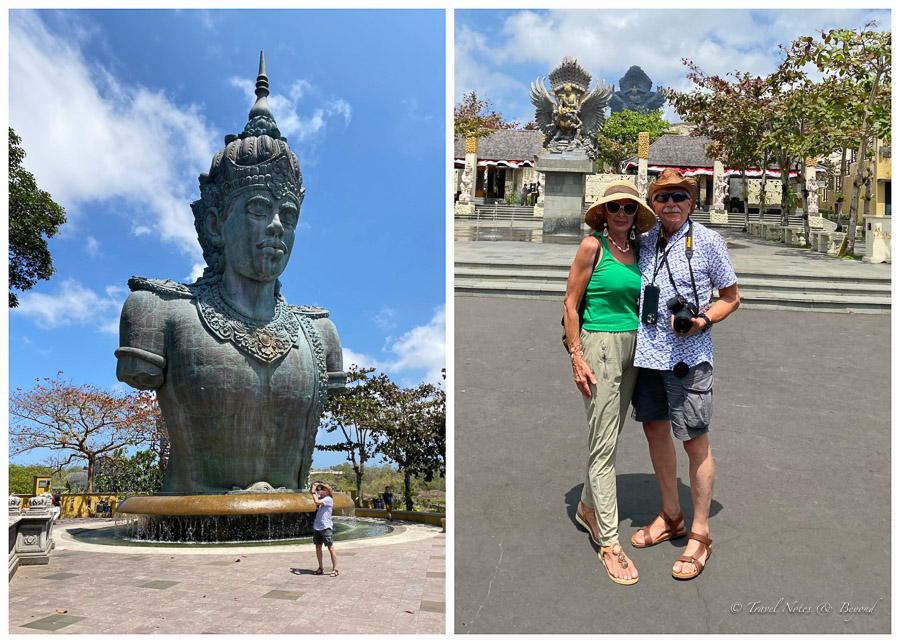
We arrived at the park around noon, when it was pretty hot, so we hired an air-conditioned golf buggy. I recommend it without hesitation, because the park is huge, the paths are uphill, and there is almost no shade anywhere. The buggy costs extra on top of your entry ticket, but it’s totally worth it.
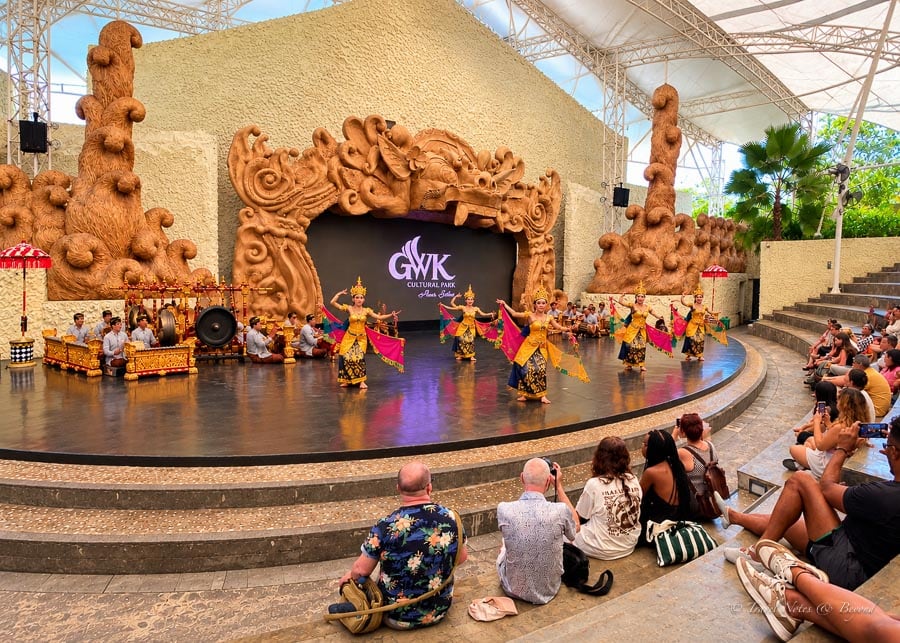
Also, before you leave, remember to watch the Balinese cultural dance performance at the Amphitheater, accompanied by a live gamelan ensemble. The show takes place every hour, between 11:00 am and 3:00 pm.
Pura Luhur Uluwatu
Uluwatu Temple sits on a cliff 70 meters above the sea, and the sunset here is the reason most people come. The temple is one of the six temples Balinese Hindus consider the spiritual pillars of the island.
The shrine itself is small and closed to non-Hindu visitors. So all you do here is walk along the paved cliff path which runs along the clifftop, with the ocean straight down on one side and the temple silhouetted on its outcrop. At sunset the whole cliff line turns gold, which is why the paths get so crowded.
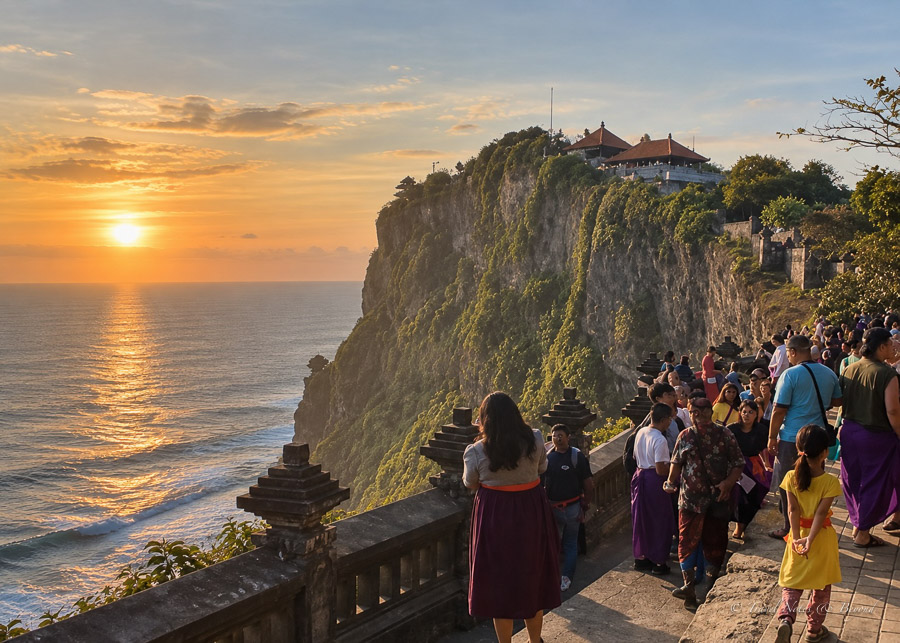
The monkeys at Uluwatu temple are a genuine problem, not a charming detail, so watch out! They snatch sunglasses, phones, hats and water bottles, and they are fast! Put everything in a zipped bag before you walk in.
There is a Kecak fire dance that runs from 18:00 to 19:00 every evening in the open-air amphitheater. The gate opens at 16:00, and tickets are IDR 150,000 on top of temple entry which is IDR 50,000 for international visitors (cash only). The temple is open from 07:00 to 19:00.
We skipped the fire dance because we had a long drive ahead of us and wanted to head back to the hotel.
Day 3: Bali to Java, Yogyakarta
This was a travel day, so we didn’t do much. We spent the morning in Sanur, walking the beachfront promenade and taking photos, then had lunch at the hotel’s restaurant. In the afternoon we took a Grab ride to Denpasar airport for our flight to Yogyakarta.
One thing to keep in mind when booking your flight to Yogyakarta is that the time zone changes. Bali is one hour ahead of Java, so a flight that looks like 50 minutes on your ticket actually takes almost two hours. In addition to that, Yogyakarta International Airport (YIA) is about 45 km from the city center. That’s roughly 1.5 hours by car, so if you book a 4 pm flight from Bali, you’ll get to your hotel around 10 pm.
We took a Grab from the airport to the hotel for IDR 250,000 (about $13), but the price depends on the car size, the time of day, and demand. The airport train is cheaper (IDR 20,000 to 75,000 per person) and takes about 40 minutes to Tugu station. For two people arriving in the evening, though, the wait for the next train plus a ride to the hotel made it slower and barely cheaper. Skip the Klook transfer. It quoted us $48, two to three times the going rate.
Day 4: Borobudur, Mendut Buddhist Monastery, Sonobudoyo Museum
Borobudur and Prambanan were the reason Java made it into our itinerary, and I can’t imagine 2 weeks in Indonesia without them. We started with Borobudur Temple and on day 4 we also visited Mendut Monastery and Sonobudoyo Museum.
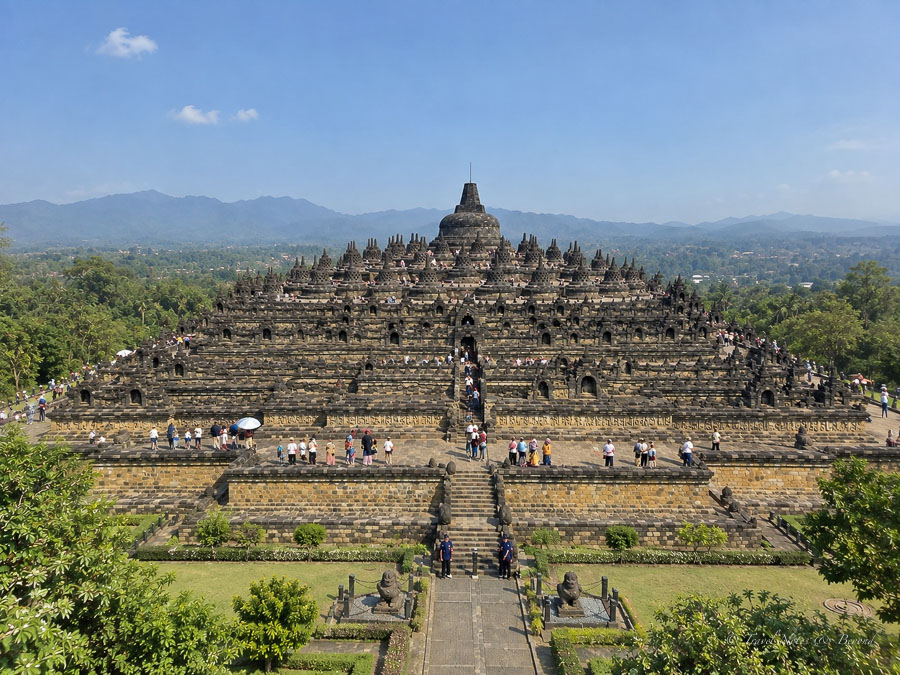
For the first part of the day we hired a car with a driver (about $35 for 6 hours) and left at 6:45 am to catch our 8:30 am tour. Climbs to the temple are limited to 1,200 visitors a day in pre-booked hourly slots, so book ahead and arrive early. The check-in, sandals and group assignment take a while.
On the way back we stopped at Candi Mendut, a small temple located only 3 km away from Borobudur. Sadly, the temple was closed for restoration until August 2027. Instead, we visited the next-door Mendut Buddhist Monastery, which was a lovely surprise and free to enter.
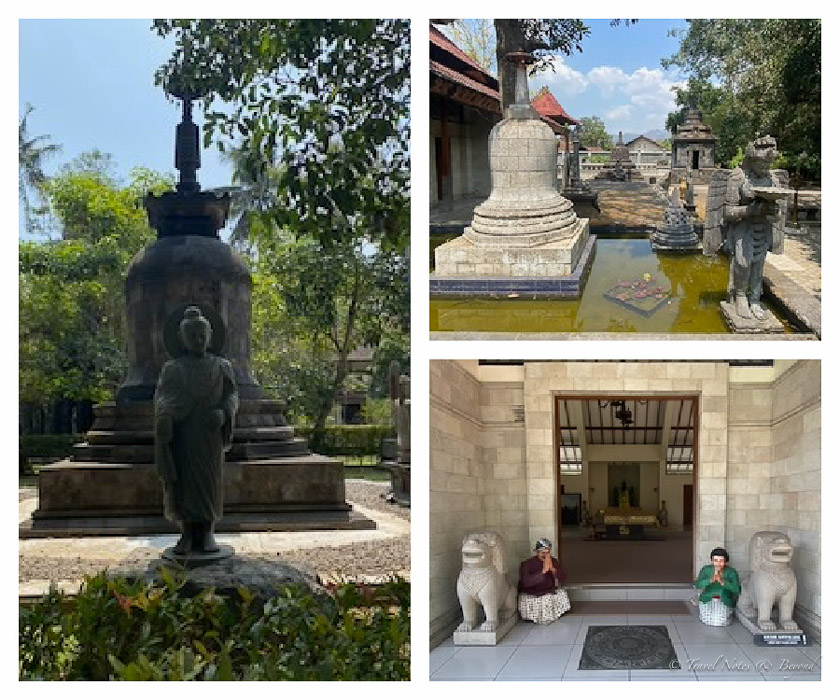
in the afternoon we took a break at the hotel through the midday heat, and relaxed at the pool. We spent the late afternoon at the Sonobudoyo Museum, a real window into Javanese culture. Next to the museum is a small theater where Sonobudoyo holds its nightly wayang kulit show.
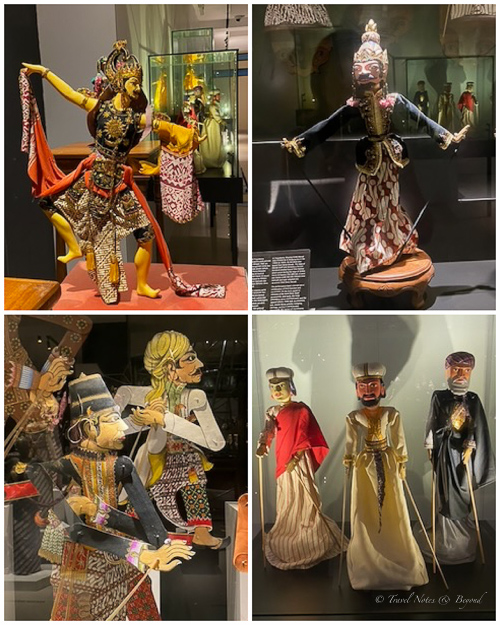
This is a traditional shadow puppet performance based on episodes from the Ramayana and Mahabharata and accompanied by a live gamelan orchestra. The show runs from 20:00 to 21:15, Monday through Saturday, and tickets are inexpensive.
Day 5: Sadranan Beach, Taman Sari and Malioboro
We started the day on Java’s south coast at Sadranan Beach, about two hours from Yogyakarta. It’s a white-sand beach with a shallow lagoon protected by coral, where you can snorkel right off the shore. Sadly, the sea was rough that morning, so the water was too cloudy to see much when we snorkeled.
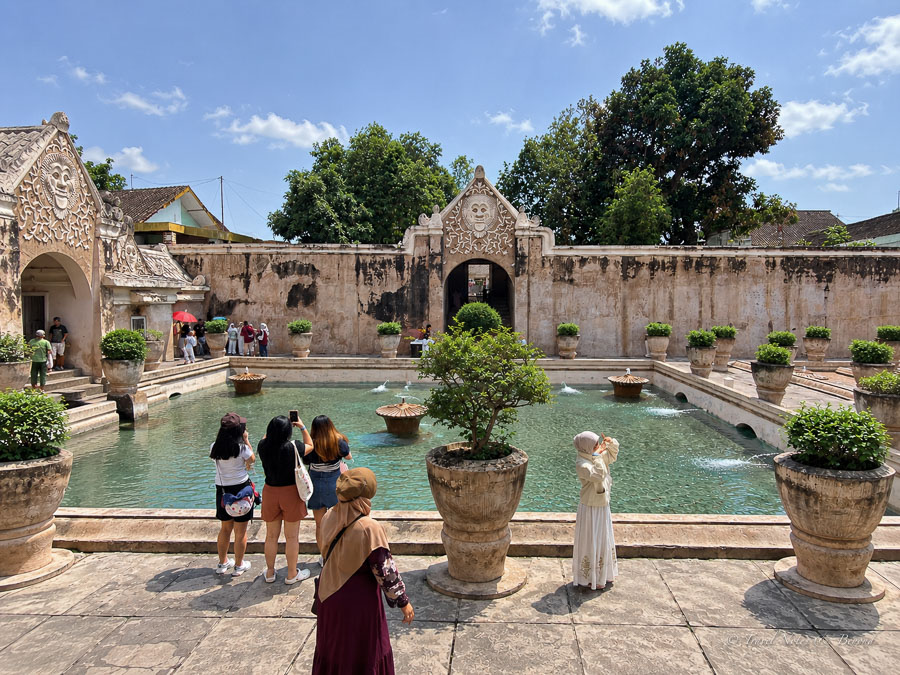
On the way back we stopped at Taman Sari, the Sultan’s former water palace, with its bathing pools and underground passages. It closes at 15:00, so leave the coast in time. Entry is IDR 25,000 for foreign adults. Taman Sari didn’t quite live up to our expectations. The bathing pools are pretty, but the complex is smaller than the photos suggest, and half an hour was more than enough to visit it.
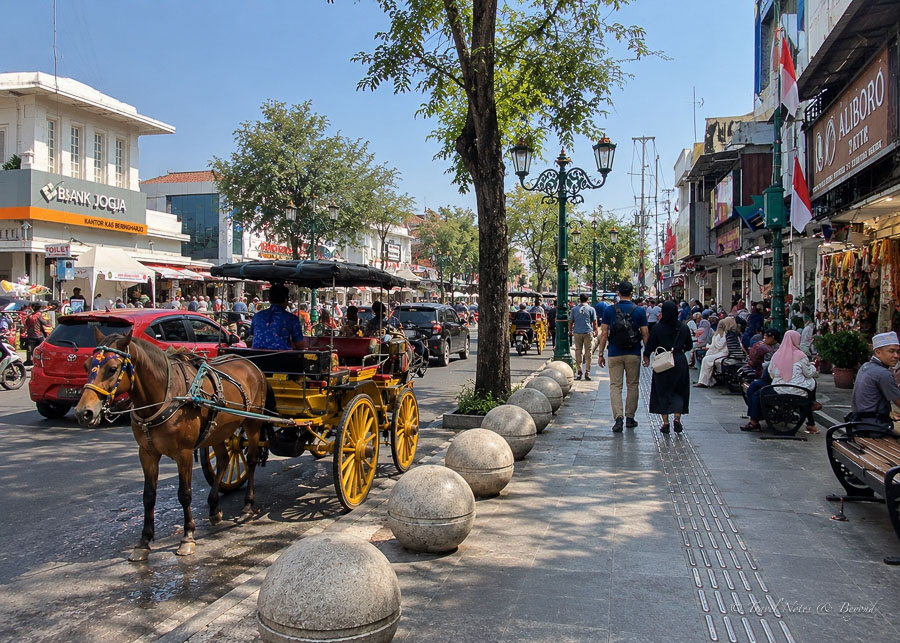
Late afternoon we walked Malioboro – Yogyakarta’s main street – which is only a few minutes from Melia Purosani, our hotel. The street is at its best after dark, when the stalls and street food take over, but it’s also very colorful and beautiful to photograph during the day. The city plans to make it fully car-free from November 2026.
Day 6: Prambanan and the Ramayana Ballet
Two weeks in Indonesia is a long time to keep going at full speed, so on day six we took a break from the itinerary. We skipped our plan to visit the Keraton, the Sultan’s palace, and spent the morning by the pool, saving our energy for a long evening at Prambanan.
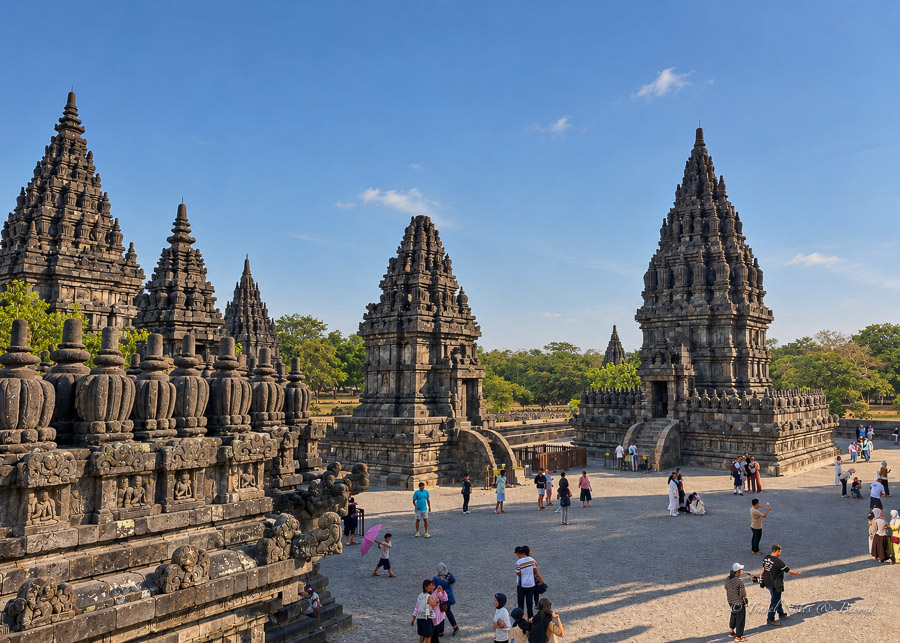
Our driver picked us up at 14:00 for Prambanan, Indonesia’s largest Hindu temple complex, about an hour away. Arriving mid-afternoon gave us almost three hours there as the heat softened.
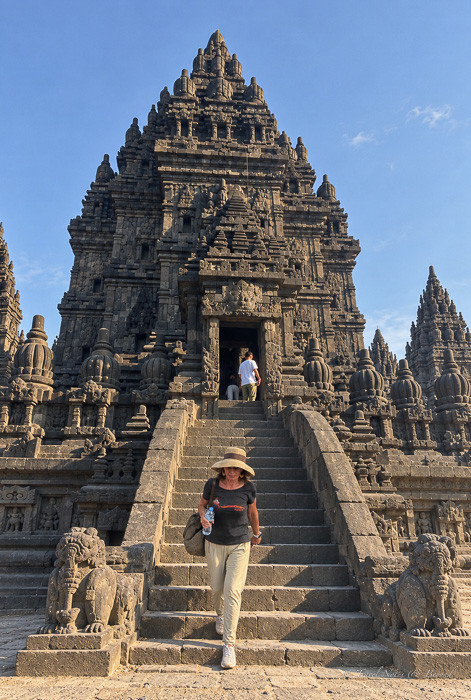
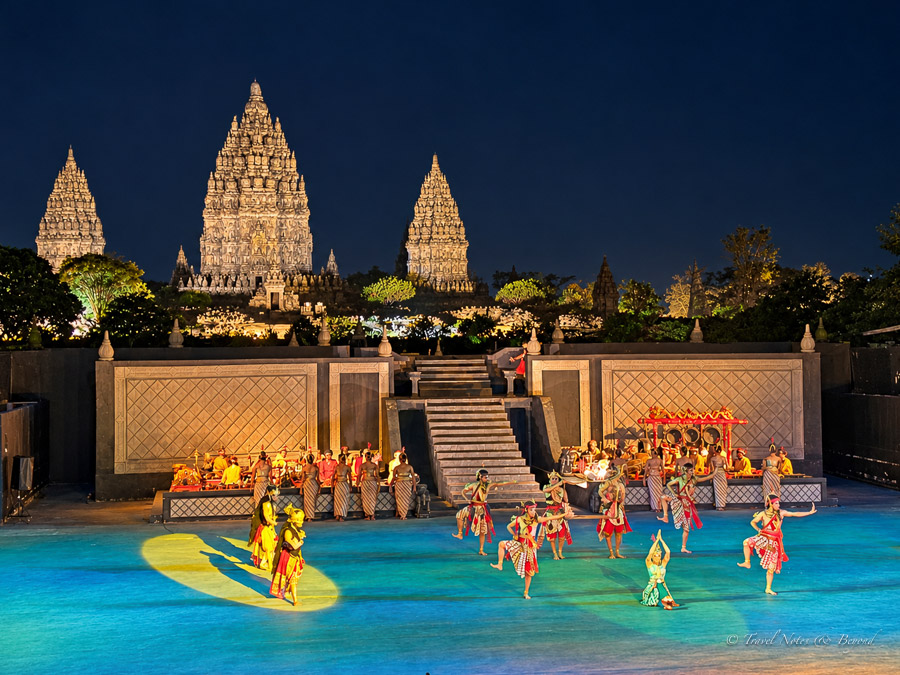
After visiting the temple, we had dinner at Rama Shinta Garden Resto, which sits between the two ballet stages with the temple in view. Then came the Ramayana Ballet on the open-air stage, with Prambanan lit up behind the dancers. From May to October the outdoor show runs Tuesdays, Thursdays and Saturdays at 19:30, so plan your Yogyakarta days around it.
Day 7: Yogyakarta to Lombok
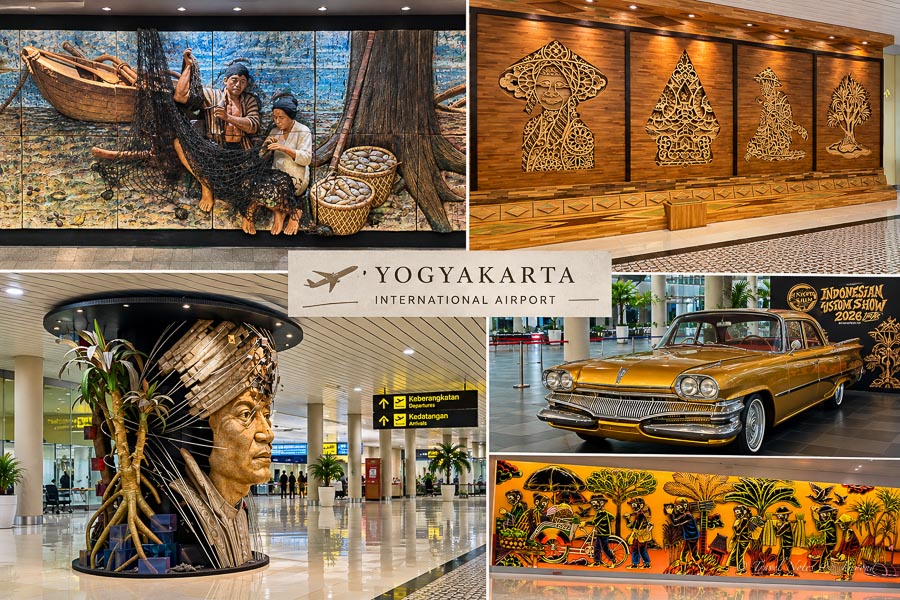
After a late breakfast at the hotel, we left for the airport. Leave some time to look around once you’re there. Yogyakarta International Airport feels more like an art museum than a terminal. The ceiling follows the kawung batik pattern, and Javanese sculptures and art installations fill the halls, including the Bedhaya Kinjeng Wesi dancer statue and a small replica of Taman Sari. It’s also spotlessly clean.
Getting out of Lombok airport at night was the most stressful moment of the trip. More on that in the planning section below.
Days 8 to 11: Lombok to Labuan Bajo by Boat
The four days on the Alfathran 3 were the heart of our 2 week Indonesia itinerary, and the part I most wanted to get right. Alfathran 3 is a phinisi, a traditional Indonesian wooden sailing ship, and it sails from Lombok to Labuan Bajo in three nights, stopping at islands that are hard to reach any other way.
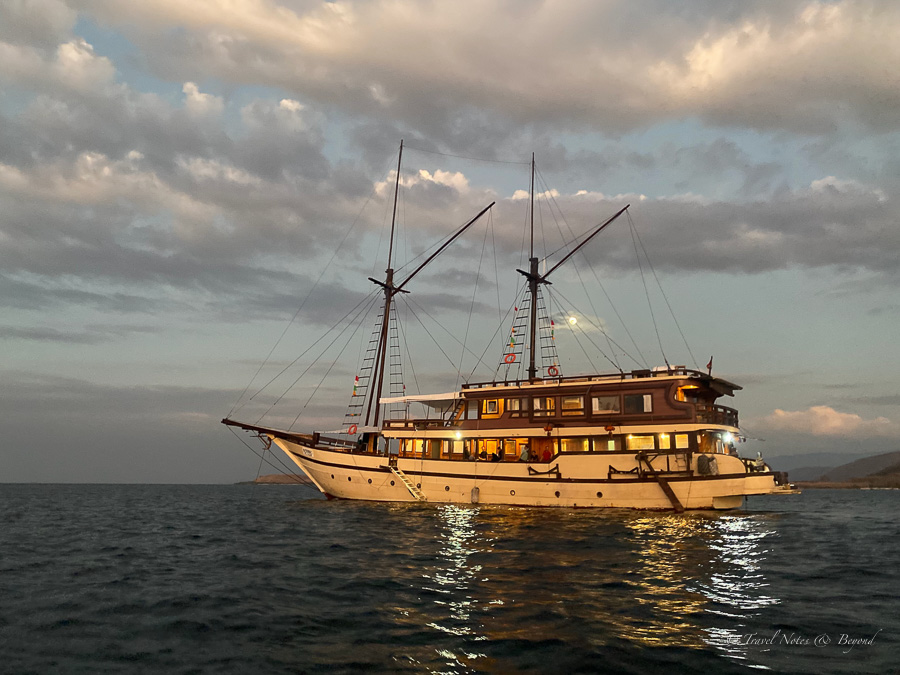
- Day 8: A morning pickup in Mataram and a bus across Lombok to Kayangan Harbor, then an afternoon sailing to Kenawa Island, off Sumbawa, for a short sunset hike.
- Day 9: An early morning in the water with the whale sharks in Saleh Bay, snorkeling at Doro Peti, then a long crossing toward Komodo National Park.
- Day 10: Manta Point, the dragons on Komodo Island, Pink Beach, and a sunset hike up Padar.
- Day 11: A last snorkel at Manjarite and Kelor Island, then into Labuan Bajo around midday for our flight back to Bali.
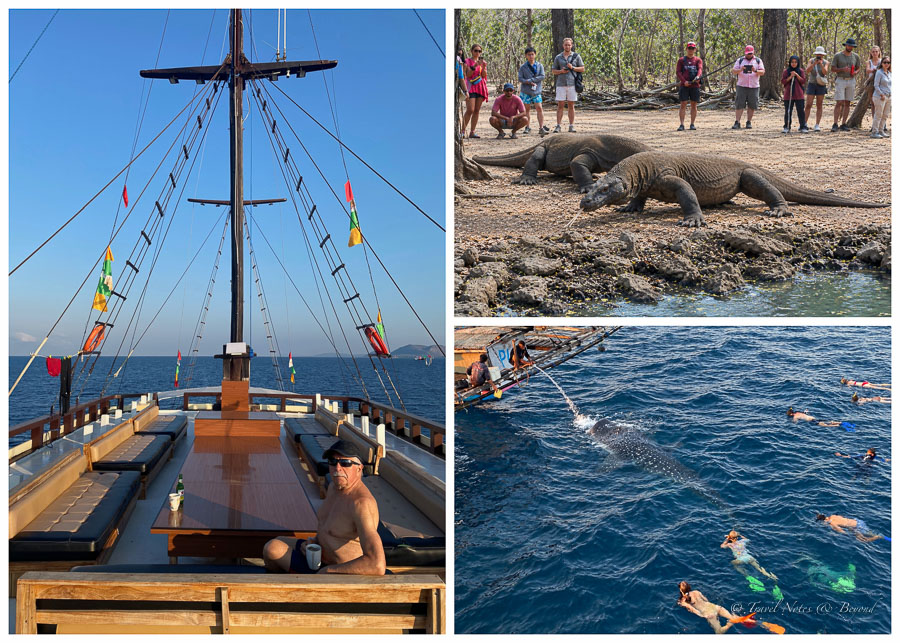
The boat trip ended in Labuan Bajo around 11:30 am. We had booked a 13:40 flight back to Bali, and we made it. Still, the boat docks between 11:30 and 13:30, so it’s tight. If you’re booking the same trip, choose a later flight.
The boat trip deserves more space than I can give it here, so I’ll cover it in detail in a separate post.
Day 12: Bali Safari Park and Tirta Empul
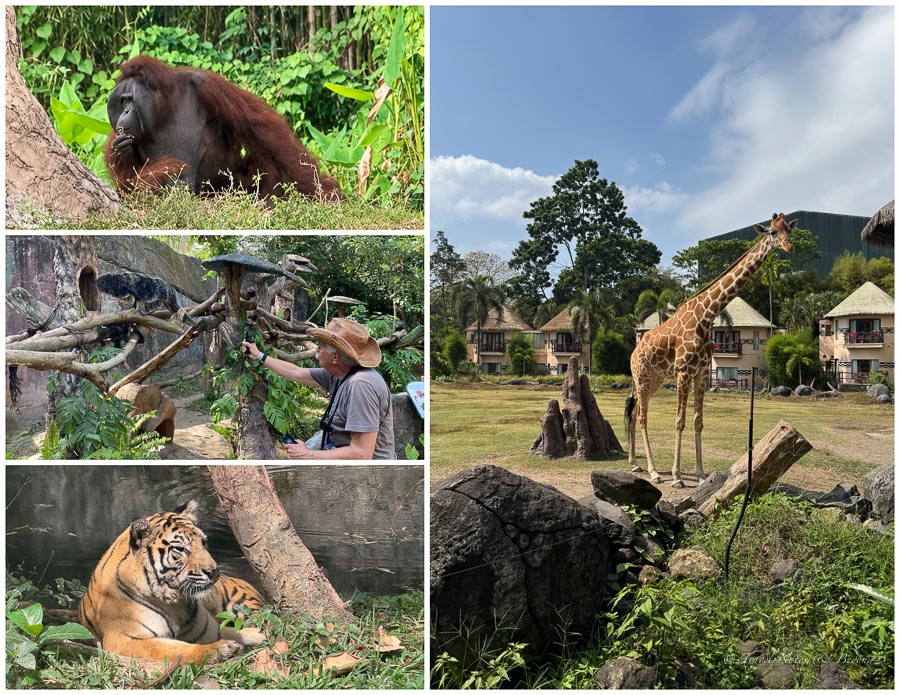
Back in Sanur, we spent the morning at the Bali Safari and Marine Park in Gianyar, about 30 minutes from the hotel. It’s an open-range park where the animals roam and you drive through their areas. We paid extra for the private 4×4 jeep tour, but it didn’t quite live up to our expectations. It was better than sitting on the big shared bus with everyone else, but the driver kept us moving, and we rarely had time to stop for good photos of the animals. If photography matters to you, you’ll probably be disappointed by this jeep tour.
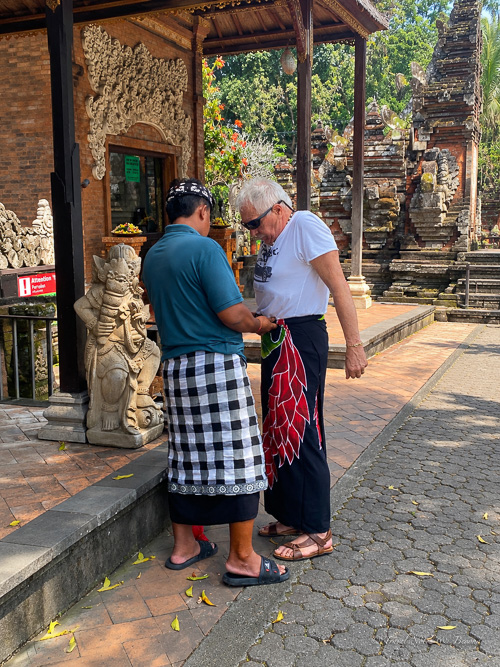
In the afternoon we drove to Tirta Empul in the village of Manukaya. Balinese Hindus come here for melukat, a purification ritual. You step into the stone pools and pass under a row of fountains fed by a sacred spring, bowing your head under each one. Visitors can join in wearing a sarong provided at the temple.
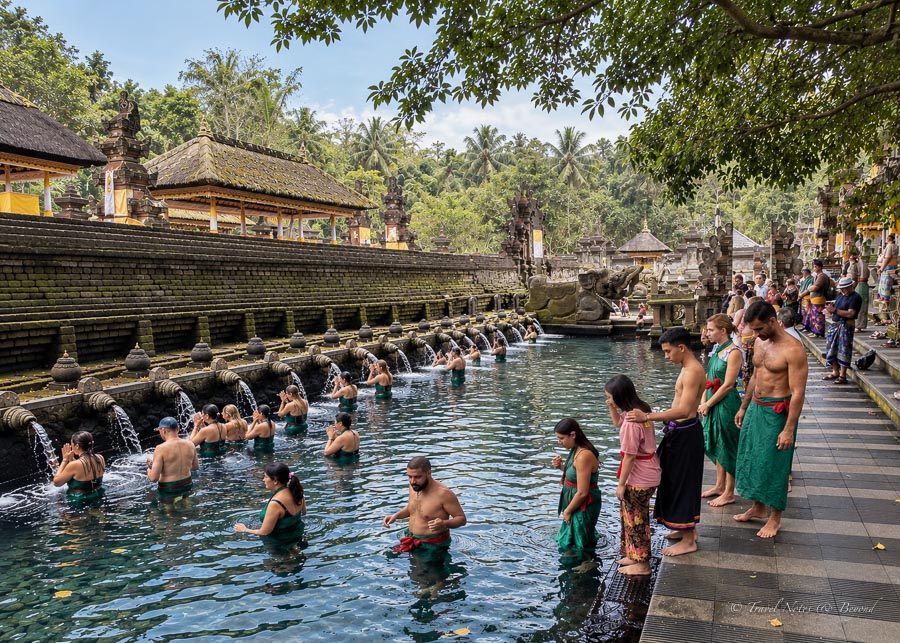
We watched, but we didn’t go in. For Balinese Hindus, melukat is a sacred purification ritual, and seeing families pray quietly under the fountains was moving. What we found hard to watch was the steady line of tourists changing into rented sarongs, stepping under the spouts, and posing for photos to post on social media. It felt more like a photo shoot than a ritual. If you visit, I’d suggest watching respectfully from the side rather than making it part of your Instagram feed.
Entry is IDR 75,000, and the temple is open from 07:00 to 18:00.
Day 13: Amed and Tirta Gangga
On the 13th day of our 2 week in Indonesia itinerary we drove about two hours to Amed, a string of fishing villages on Bali’s northeast coast known for its coral reefs. We started at 6:00 am, because the road is long and twisted, running past some of the most beautiful rice terraces we saw in Bali. If the rice fields are on your list, you may not need a separate trip to see them. You’ll pass plenty on the way.
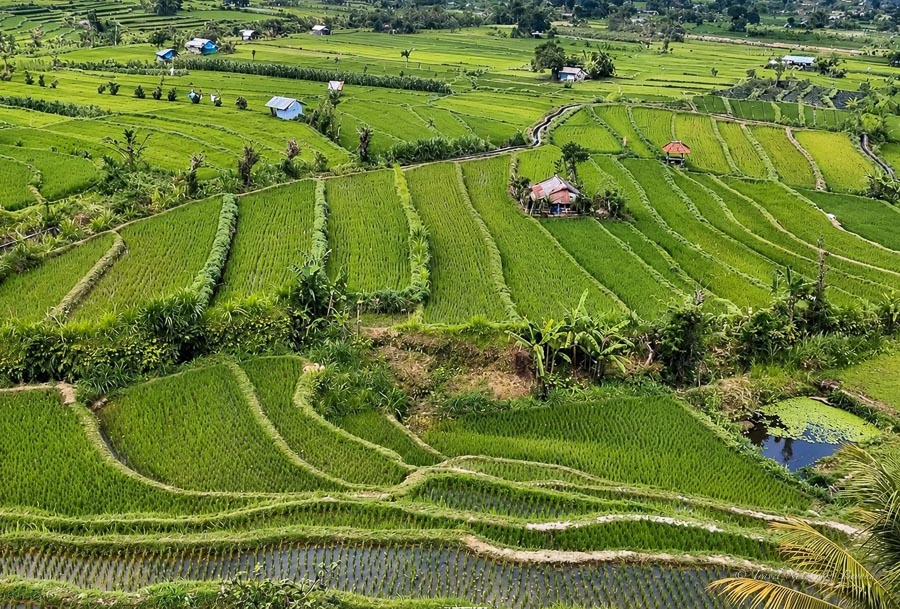
Amed also felt like a different Bali. There were far fewer tourists, and more of everyday village life, at least from what we saw in one day.
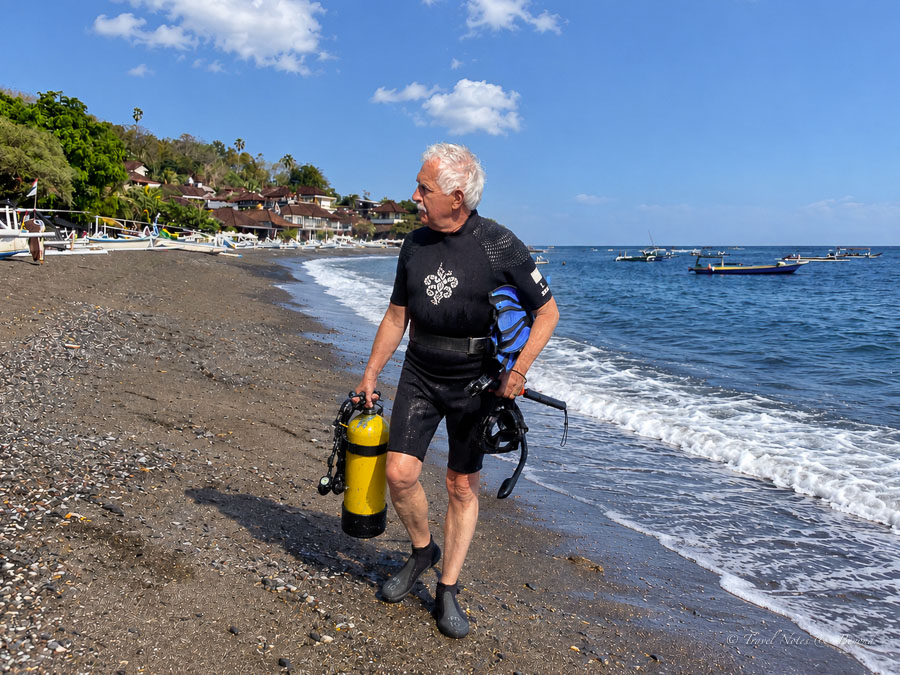
Laszlo wanted to scuba dive there, and he booked a dive with Fresh Fins Diving at Jemeluk Bay. He had fun, but he found the coral less rich than at other places he’s dived, and the site was crowded underwater, with every group heading to the same spot. If reefs are your main reason for going, you may be better off saving your dive for Komodo.
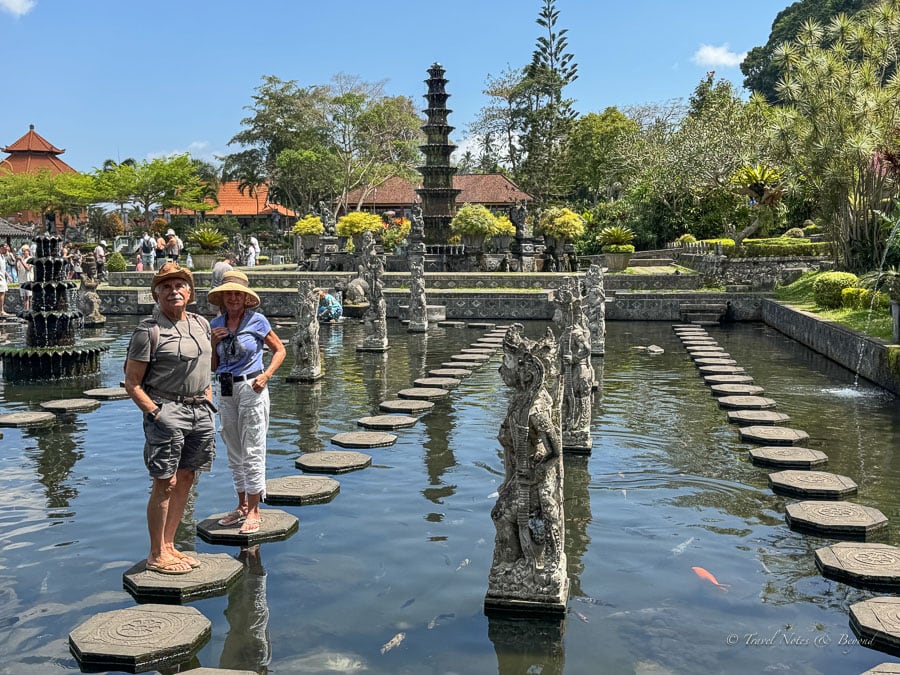
On the way back we stopped at Tirta Gangga, the former royal water palace of Karangasem. We made it there towards 2:30 pm, when the heat started easing. Its stepping stones cross koi ponds, with fountains and gardens all around. It was one of the most beautiful places we saw in Bali. Entry is IDR 90,000 for foreign adults.
Day 14: Nusa Penida
On our last day we decided to take a day trip to Nusa Penida, the island off Bali that everyone tells you not to miss. We took the 7:30 am boat and made it there by 8:15 am.
Sadly, for us Nusa Penida was the one disappointment of the trip. Not because the scenery is not beautiful, but because the whole package is not really worth the effort. I felt the same about Mykonos, another place everyone tells you not to miss.
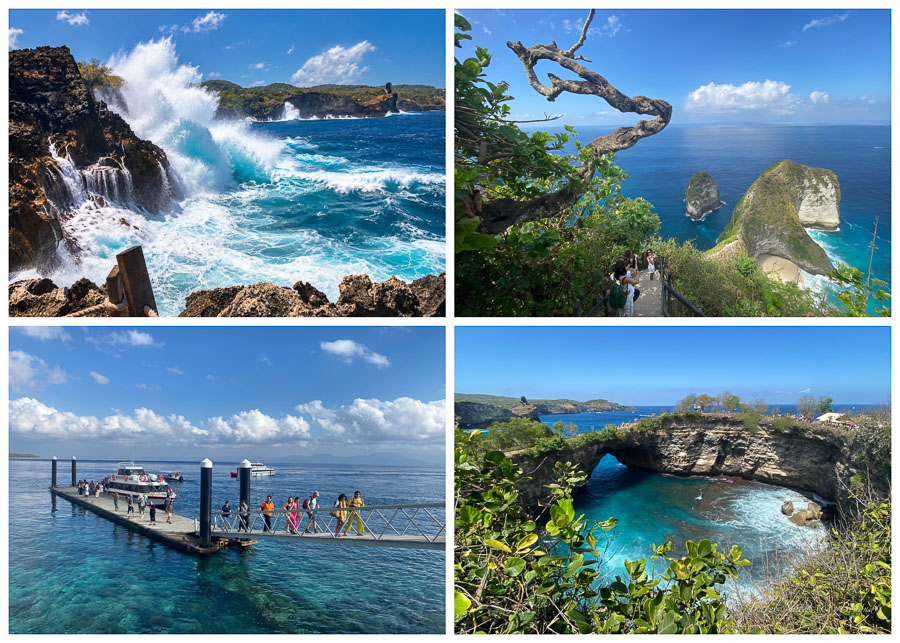
The viewpoints are beautiful, but hard to reach and so crowded that it’s difficult to get a clear photo. The few beaches that you can actually reach are absolutely packed. At every viewpoint you have to pay a fee, which comes in addition to the island entry fee. The problem is not the amount that you pay, which is very small, but the difficulty of the payment. They only take online payment, and the WiFi they offer is very slow or it doesn’t work at all. We waited 15 to 20 minutes in the sun before someone finally took cash.
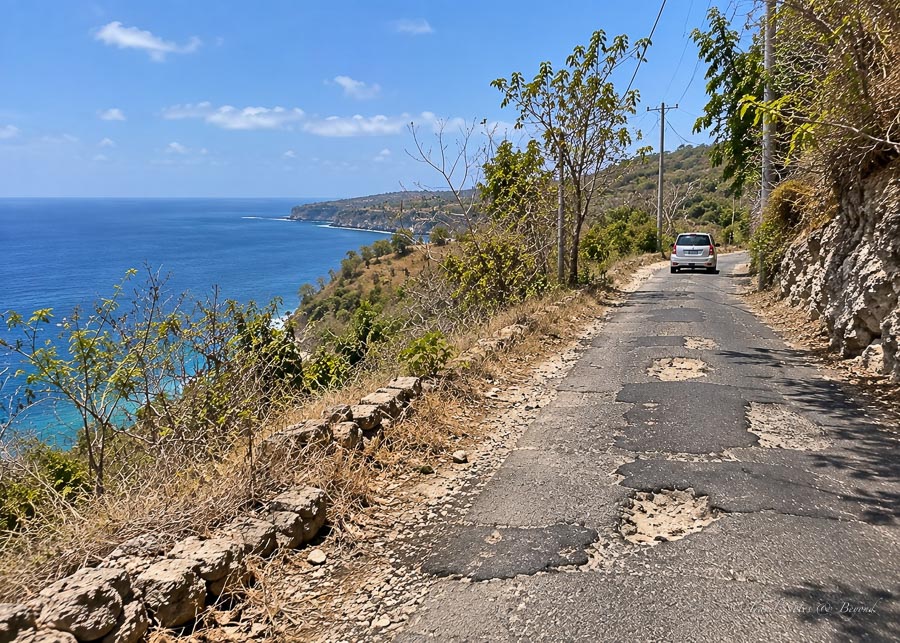
Then comes the infrastructure, or actually the lack of it. There is only one road that goes around the island. It is theoretically asphalted, which here means someone once had the intention, but in reality there are only patches of asphalt. The surface is so broken and flooded with puddles, that driving on it feels like driving on lava fields! The road is wide enough to fit one car and when another appears from the opposite direction — which happens constantly — both end up half off the road.
The biggest boat terminal on the island is practically a shack. No office, just a few outdoor stands under a roof. When we arrived, out of the two toilets only one was working and it looked rather like a countryside latrine. Everywhere else on the island where you’ll find a toilet, you’ll have to pay to use it. The parking lot is also inexistent: just an unpaved lot full of garbage.
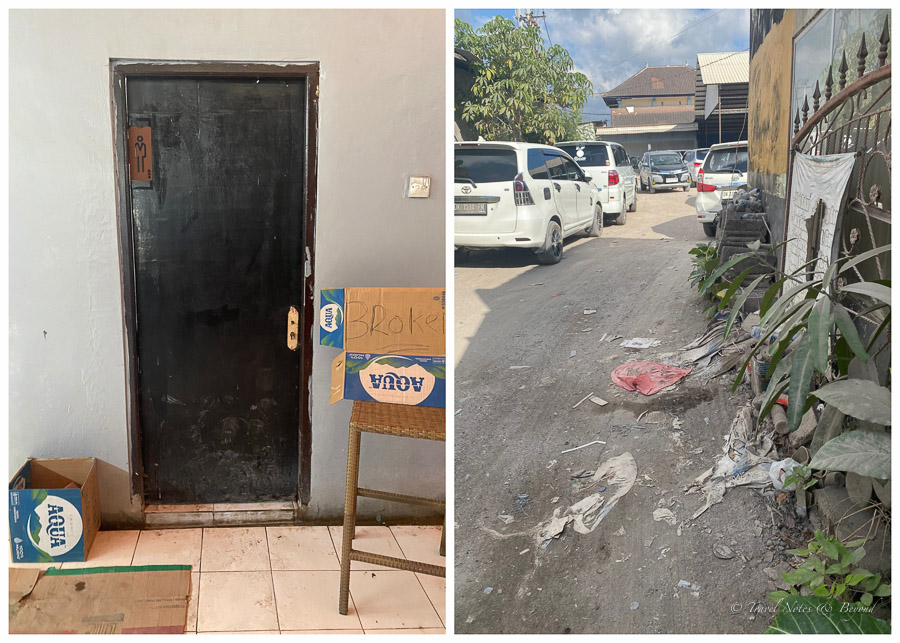
Yes, the drone footage you see online is beautiful, but it doesn’t show the state of the road or the boat terminal.
Day 15: Departure
We spent our last morning at the hotel in Sanur and left for the airport around noon for our 16:30 flight home.
Planning a 2 Week Indonesia Itinerary
Most of the planning for this trip comes down to a few things: the right paperwork before you fly, a sensible way to get between islands, and knowing which tickets to book ahead.
Before You Fly
Visa. Apply for the e-VOA online before you leave. It costs IDR 500,000, about $35, and covers 30 days (Indonesian Immigration). With it, you skip the visa line at the airport.
Arrival card. Everyone entering Indonesia must fill in the free All Indonesia arrival card online before landing. It replaces the old customs and health forms with one QR code.
Bali tourist levy. Foreign visitors pay a one-time levy of IDR 150,000, about $10, per person. You pay it online through the official Love Bali site, and it’s cashless only.
Getting around
Domestic Flights
We took three domestic flights: Bali to Yogyakarta, Yogyakarta to Lombok, and Labuan Bajo back to Bali. Flying is the only realistic way to cover these distances in two weeks. Remember that Java is one hour behind Bali, Lombok and Labuan Bajo.
It’s a good idea to book them ahead of time if you are absolutely sure about your itinerary. However, you don’t need to book months ahead. We forgot to book one of our flights and still found seats two days before.
Airport Transfers
In Bali we pre-booked our transfers. In Yogyakarta, a Grab from the airport costs around IDR 250,000, while Klook quoted us $48 for the same ride. So you have to weigh all your options and compare prices. The airport train is cheaper, but for two people arriving in the evening it wasn’t worth the wait.
The only surprise that we had was in Lombok, where Grab is not reliable at all. Local taxi drivers control the pickup area, and Grab drivers often can’t get in.
Warning! This is what happened to us. We landed around 20:00 and booked a Grab. At the pickup area, a local driver pretended to be our Grab driver, but the app showed our real car hadn’t arrived. Then our Grab rides were canceled one after another, and we had no choice but to take a local driver who charged IDR 50,000 more. If you arrive in Lombok, especially in the evening, book a transfer through your hotel before you land.
Drivers
For sightseeing days, hire a car and driver by the day. In Yogyakarta we paid roughly $30 for six hours and $45 for a full day. In Bali it was slightly more expensive, but not much more. The only time we paid around $55 was when we went to Amed, which was really far and we booked the car for 12 hours.
Use WhatsApp
In Indonesia almost everything runs through WhatsApp: drivers, dive shops, hotels, boat operators and even restaurant bookings. Most businesses list a WhatsApp number instead of an email, and they reply much faster there. Install it before you go and make sure your phone has data when you land.
We didn’t buy a local SIM card at all. WhatsApp calls and messages are free over wifi, and almost every hotel, restaurant and cafe will give you their password. Just remember that you’ll be offline on the road, so arrange pickups and meeting points before you leave the wifi.
What to book ahead
- Borobudur climbing slots: limited to 1,200 people a day, booked at borobudurpark.com
- Ramayana Ballet: outdoor shows only on Tuesdays, Thursdays and Saturdays from May to October
- The boat trip: book well ahead in peak season, and allow plenty of time for your flight out of Labuan Bajo
- Dinner at the Rama Shinta Restaurant across from the Prambanan Temple
Money
Carry cash. Many temple entrances in Bali are cash only, including Tanah Lot, Uluwatu and Padang Padang. On Nusa Penida it’s the opposite: some viewpoints only take online payment, so bring both. Also, change cash at money changers licensed by Bank Indonesia. Avoid street kiosks with rates that look too good, because short-changing scams are common in Bali.
Packing
You don’t need a lot of clothes in Indonesia, so we traveled with carry-on luggage only. This saved us time at every airport, especially on arrival in Bali. We used the laundry services at the hotels and were surprised how low the fees were. For a laundry bag we paid roughly $10. Also, remember that you don’t need to pack a sarong because the temples provide them free of charge.
Where to Stay on a 2 Week Indonesia Itinerary
We changed hotels only three times in 14 days, and three of our nights were on the boat.
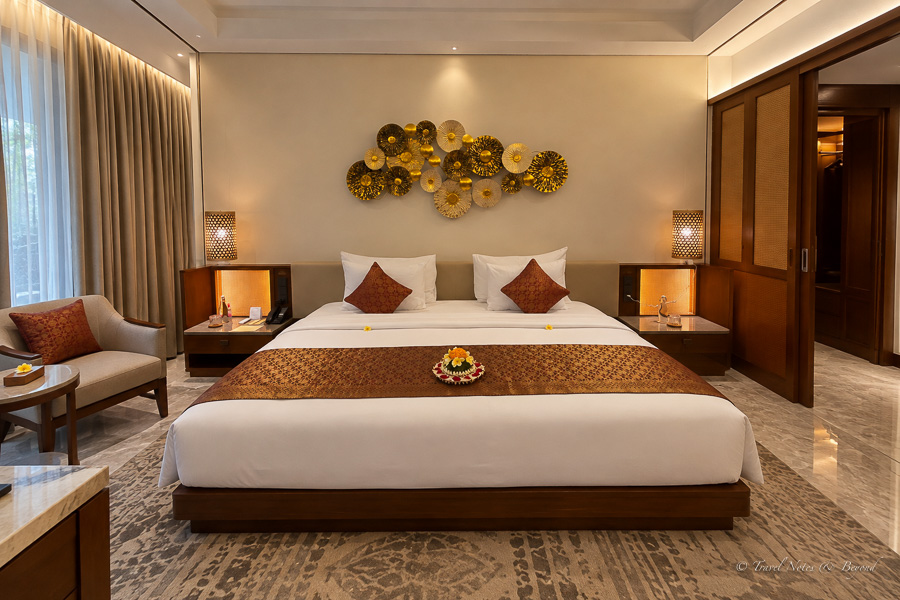
Sanur, Bali: Sumitra Luxury Villas. We stayed here at the start and at the end of the trip. Sanur is on Bali’s calmer east coast, about 30 minutes from the airport, and the fast boats to Nusa Penida leave from its beach. That made it a practical base for day trips and a quiet place to come back to in the evening. The hotel itself is outstanding and easily one of the best in Bali. The rooms are huge, the bathrooms are well appointed, and the amenities are excellent. It isn’t cheap for Bali, though. We paid about $170 a night, which is a bargain by European or American standards, but on the expensive side here.
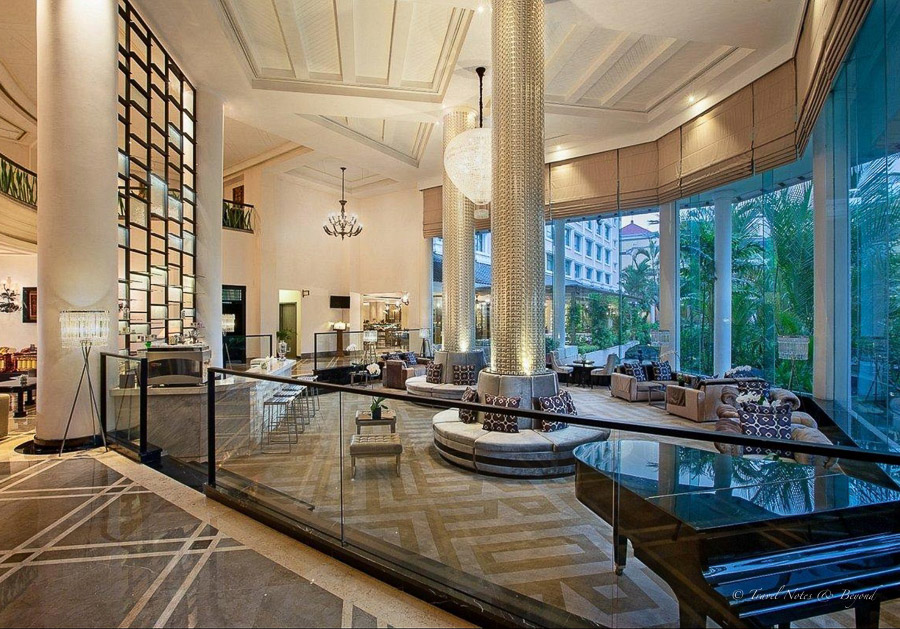
Yogyakarta: Melia Purosani. The hotel is a five-minute walk from Malioboro, so we could go out for dinner and the evening stalls without a car. We went to Borobudur, Prambanan, and the coast with a driver, so we didn’t need to stay near the temples. The pool was a nice bonus on our rest morning. At about $80 a night, it cost less than half of what we paid in Sanur, but it isn’t the same level of comfort. Nonetheless, it’s a very good hotel.
Mataram, Lombok: Golden Palace Hotel. We stayed only one night. We picked the location because it’s one of the pickup points for the boat trip, and the crew collected us there the next morning. It was also inexpensive and very comfortable.
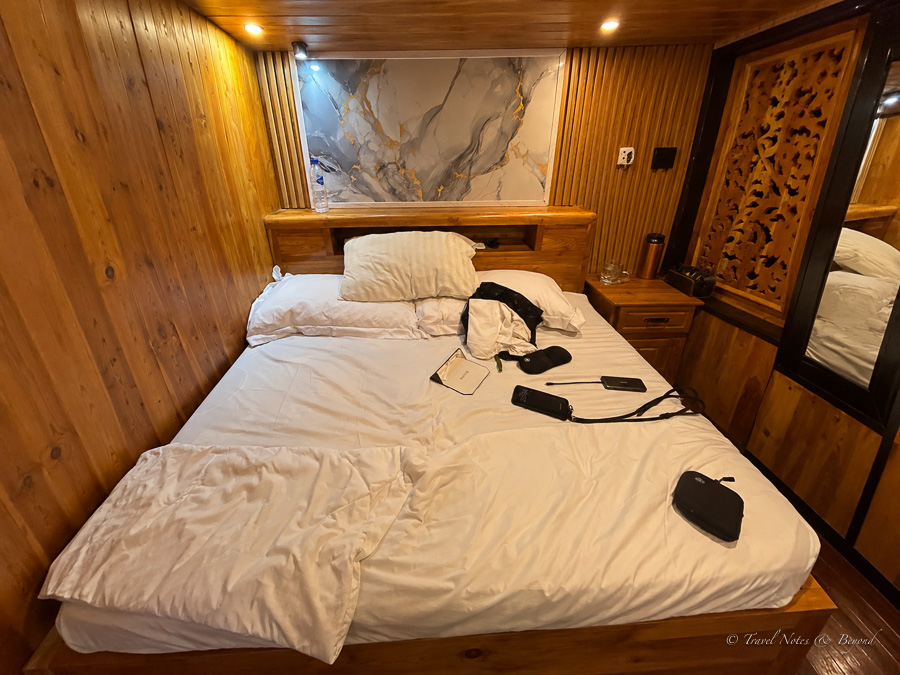
On board: Alfathran 3. We spent three nights on this phinisi between Lombok and Labuan Bajo. Our cabin was on the upper deck. It was small, but it had windows looking out to sea. We had hoped for one of the two top-deck cabins, which are larger and have balconies, but they were already taken. Book early, because the cabin you get makes a big difference.
Tips from Experience: What I Would Do Differently
Most of our 2 week Indonesia itinerary went the way we planned it. Looking back, there are only a few things I would change:
Book the Lombok airport transfer ahead of time. After what happened when we landed (see the warning in the planning section), I would arrange a pickup through the hotel before the flight. It usually costs more than Grab, but that’s worth it. Spending an hour late at night trying to shake off pushy drivers was worse than paying the difference.
Skip Nusa Penida. I would use that day to visit one of Bali’s many waterfalls instead. It’s less travel and less hassle, and you are more likely to get the experience you came for.
Book the boat trip earlier. We booked our 4D/3N trip two months ahead, but the best cabins were already taken. On a trip like this, your cabin makes a big difference, so I’d book as early as possible.
Stay longer. We packed a lot into 14 days and still left feeling there was so much more to experience in Indonesia. With a few more days, we could have slowed down and added a place or two instead of rushing through.
Pack even less. We traveled with hand luggage only and still brought clothes we never wore.
Frequently Asked Questions
Is 2 weeks enough for Indonesia?
It’s enough for a few regions, not the whole country. We covered Bali, Yogyakarta, and the islands between Lombok and Labuan Bajo, and we still left feeling there was much more to see. If you can add a few days, the pace will be easier.
How much does a 2 week Indonesia itinerary cost?
It depends on how you travel. This 2 week itinerary works on almost any budget, but the total can change a lot depending on where you sleep and eat. We leaned toward comfort, but the same route works on a much smaller budget. Here is what drives the cost:
The flight to Indonesia is the biggest cost. From the US, that means about 17 hours in the air plus a layover, and a high ticket price. From Australia it’s a short, much cheaper flight.
The boat trip from Lombok to Labuan Bajo comes next. A spot on a shared deck starts at around IDR 3.7 million (about $225) per person. A private cabin on a higher deck costs $700 to $800/person. Meals are included either way.
Hotels vary the most. In Bali, a clean guesthouse costs $25 to $50 a night, and a mid-range resort in Sanur runs $120 to $250. Food works the same way. A plate at a local warung costs about $2 to $4, and a hotel dinner can cost ten times more.
Some costs are the same for everyone. Domestic flights run about $100 to $150 per person each. Most temples charge only $3 to $4 per person. Prambanan and Borobudur are the exception, at about $22 and $25 per person.
Getting around is a cost you can control. A private driver in Bali costs about $40 to $60 a day, and less in Yogyakarta. For short rides, Grab is much cheaper.
Do you need a visa for Indonesia?
Most visitors need a visa on arrival. We applied online for the e-VOA before we flew. It costs IDR 500,000 and covers 30 days. Bali also charges a tourist levy of IDR 150,000, paid cashless.
Do you need to book Borobudur in advance?
Yes. Only 1,200 visitors a day can climb the temple, in hourly slots, and tickets are sold at borobudurpark.com. Book as soon as your dates are set.
Do you need a local SIM card?
We didn’t. Wi-Fi was available almost everywhere we stayed, and we used WhatsApp to book drivers and boats and to talk to hotels.
Is Nusa Penida worth a day trip?
For us, it wasn’t, but many people would argue differently. The trip may be worth it for you, as long as you know what to expect. The roads were rough, the viewpoints were crowded, and the fees added up. If I were to choose, I would spend that day at one of Bali’s waterfalls instead.
Final Thoughts
No 2 week Indonesia itinerary can cover a country of 17,000 islands, and I knew that before we left. What I didn’t expect was how different each island would feel. Bali is Hindu, with small offerings in front of homes and shops. Java is mostly Muslim, yet its two greatest monuments are a Buddhist temple and a Hindu one, both more than a thousand years old. Komodo is mostly sea, bare hills and dragons. It felt less like one country than several.
The other surprise was how little our best moments had to do with fame. Nusa Penida, the island everyone told us not to miss, was the one real disappointment. Tirta Gangga, which we fit in on the way back from Amed, turned out to be one of the most beautiful places we saw in Bali.
We planned this route around the famous names, but looking back, they’re not what impressed us most.
 Tipping in Europe: How Much to Tip and Why the Rules Are Shifting