
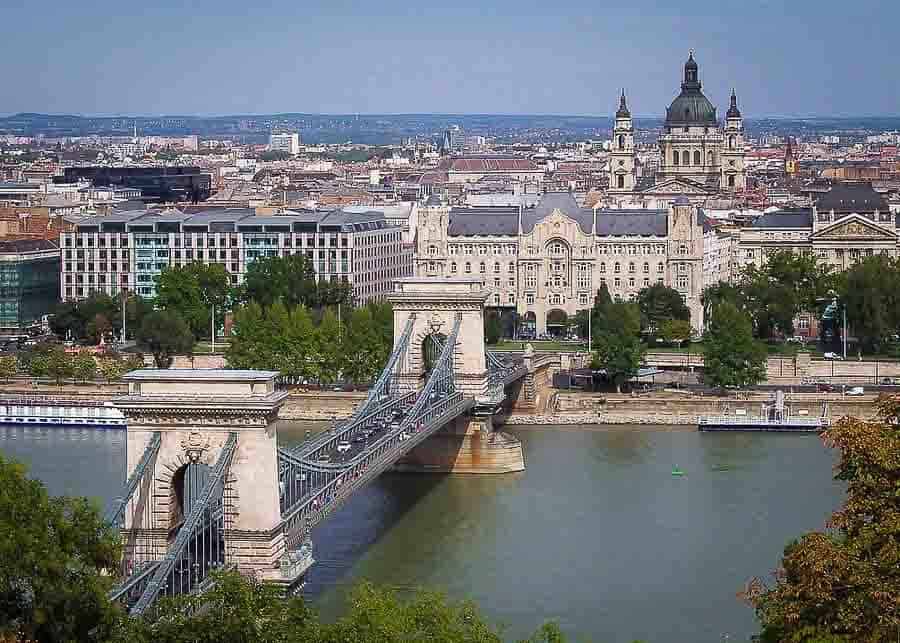
Budapest is one of the most desirable and cheapest destinations in Central Europe, with stunning architecture, great restaurants, and a cool vibe. But you probably heard that already, which is why you want to see it for yourself. Visiting Hungary’s capital for the first time may be a little intimidating, but fear not. In this guide I’ll give you all the tips and information you need to make your travel safe and take the stress out of your trip to Budapest.
Budapest at a Glance
Separated by the River Danube into the Buda and Pest, corresponding to the two major cities of which it is comprised, Budapest is administratively divided into 23 numbered districts written in Roman numerals. The two parts of the city could not be more different, with very distinctly different personalities.
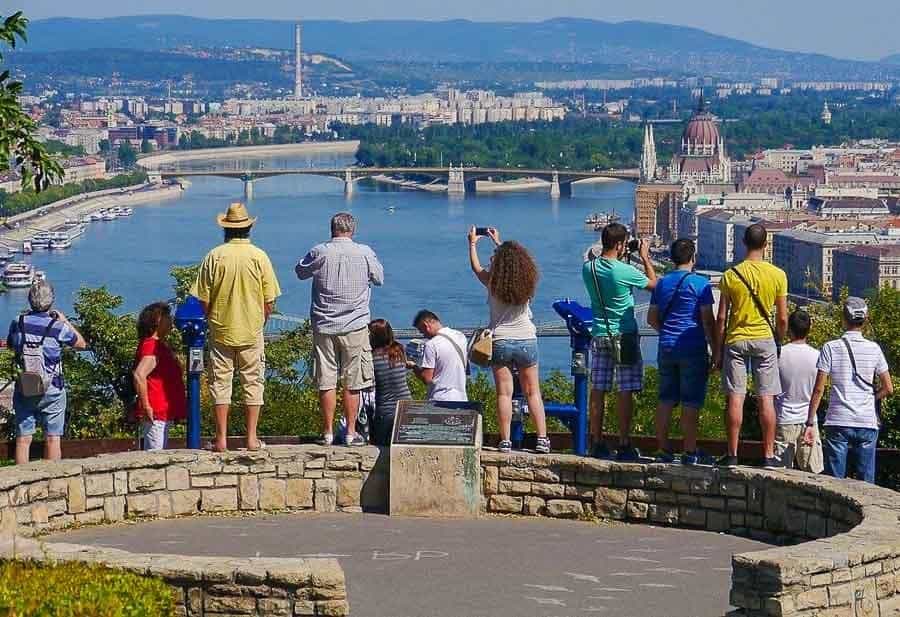
Buda is the historic part of the city where you’ll find the main attractions in Budapest: the Buda Castle (Budavári Palota), the Fishermen’s Bastion (Halászbástya), and Matthias Church (Mátyás Templom). Located on a hill on the left bank of the river Danube, Buda displays breathtaking panoramas of all the downtown buildings and the famous eight bridges of Budapest.
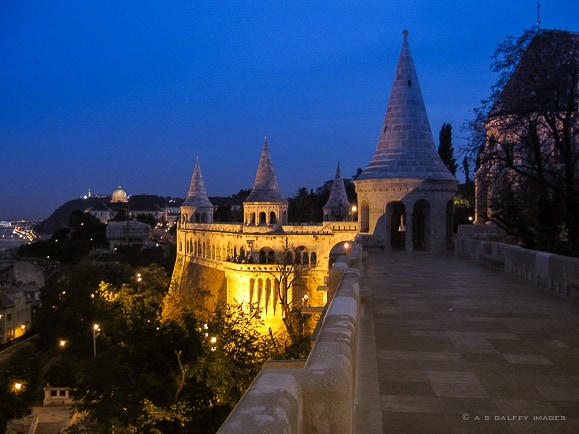
Pest is the flat, more modern part on the east bank of the Danube. Here is where Budapest really comes alive, where the social life takes place, where all the shops, museums, fancy restaurants, and art galleries are located.
Here is where you can enjoy a more modern experience as opposed to the more historical side of Buda. Tourist attractions on the Pest side of the Danube are far more numerous (the Hungarian Parliament building, Opera House, Szént Istvan Basilica, Gellért Baths, just to name a few.
How to Get to Budapest
By Plane
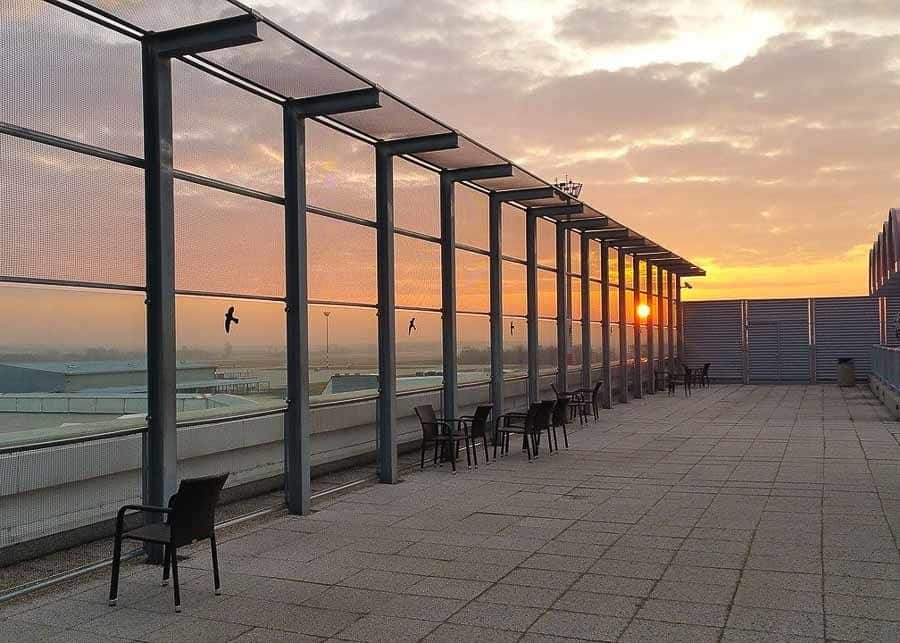
Budapest Ferenc Liszt International Airport (Ferihegy International Airport) is located approximately 25 Km (about 40 minutes drive) from the city center.
Budapest Airport operates two terminals: 2A and 2B, connected by the central SkyCourt, which passengers can walk between in about 10–15 minutes. Terminal 2A handles Schengen flights, while Terminal 2B serves non-Schengen and long-haul destinations. All airlines use Terminal 2, since Terminal 1 has been closed to commercial flights in 2012.
In February 2026, Budapest Airport broke ground on a new Terminal 3, as part of a €1 billion expansion project aimed at boosting capacity and modernizing the facility. A completion date has not been officially announced.
Getting To and From the Airport
By Bus
The main option for tourists is now the 100E Airport Express, which runs directly to Deák Ferenc tér (city center) for 2,500 HUF (~€6). The 200E bus still goes to Kőbánya-Kispest for M3 metro connection, at the standard single ticket price of 500 HUF.
By Shuttle (MiniBUD)
The Airport also operates a door-to-door shuttle service (MiniBUD) that is very convenient and relatively inexpensive. Shuttles run 24/7 and depart every 15–25 minutes. Book in advance at minibud.hu.
By Taxi
Although it’s not cheap, the fastest and most convenient way to get to and from the airport is by cab. 20 years ago when I first went to Budapest, taking a cab was a problem because most of the time you were being ripped off. But not anymore. You can now avoid paying more than you should by using Főtaxi, the only licensed taxi operator at the airport.
The fixed fare runs approximately 11,000–16,000 HUF depending on your destination. If you want to take a cab from the airport to the city, you’ll have to go to the taxi booth located just outside the arrivals terminal. Here you’ll provide your destination and receive a printout which you’ll then give to the cab driver.
Bolt is now widely used and reliable for pre-booked rides to/from the airport as well.
By Train
There are three main international railway stations in Budapest providing direct links with other European cities: Keleti pályaudvar, Nyugati pályaudvar, and Déli pályaudvar, and all three of them are connected with the underground metro system.
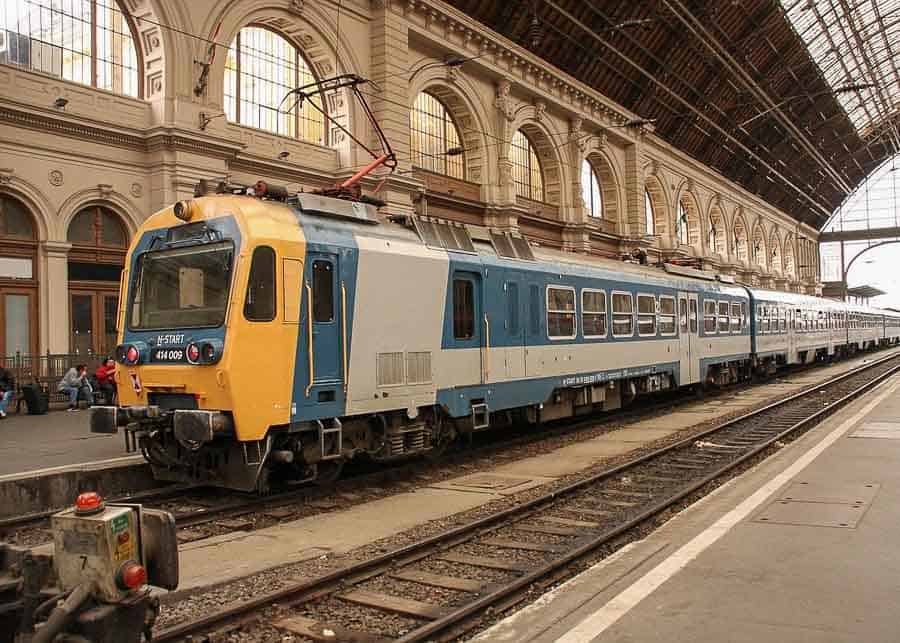
For people who want to explore Budapest by train they offer an Eurail Hungarian Pass and InterRail Hungary Pass, for international traveling. Hungarian Railways (MÁV) also sells international tickets directly at mav-start.hu.
By Car
Budapest can be easily reached by car from almost anywhere in Europe. There are motorways and expressways. The main differences between the two is that motorways have emergency lanes and the maximum allowed speed limit is 130 km/h (81 mph), while expressways do not and the speed limit is 110 km/h (68 mph).
While the city itself is difficult to navigate, reaching Budapest by car is actually quite easy.
By Boat
Budapest is one of the most popular ports of call on the Danube river cruise circuit, with major operators including Viking, Avalon, AmaWaterways, and CroisiEurope all stopping here as part of longer itineraries between Passau or Nuremberg and Budapest, or continuing downstream toward Bucharest. River cruise ships dock right in the heart of the city, within walking distance of the main attractions. If you are arriving as part of a cruise, no transfer is needed. You step off the ship and you’re already there.
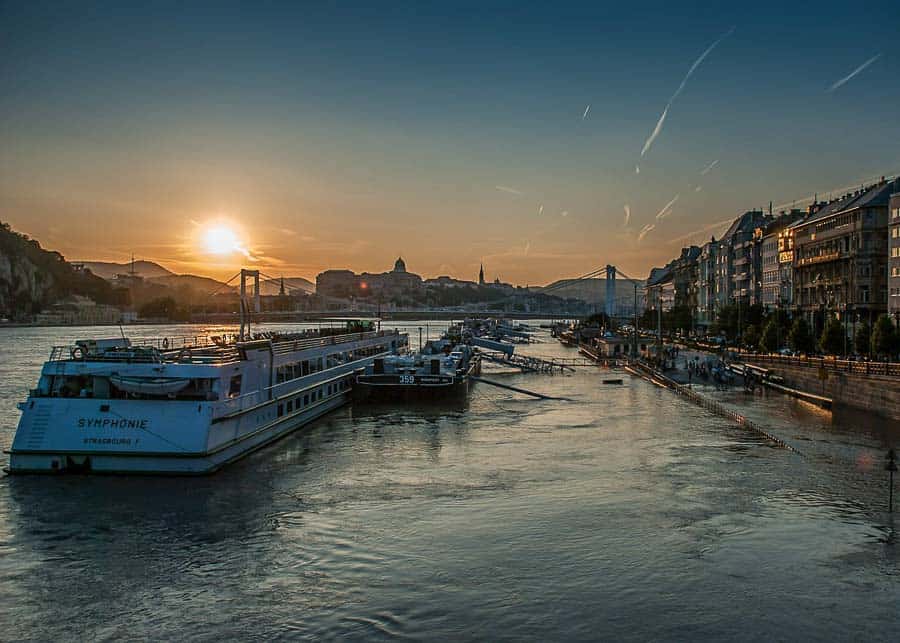
Budapest is also a popular embarkation and disembarkation point, so many travelers choose to start or end their Danube cruise here and spend a few extra days exploring the city
PLANNING A TRIP TO EUROPE? READ NEXT:
How to Dress Like a European – Packing List for Europe
12 Tips for Traveling to Europe Like a Pro
Parking in Budapest
Finding parking in Budapest is just as difficult as in any other major European city. There are several parking garages located in the city center, malls and hotels.
Street parking in Budapest is very tricky. Spaces are scarce and in most areas you can’t leave your car for more than 3 hours. Also, be careful on smaller streets where parking may be assigned for the residents or for certain business in the area.
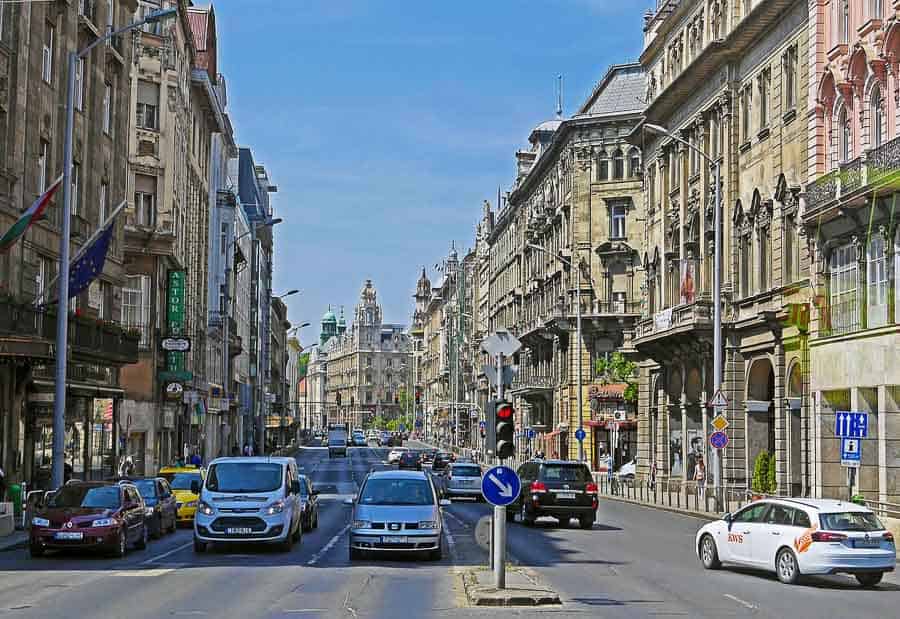
If you plan to drive in Budapest and are not staying in a hotel, try to make an arrangement for parking with a nearby hotel. Sometimes, if they have space available, they may allow you to park your car there for a fee.
As of July 2026, Budapest is abolishing all parking meters. Payment is now app or SMS only, no coins or cards at meters. Visitors should download the Budapest Parking app before arriving
How to Get Around in Budapest
Getting around in Budapest if fairly easy and convenient. Choices of public transportation include buses, trams, taxis and a very well organized metro system.
Walking is by far the best way to visit the city. However, since there is a lot to see in Budapest, you will also need to use public transportation.
Taxis in Budapest have improved significantly in recent years. All licensed cabs are uniformly yellow and fully regulated, and ride-hailing apps like Bolt make it easy to book a ride with a fixed price upfront. Avoid hailing cabs off the street and other use the app or ask your hotel to call one for you.
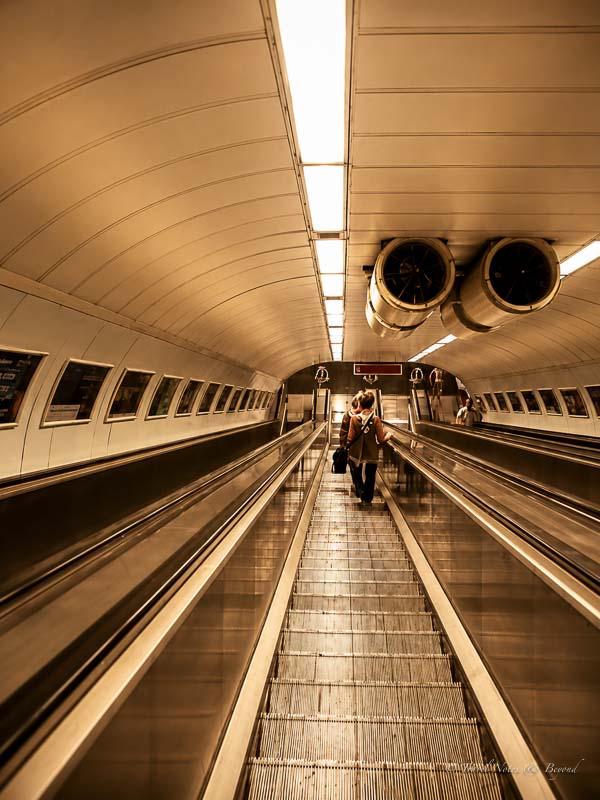
TRIVIA: there is only one metro system in the world that has been designated an UNESCO World Heritage Site. Do you know which one it is? If you guessed Budapest Metro, you guessed it right. The system was opened in 1896, making it the second oldest in the world, after the London Underground.
Using Public Transportation in Budapest
If you plan to stay longer than 3 days in Budapest, your best deal is a travelcard: a 72-hour card costs 5,750 HUF (~€14) and a 7-day card costs 5,500 HUF (~€14), both valid on all public transport except the funicular and the 100E airport express. For a single trip, tickets cost 500 HUF each and must be validated upon boarding. Monthly passes are available for 8,950 HUF (~€22).
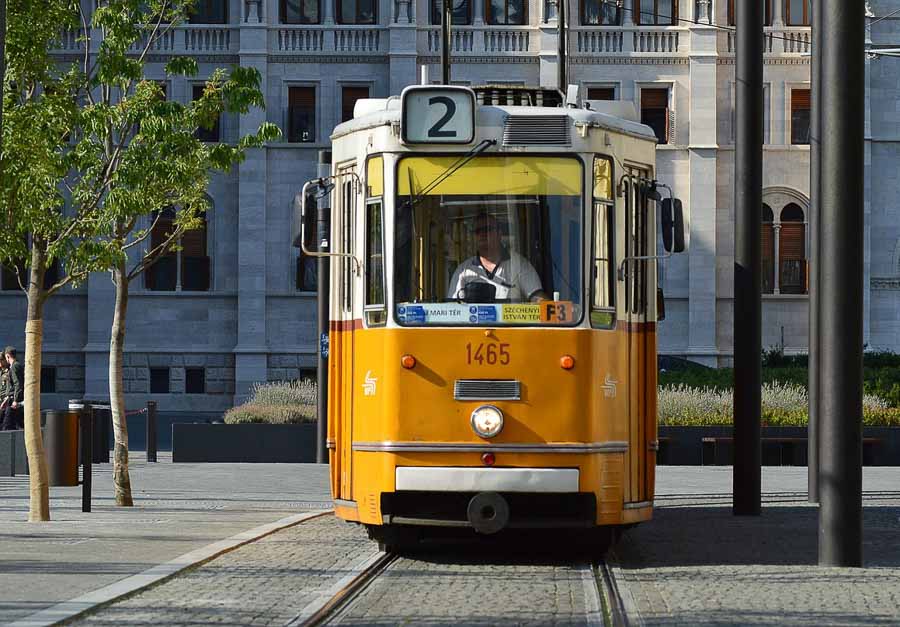
Ticket inspectors wear a red/blue armband and a photo badge. They can ask to see your ticket even after you get off, so hang on to it.
NOTE: Anyone aged 65 and older, regardless of nationality, travels free on Budapest public transportation. Just carry a valid passport or photo ID showing your date of birth. No ticket or registration needed.
READ NEXT: Romania vs. Hungary: Which Country Treats Tourists Better?
Hungarian Currency
Although a member of the European Union, Hungary does not use the Euro. However, many of the big businesses and hotels in tourist areas accept Euros. The official currency is the Forint (symbol: Ft, code: HUF). Due to the very small value the fillér coins are no longer in circulation. As of June 2026, 1 EUR ≈ 400 HUF.
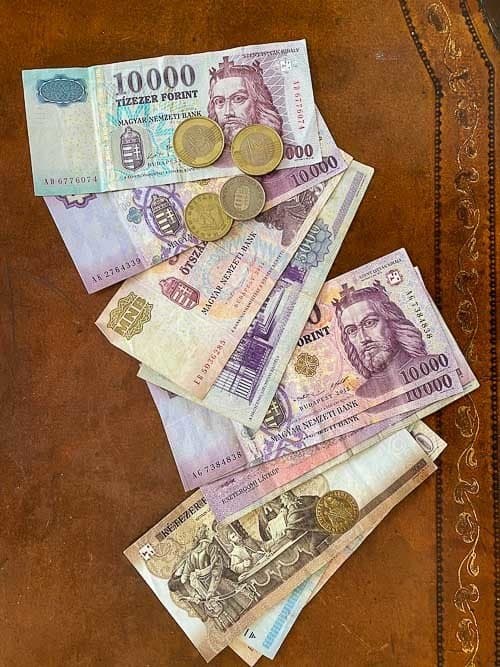
Because it doesn’t use the Euro, Budapest is a bargain compared to other European cities. There are many options for currency exchange in Budapest.
You can use ATMs, banks, or exchange kiosks located in tourist areas or shopping malls. Be aware though that the exchange rate may vary dramatically depending on the location.
The worst locations for exchanging money are the airport, train stations, Váci utca, and Buda Castle area. You can get better rates farther away from the tourist areas (there are two very good exchange kiosks located on Szt. István körút, between the Nyugati terr and the Danube).
Avoid Euronet ATMs
Budapest is full of bright, eye-catching Euronet ATMs, especially in tourist zones, at the airport, and near major attractions. They are convenient but costly because they include fees and inflated exchange rates can add up to the equivalent of €40–€60 lost on a single withdrawal!
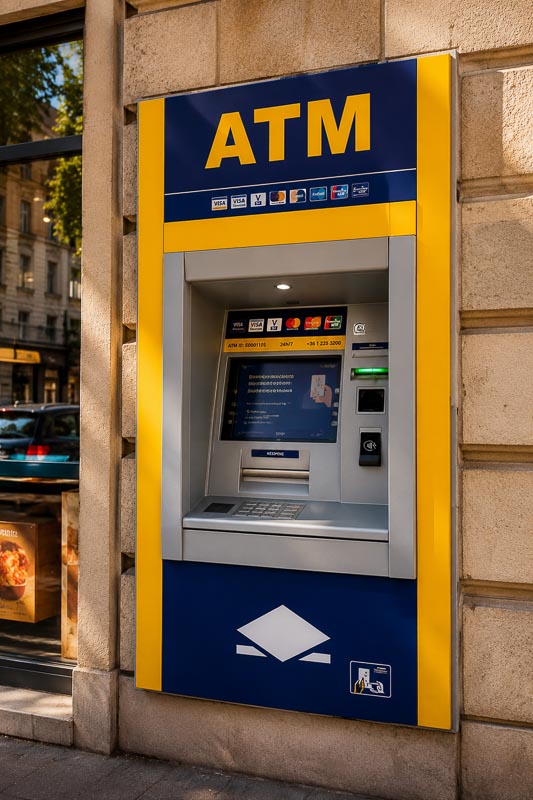
Stick to ATMs inside actual bank branches (OTP, K&H, Erste are reliable options). And regardless of which ATM you use, always decline the “conversion” or “guaranteed rate” option and choose to be charged in HUF. This forces the transaction through your own bank’s exchange rate, which is almost always better.
Guide to Staying Safe in Budapest
Budapest is probably one of the safest places to travel in Europe. But, like in any big city, you can expect theft incidents and scams. Especially in tourist areas. Violent crime is quite rare.
Like anywhere else, exercising common sense is the best way to avoid being a victim. However, in this guide I’ll give you a few tips that can help you stay safe while you travel in Budapest:
Beware of “officials” who do not have identification or badges. They may try to unjustly charge you with an infraction just to offer you a lesser fine if you pay cash. Always ask to see credentials and insist on going to an official police station if challenged.
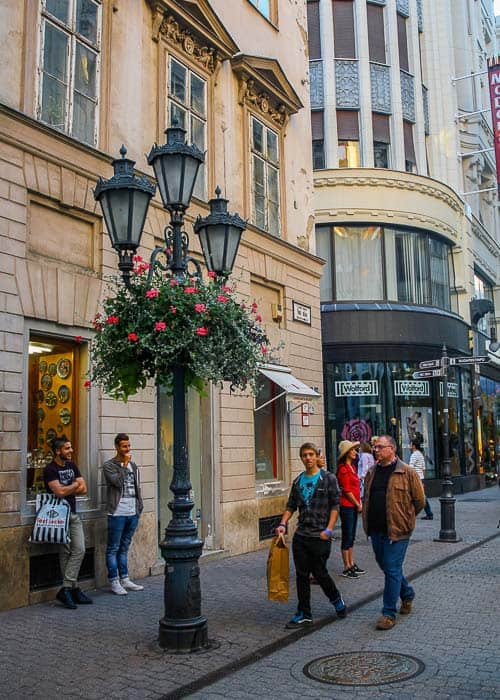
Never exchange money on the street unless it is an authorized change kiosk. We’ve been cheated once by a guy who posed as a tourist trying to get rid of some left over currency, so watch out!
The Bar Scam
This is Budapest’s most reported tourist trap and it’s still very active in 2026. It works because it doesn’t feel like a scam at first. An attractive stranger approaches you near Váci utca or the Jewish Quarter, strikes up a friendly conversation, and casually suggests a nearby bar, framing it as a local tip, not a proposition.
Once inside, drinks appear that you didn’t order, presented as complimentary gestures. The bill arrives later and the total is outrageous, often hundreds of euros. If you refuse to pay, bouncers appear and physically escort you to the nearest ATM. In February 2025, Hungarian police broke up a criminal ring of ten people running exactly this scheme in the Party District.
My simple advice is to never engage in conversations with strangers and always check the menus display prices before you sit down anywhere. Also, never accept drinks you didn’t personally order.
The same vigilance applies to tourist restaurants near Parliament and Fisherman’s Bastion, where menus with prices conveniently missing, or “dual menus” with tourist pricing.
Useful Emergency Numbers in Budapest
- 112 — General emergency (police, ambulance, fire) — works from any phone, English available
- 107 — Police
- 104 — Ambulance
- 105 — Fire
- +36 1 438 8080 — Tourist Police, 24/7 English-language hotline for reporting crimes
- +36 1 2400 475 — Falck SOS Hungary, 24-hour medical assistance in English
READ NEXT: 2 Weeks in Europe – 10 Amazing Itineraries to Choose From
The Budapest Card – Is It Worth Buying?
Buying the Budapest Card may be the most important piece of information in this travel guide, because it will save you a lot of money and headache. If you plan to visit several attractions and use public transport frequently, the Budapest Card is an absolute must. It’s Budapest’s official all-in-one city pass: a transport card, museum pass, and discount card combined.
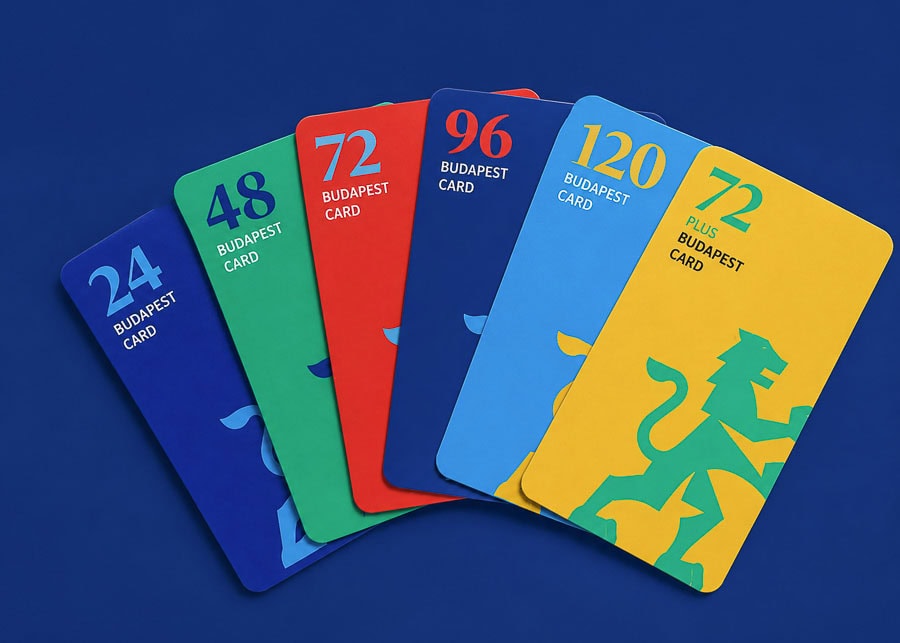
Every card includes unlimited public transport, free entry to 30+ museums and attractions(including the Hungarian National Gallery, Museum of Fine Arts, Memento Park, and Aquincum Museum), one free entry to Lukács Thermal Bath, one free Danube river cruise (choice of four options), and free guided walking tours of both Buda and Pest.
It also offers discounts of 10–50% apply at popular spots not included for free, including Széchenyi and Gellért Baths, St. Stephen’s Basilica, the Dohány Street Synagogue, and dozens of restaurants. Just to clarify: Széchenyi and Gellért Baths are not free with the Budapest Card, just 20% discounted.
Budapest Card Prices in 2026
- 24 hours: 17,990 HUF (~€45)
- 48 hours: 23,990 HUF (~€60)
- 72 hours: 29,990 HUF (~€75)
The card pays for itself quickly. BKK calculates that just combining free transport, the National Gallery, Castle Bus, and a Danube cruise already saves you over 11,500 HUF versus buying separately. Pick it up at the airport, the city center office, or buy it online before you go.
How Not to Annoy the Hungarians
This is advice that you’ll probably don’t find in any travel guide for Budapest, but it’s important to know. Hungarians are hospitable people, but there are a few things that they will interpret as rude and will instantly mark you as a clueless tourist.
Don’t clink beer glasses. This is the big one. Hungarians have a tradition of not clinking beer glasses. This comes from the Hungarian Revolution in 1848 when the Austrian generals celebrated the suppression of the revolution by clinking their beer steins. The tradition of abstaining became a form of national mourning, sworn to last 150 years. That time has passed, but many Hungarians still observe it out of cultural habit. Clink wine glasses freely, but just leave the beer alone!
Don’t assume everyone speaks English. Or wants to! Budapest is increasingly tourist-friendly, but step outside the main areas and English is limited. Learning a few basic phrases like: köszönöm (thank you), kérem (please), elnézést (excuse me) goes a long way and is genuinely appreciated.
Don’t tip on the card. Tipping is expected (around 10%), but always tip in cash directly to your server. Tips added to card payments often don’t reach the staff. Also check your bill for a service charge (szerviz díj). If you see it on the check, you don’t need to add a tip.
Stand on the right on escalators. This is an unwritten rule Hungarians take seriously: the left side is for walking, the right for standing. Block the left side in the metro and you’ll get looks (or a firm elnézést).
Be quiet on public transport. Loud conversations, speakerphone calls, or music without headphones are unacceptable. Hungarians keep to themselves on trams and metros.
Always greet when entering a small shop. Walking into a bakery or small store without saying szia (hello) or jó napot (good day) is considered rude, especially by older locals.
Tips for Visiting the Big Attractions
20 years or so ago, when I first visited Budapest, getting into the city’s biggest attractions was a matter of buying a ticket and stepping inside. But not anymore. Due to the large popularity Budapest enjoys lately, it is advisable to purchase tickets in advance.
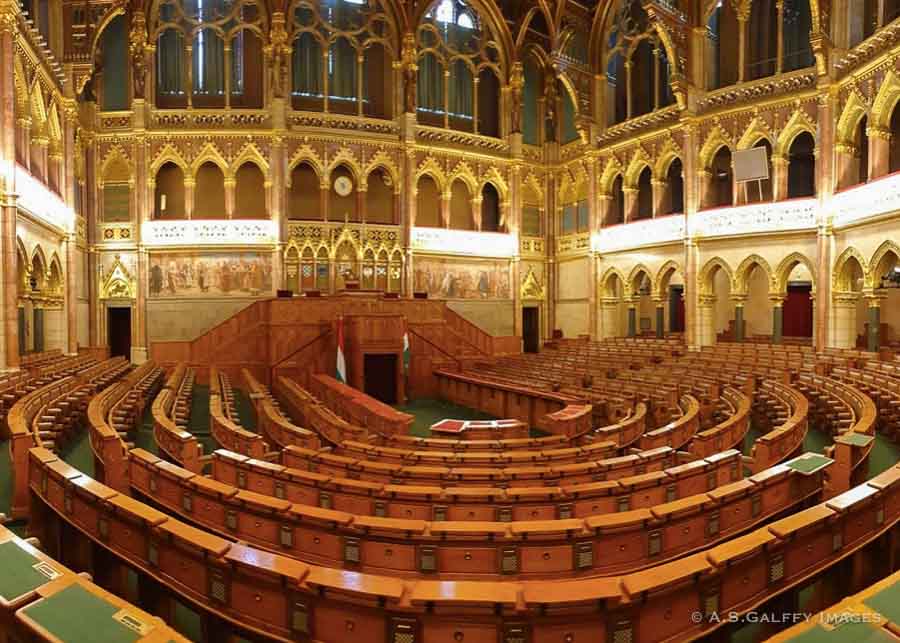
The city’s most important sites (the Hungarian Parliament, Széchenyi and Gellért Thermal Baths) regularly sell out, especially in summer and around holidays. The Parliament is particularly difficult to get in, because it only admits visitors on guided tours, and tickets must be booked online ahead of time.
For the baths, booking online also lets you choose your time slot and often gets you a small discount over the door price. Don’t leave these for the day of your visit, or you may arrive to find nothing available. And if you are planning to visit the baths, here are some items to bring with you:
Swimsuit — required; some baths rent them but selection is limited
Flip-flops — mandatory in changing rooms and wet areas
Swimming cap — required in the pools; available to buy on-site if you forget
Cash — some baths still don’t accept cards for locker deposits
Where to Stay in Budapest
There are many options for lodging in Budapest, from very reasonably priced apartments, to bed-and-breakfasts, hotel rooms, and hostels. You can choose to stay in Buda or in Pest, depending on your tastes and interests. In this respect I wrote a very detailed travel guide about where to stay in Budapest if you need further information.
To find the best deal and compare prices on several sites like Hotels.com, Expedia, or Booking.com, which also have travelers reviews.
Another good option to keep in mind if you need more than just a hotel room, is VRBO (Vacation Rental by Owner. Budapest has a great deal of inexpensive apartments for rent if you are traveling with a big party.
A Final Thought
I hope the information in this travel guide makes your trip to Budapest more enjoyable and stress-free. We visit Hungary’s capital every year, and I update this guide regularly to make sure everything you read here is accurate and current.
Budapest is one of those cities that gets under your skin. The first time I went, I thought a few days would be enough. Twenty years later, I’m still going back, still discovering new neighborhoods, new restaurants, and new reasons to love it. I hope you fall for it just as hard.
If you have questions or if something has changed since my last visit, drop a comment below. I read every one of them.
YOU MAY ALSO LIKE THESE:
10 Interesting About Budapest That You May Not Know
Best Traditional Hungarian Restaurants in Budapest
Prague vs Budapest: How to Decide Which One to Visit
How to Spend a Magical Holiday in Budapest
Best Hungarian Souvenirs to Buy from Budapest





SJ
I never made it to the gardens when I was there – damn, looks like I have to go back. Thanks for linking up with us for SundayTraveler.
Olga
I’ve always heard that Budapest is the most gorgeous city in Eastern Europe, and that it even outshines Prague, which is my favourite city.
I’m moving to Berlin in the near future, so I think I’ll make a train trip to Budapest for one week or something to see the famous city with my own eyes!
http://www.therussianabroad.com
Anda Galffy
I’m sure Budapest will not disappoint you, Olga.
Jess
I’ve never been to Budapest, but I feel like it’s the kind of city I could easily be comfortable in – beautiful, historic, and filled with interesting things to see.
Corinne
I love, love, love Budapest as well. I want to go back and ride the Children’s Railroad in the summer! Thanks for the UNESCO tip!
Sabastian Laurent
I love all of the architectural photos you have. Thanks for the tip about hailing taxi’s. Nobody likes to be ripped off.
Anda Galffy
Thanks, Sebastian, hope you found the information useful.
Elaine J. Masters
Budapest is high on my bucket list. Can’t wait to see it and hopefully soon.
Milosz Zak
Hungarians need to get rid of their President – he’s doing everything to undermine nearby Ukraine, because some of the territory once belonged to Hungary. Just recently, when Merkel came to visit, everyone turned out in Budapest in support of her vision of a united Europe, and against Orban’s divisiveness – that is still not a strong enough message to that demagogue.
melody pittman
Great post. This is either #1 or #2 (changes weekly) on my bucket list! Hope to get there in 2016. Loved all the history about the country and will certainly save for my travels there. Love the changing photos. Clever.
Meg @ Mapping Megan
Budapest for me was also love at first sight! Such an underrated city, and so breathtakingly beautiful with so much to offer! Thanks for this great write up!
Anda Galffy
I think people are just starting to discover this great city.