
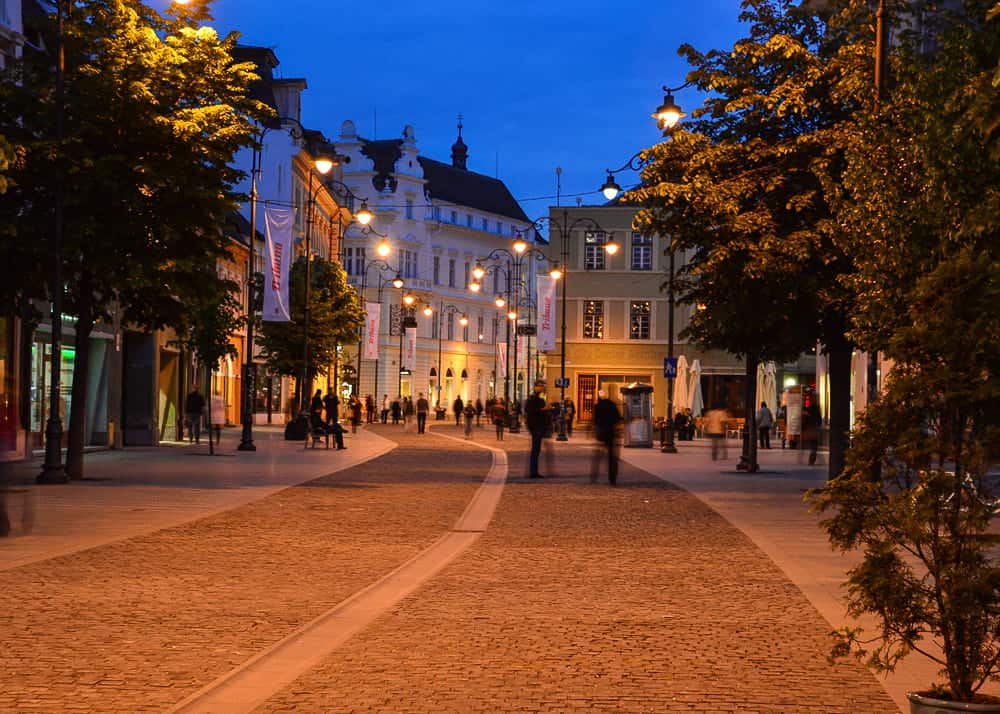
You may have heard a lot about Europe’s capital darlings and probably not all of it sounded appealing: over-tourism, inflated prices, and areas that feel unsafe. Well, forget the idea that Europe is only about Paris, Rome, or Barcelona. Yes, they are beautiful and worth seeing at least once, but they are not the whole story. There are countless underrated cities in Europe waiting to surprise. If you have been dreaming of an authentic Europe but are tired of crowds, tourist traps, and cities that feel more like stage sets, you’ve come to the right place.
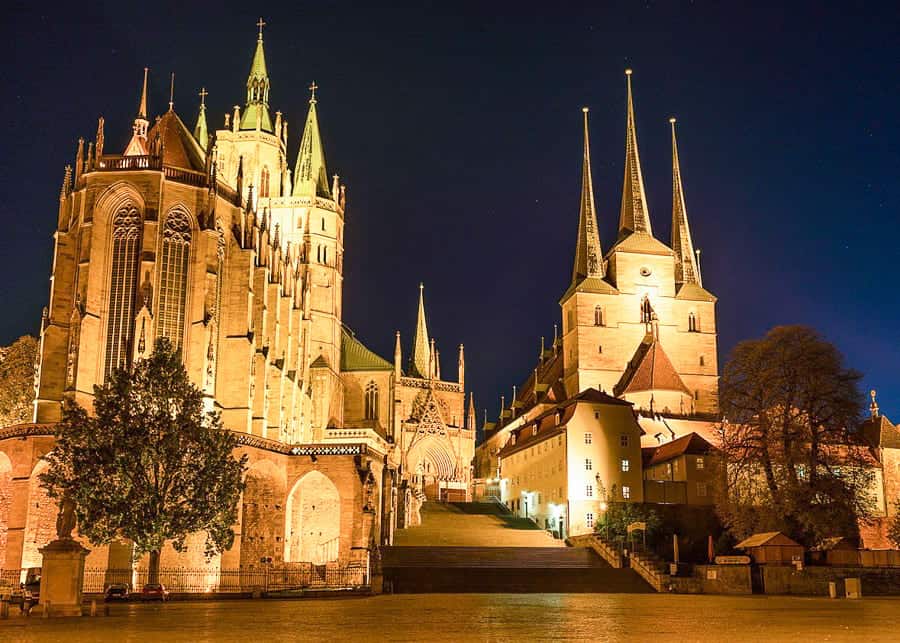
In this article I’ll give you a list of European cities that often fly under the radar and haven’t been affected by overtourism. Places where life seems more relaxed and cafés still feel genuinely local. Where you can slow down, hear the local language in the streets, and feel like you have discovered something special, while helping travel become more sustainable. These cities rarely make it to the top of the bucket lists. And yet they are often the places where you feel most at home as a traveler. So let’s leave the usual suspects behind and wander through the corners of the continent where life still moves at a human pace, prices are more decent, and culture feels authentic.
Underrated Cities in Europe at a Glance
| City | Country | Best For | Trip Length | Budget |
|---|---|---|---|---|
| Ljubljana | Slovenia | Green, relaxed capital with easy access to lakes and mountains | 2–3 days | Mid-range |
| Zadar | Croatia | Quieter Adriatic city with islands and national parks nearby | 2–3 days | Mid-range |
| Sibiu | Romania | Medieval charm, culture festivals, and mountain day trips | 2–3 days | Budget-friendly |
| Bologna | Italy | Food lovers and repeat Italy visitors wanting a lived-in city | 2–3 days | Mid-range |
| Trieste | Italy | Café culture, sea views, and layered Central European history | 2–3 days | Mid-range |
| Ghent | Belgium | Medieval architecture with a creative, student-driven edge | 2–3 days | Mid-range |
| Girona | Spain | History lovers and slow travelers near Barcelona and the coast | 2–3 days | Mid-range |
| Brno | Czech Republic | Prague’s atmosphere with more locals and fewer tour groups | 2–3 days | Budget to mid-range |
| Riga | Latvia | Architecture, coffee, and a hint of Baltic creative energy | 2–3 days | Budget to mid-range |
| Bratislava | Slovakia | A compact capital to add to a Vienna–Budapest–Prague route | 1–2 days | Mid-range |
Why Visit Underrated Cities in Europe?
Travel in Europe doesn’t have to mean following the same few routes that everyone else is taking. The most overlooked cities in Europe are often the ones that stay with you long after the big monuments have faded from your memory. They’re the cities where you remember your morning coffee spot. Or the quiet side street you walked every day and the people who had time to talk to you.
Yes, there may be fewer grandiose monuments and famous sights. But there will be more small moments: like the sound of church bells on a Sunday morning. Or the smell of fresh bread from a corner bakery and the view from a hilltop no one seems to know about. Those are the things that make a journey feel personal.
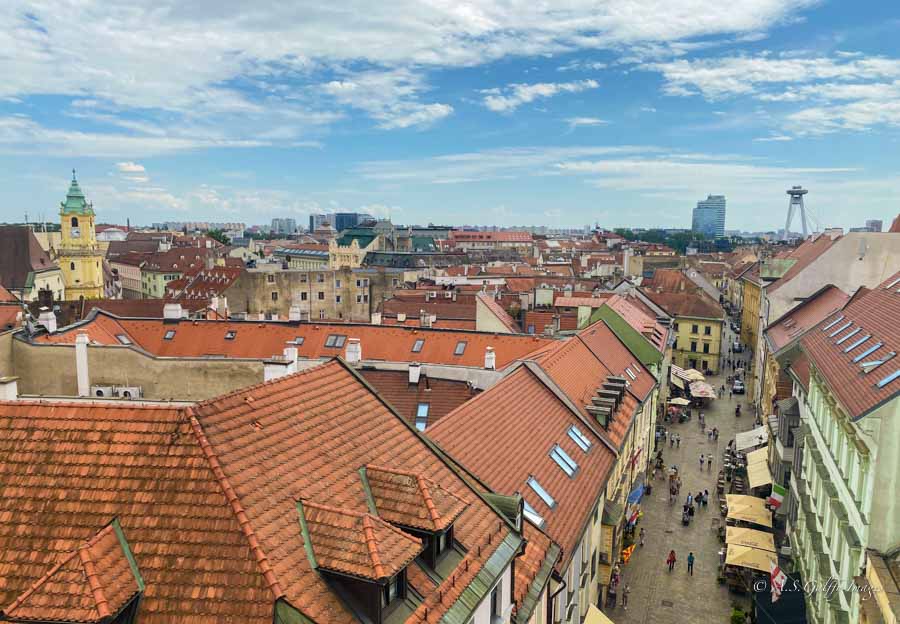
So next time you plan a trip to Europe, consider giving at least one or two of these underrated cities a chance. You may discover that far from being “second best,” they are exactly the kind of places you were looking for all along.
10 Underrated Cities in Europe You’ll Absolutely Love
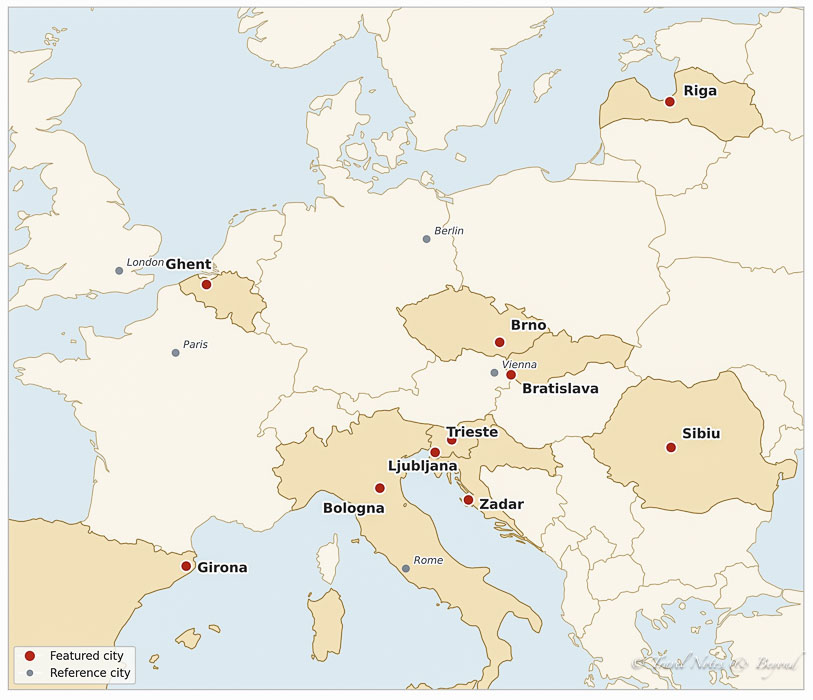
1. Ljubljana, Slovenia – a Fairytale City Without the Crowds
You may not hear Ljubljana mentioned in the same breath as Prague or Vienna. But that is exactly why this small Slovenian capital is one of the most overlooked cities in Europe. It has all the charm, and almost none of the chaos the other two share. Ljubljana is one of the most underrated cities in Europe for travelers who want nature and culture in a small package.
The old town is the prettiest part of Ljubljana. It stretches along the Ljubljanica River, with café terraces by the water. A few bridges, including the Triple Bridge, lead into cobbled streets and pastel buildings. You’ll also find quiet squares, church towers, and Baroque facades. At the top of the hill, sits Ljubljana Castle which you can easily reach by funicular. You can also walk up to it if you don’t mind the short but fairly steep path.
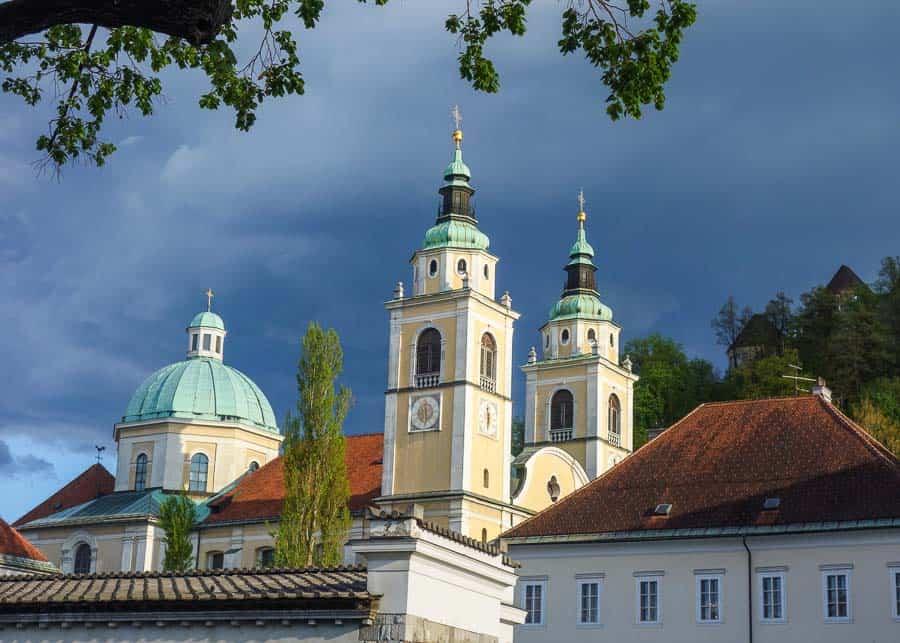
Ljubljana feels both relaxed and young. Students gather in the riverside bars, cyclists pass by on their way to class or work, and locals sit outside with their coffee even when it’s a bit chilly. The center is mostly car-free, which makes it very walkable and gives the city a calmer rhythm.
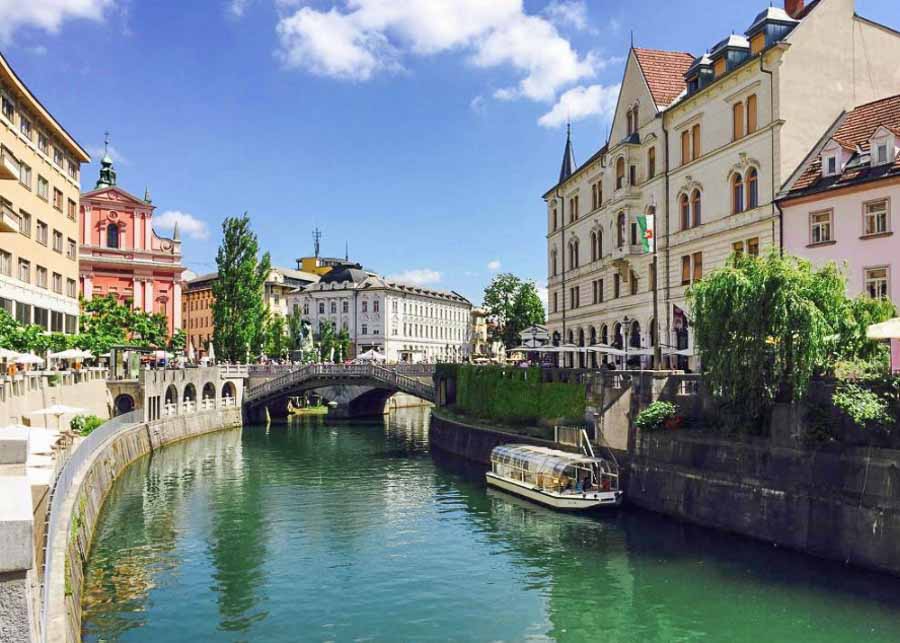
You won’t find many big attractions here. Instead, Ljubljana grows on you slowly, with evening strolls along the river, simple boat rides, and unhurried lunches at outdoor tables. When you feel like getting out into nature, the Alps and Lake Bled are close enough for an easy day trip. It’s the kind of place you might arrive in without big expectations and leave wondering why more people don’t talk about it.
Trip Snapshot
Best for: Travelers who want a green, relaxed capital with easy day trips to lakes and mountains.
Ideal trip length: 2–3 days, longer if you’re using it as a base for Slovenia.
Best time to visit: April–May and September–October for mild weather and fewer crowds.
Cost estimate: Mid‑range by Central European standards, cheaper than Vienna or Munich.
2. Zadar, Croatia – Sunsets, Sea Air, and a Softer Side of the Adriatic
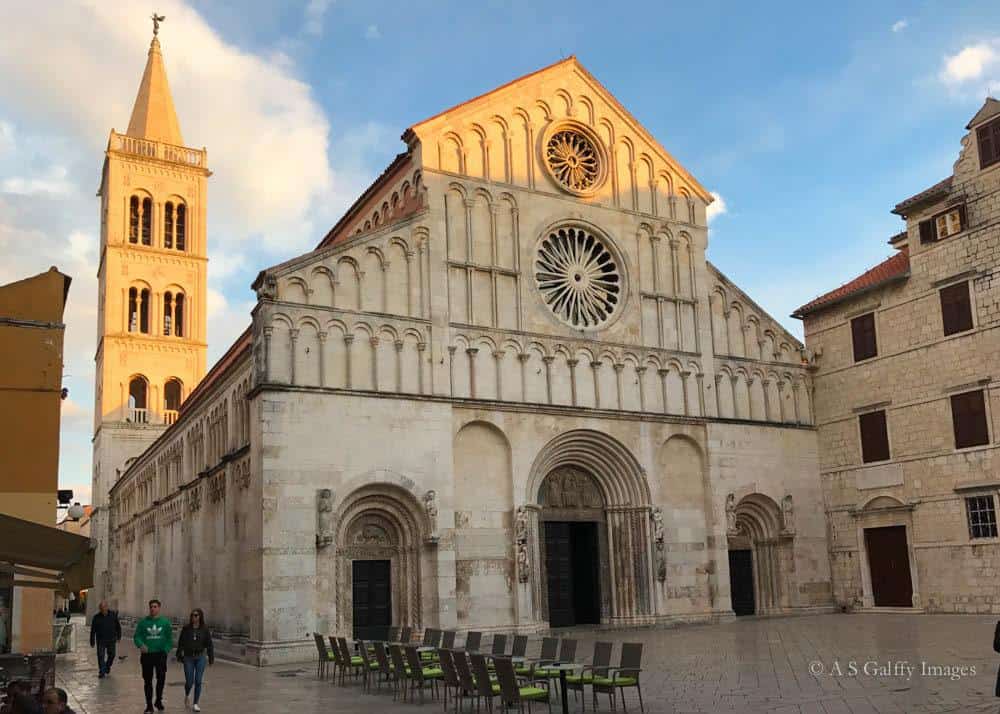
Zadar sits on a small peninsula on Croatia’s Adriatic coast, but it feels calmer than many of its more famous neighbors. The old town is a tangle of stone streets, Roman ruins, and churches that open onto sea views, with locals pushing strollers past layers of history that would be big‑ticket attractions elsewhere. You wander out to the waterfront and find two of Zadar’s most unusual “sights”: the Sea Organ, where waves play notes through hidden pipes, and the Sun Salutation, where the pavement itself becomes a glowing light show at dusk.
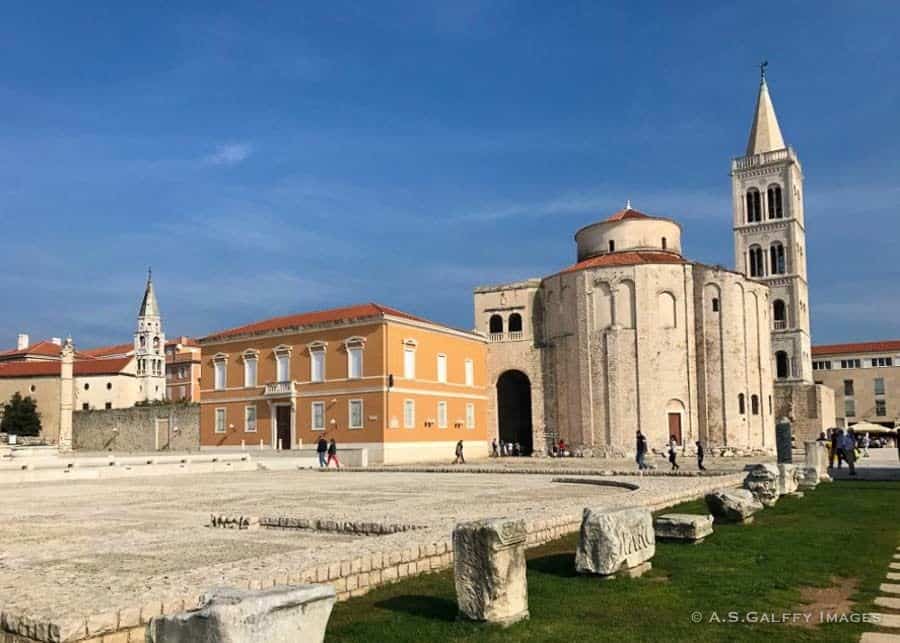
Despite these playful touches, Zadar still feels like a real port town rather than a resort. Ferries come and go, people meet for evening walks along the promenade, and you are never far from a café with strong coffee and a view of the water. It makes a great base for island‑hopping or day trips to national parks, but the city itself deserves slow mornings and long evenings. If you’ve been curious about the Dalmatian coast but put off by the idea of cruise crowds, Zadar offers a softer, more spacious introduction.
Trip Snapshot
Best for: Travelers who want a quieter Adriatic city with easy access to islands and national parks.
Ideal trip length: 2–3 days, plus extra if you’re using it as a base for boat trips.
Best time to visit: May–June and September for warm sea air, swimmable water, and fewer high‑season crowds.
Cost estimate: Mid‑range; cheaper than the most famous Croatian hotspots, especially outside peak summer.
3. Sibiu, Romania – Colorful Facades and a Creative Spirit
Sibiu is a beautifully preserved medieval Saxon town that somehow still flies under the radar of mainstream European tourism. Its cobbled streets, “houses with eyes,” grand squares, and pastel facades feel authentic and lived‑in, not like a stage set taken over by tour groups.
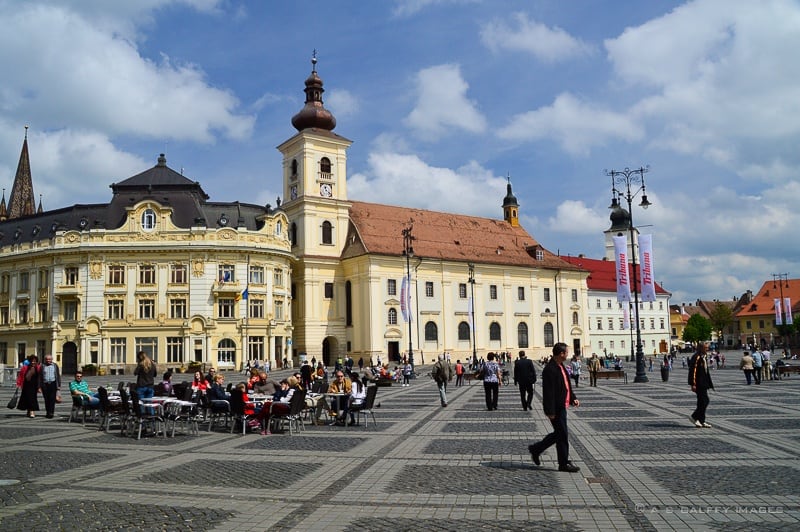
What makes Sibiu truly underrated is how much it offers in such a compact, walkable package: serious culture (it was a European Capital of Culture), excellent museums, cafés tucked into old vaulted cellars, the legendary Bridge of Lies, and quick access to the dramatic Făgăraș Mountains and Transfăgărășan Road. You get the charm and depth of a classic European city break, but with the rare feeling that you’ve discovered it just a little before everyone else.
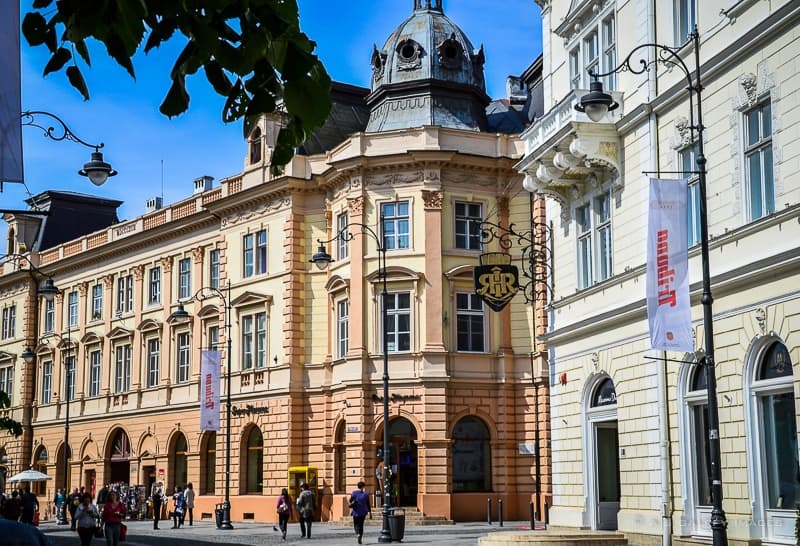
It is also packed with attractions that would make any bigger‑name city proud: the Great Square and Little Square, the photogenic Bridge of Lies, the Gothic Lutheran Cathedral you can climb for sweeping views, and the Brukenthal National Museum, one of Romania’s most important art collections. Add in the open‑air ASTRA Museum just outside town, where traditional houses from all over Romania sit around a lake, and you have a city that offers deep culture and atmosphere yet still feels like a discovery.
Trip Snapshot
Best for: Lovers of medieval towns, culture festivals, and off‑the‑radar city breaks.
Ideal trip length: 2–3 days, plus a day trip into the countryside or the Făgăraș Mountains.
Best time to visit: May–June and September–early October for pleasant temperatures and stable weather.
Cost estimate: Budget‑friendly, with very reasonable prices for food, lodging, and museums.
4. Bologna, Italy – The Most Underrated Food City in Italy
Bologna rarely tops first‑timer lists, which is exactly why it belongs among Europe’s most underrated cities. It’s a university town with miles of red‑brick porticoes, towers that lean at unlikely angles, and markets that look like they’ve been feeding the city for centuries. You walk under the arcades, past delis stacked with hams and wheels of cheese, and it feels less like a stage set and more like you’ve been dropped into a neighborhood that was busy long before you got there.
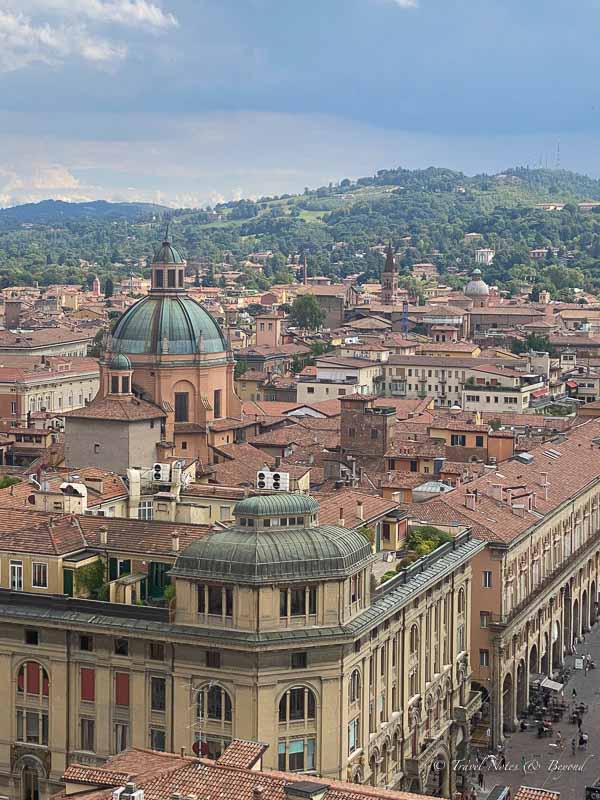
The heart of it all is Piazza Maggiore, with the half-finished facade of San Petronio on one side and the Two Towers leaning over the rooftops nearby. Wander into the Quadrilatero, the old market lanes just off the square, where shops sell mortadella, tortellini, parmigiano, and pasta still being rolled out in the windows.
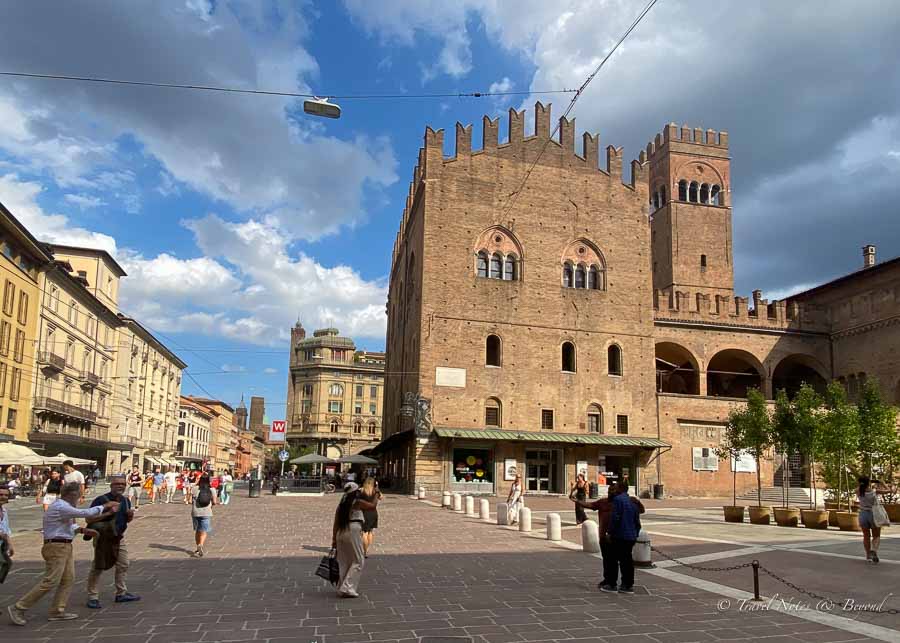
The old center is dense and walkable, but Bologna doesn’t perform for you in the same way some Italian cities do. Students spill out onto squares, locals shop for dinner ingredients in the late afternoon, and aperitivo seems to happen everywhere at once. This is a city where you remember what you ate, the echo of footsteps under the porticoes, and the climb up a tower for views over terracotta rooftops. If you want Italy that is both deeply delicious and reassuringly normal, Bologna is hard to beat.
Trip Snapshot
Best for: Food‑obsessed travelers and repeat Italy visitors who want a working, lived‑in city.
Ideal trip length: 2–3 days, or longer if you use it as a base for day trips in Emilia‑Romagna.
Best time to visit: March–June and September–October for comfortable temperatures and fewer summer closures.
Cost estimate: Mid‑range; more affordable than Venice or Florence, especially for food and accommodation.
5. Trieste, Italy – Italy Hidden Gem With a Twist of Central Europe
For many travelers, Italy means Rome, Florence, or Venice. Trieste sits quietly in the northeast corner, squeezed between the Adriatic Sea and the Slovenian border, and yet it is one of the most fascinating, most underrated cities in Europe.
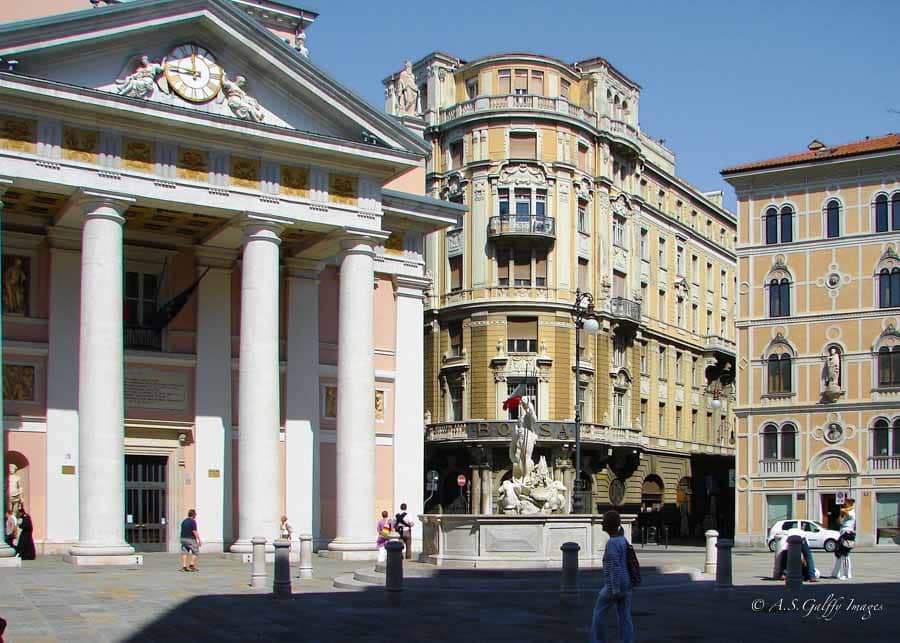
Trieste does not look like the rest of Italy. It was once a major port of the Austro-Hungarian Empire, and that legacy is written in its grand squares and elegant, slightly faded palaces. Piazza Unità d’Italia opens right onto the sea, one of the largest seafront squares in Europe, framed by ornate 19th-century buildings and a backdrop of green hills.
What makes Trieste special is its blend of cultures. Italian, Slovenian, and Central European influences mix in its architecture, food, and even its coffee culture. This is a city of historic cafés with marble tables and mirrored walls, where writers once lingered for hours. You sit down for an espresso and suddenly feel as though you have stepped into a novel from another time.
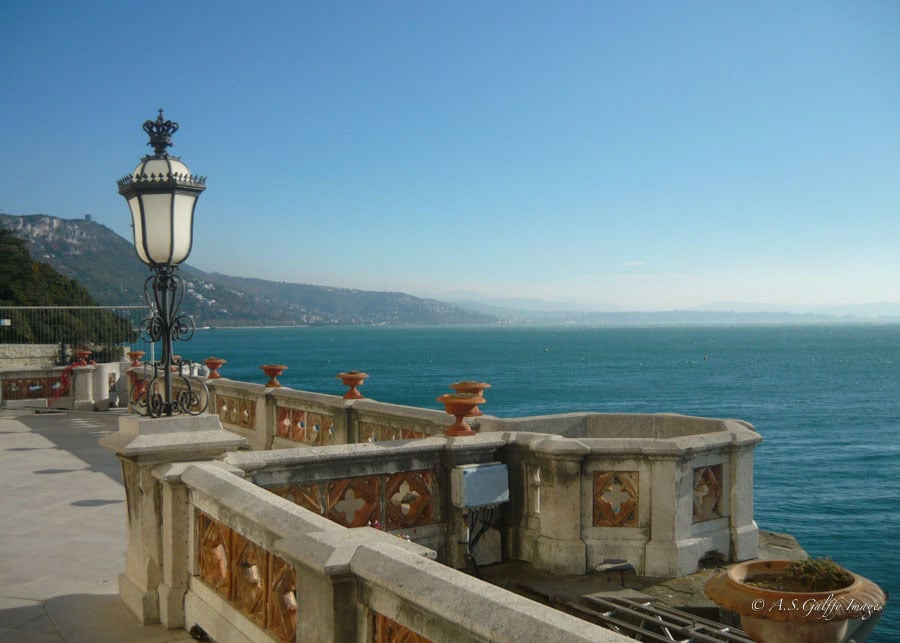
The atmosphere is both melancholic and quietly vibrant. You can stroll along the waterfront, climb up to the hilltop cathedral of San Giusto for a panoramic view, or take a short trip to Miramare Castle, a white fairy-tale residence perched above the sea. Trieste doesn’t shout. It whispers, and rewards those who listen.
Trip Snapshot
Best for: Italy fans who think they’ve seen it all and love cafés, sea views, and layered history.
Ideal trip length: 2–3 days, more if you add Miramare Castle and the Karst region.
Best time to visit: May–June and September for comfortable seaside weather without peak Adriatic crowds.
Cost estimate: Mid‑range; generally cheaper and less pressured than Venice or the big Italian art cities.
6. Ghent, Belgium – Medieval Charm Without the Bruges Crowds
Bruges gets all the attention in Belgium, but Ghent may be the city you end up loving more. With its network of canals, stepped-gable houses, and impressive churches, it easily qualifies as one of the most underrated cities in Europe.
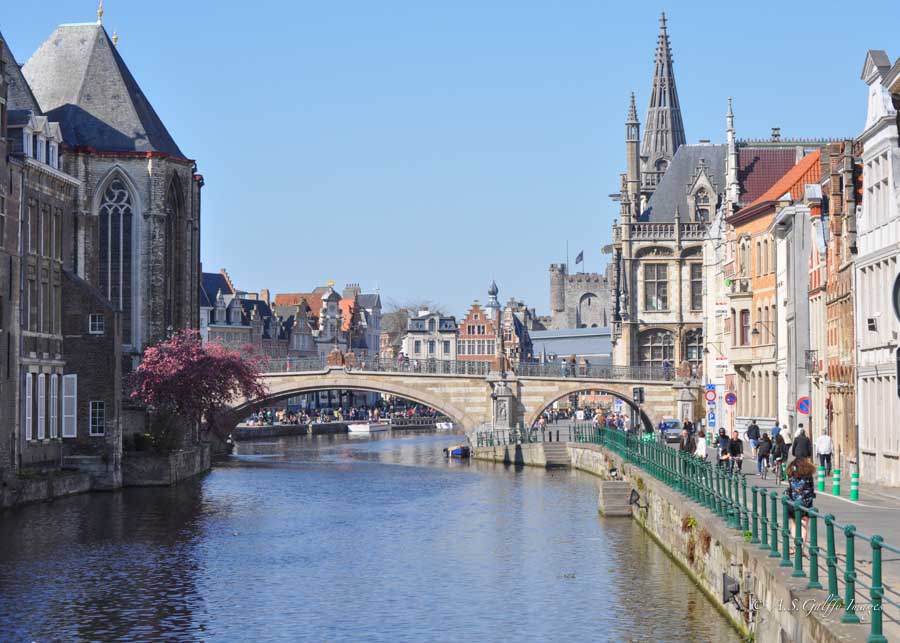
Ghent’s historic center is dense with landmarks. You have the towering Saint Bavo’s Cathedral with its famous altarpiece, the massive medieval Gravensteen Castle right in the middle of the city, and row after row of handsome guild houses along the Graslei and Korenlei quays. At night, thoughtful lighting turns the historic core into a softly glowing stage for evening walks.
But Ghent is not a museum piece. It’s a living, breathing city with a strong student population, a well-known vegetarian food scene, and a lively calendar of festivals. You can wander from a 14th-century cloister to a contemporary art gallery in a former industrial space, then end your day in a cozy pub sampling Belgian beers alongside locals.
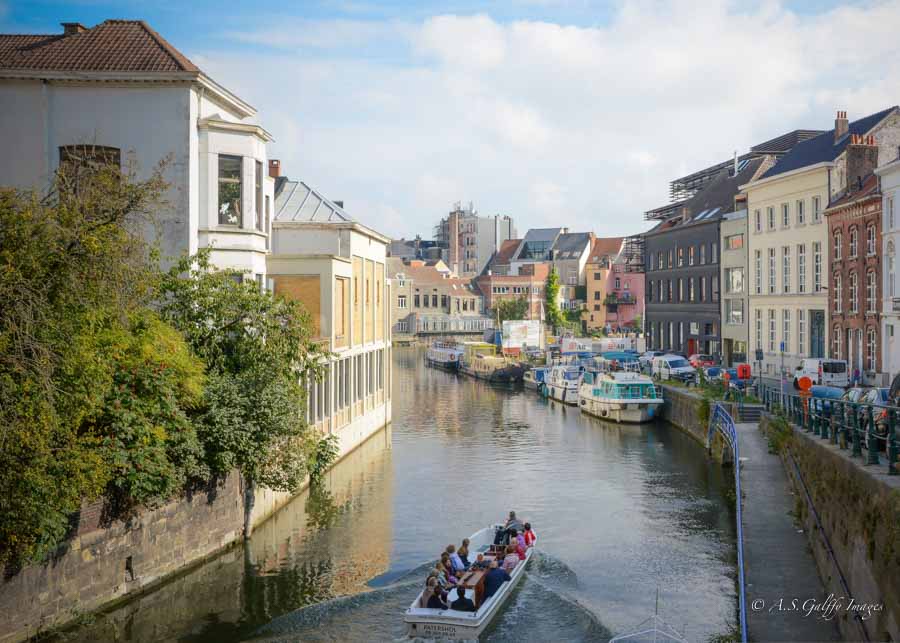
Compared to Bruges, Ghent feels less curated and more real. You still get the canals, the cobblestones, and the gothic towers, but you also see street art, everyday neighborhoods, and people going about their lives. It’s a city that lets you slip easily between past and present.
Trip Snapshot
Best for: Travelers who like medieval architecture with a creative, student‑driven edge.
Ideal trip length: 2–3 days, or a long weekend combined with Bruges or Brussels.
Best time to visit: April–June and September for softer light on the canals and fewer summer holiday crowds.
Cost estimate: Mid‑range to slightly expensive, similar to other Belgian cities but with good value in food and culture.
7. Girona, Spain – History, Hills, and a Taste of Catalonia
Many travelers rush through Girona on their way to the Costa Brava or Barcelona, but few take the time to visit it.
Girona’s old town rises on a hill above the Onyar River, its colorful houses reflected in the water like a row of slightly crooked postcards. Stone staircases lead you through a labyrinth of medieval streets, Romanesque churches, and shady little squares. You can walk along the ancient city walls for sweeping views over the rooftops and the surrounding countryside.
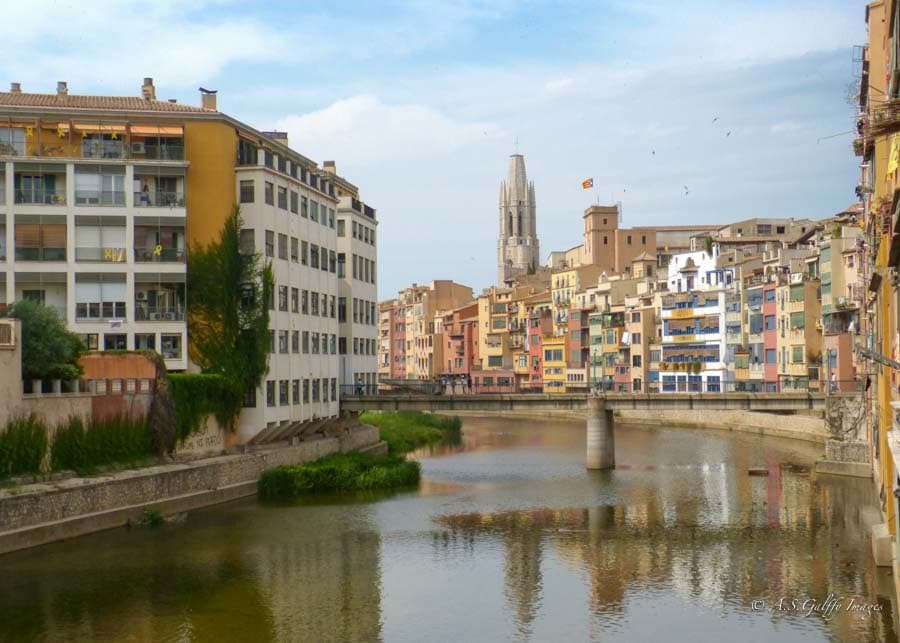
There is a quiet intensity to Girona. The Jewish Quarter is one of the best-preserved in Europe, with narrow alleys and centuries of layered history. Yet just a few steps away, you find lively tapas bars, bakeries, and ice cream shops. The city feels both intimate and substantial, with enough to see and do for several unhurried days.
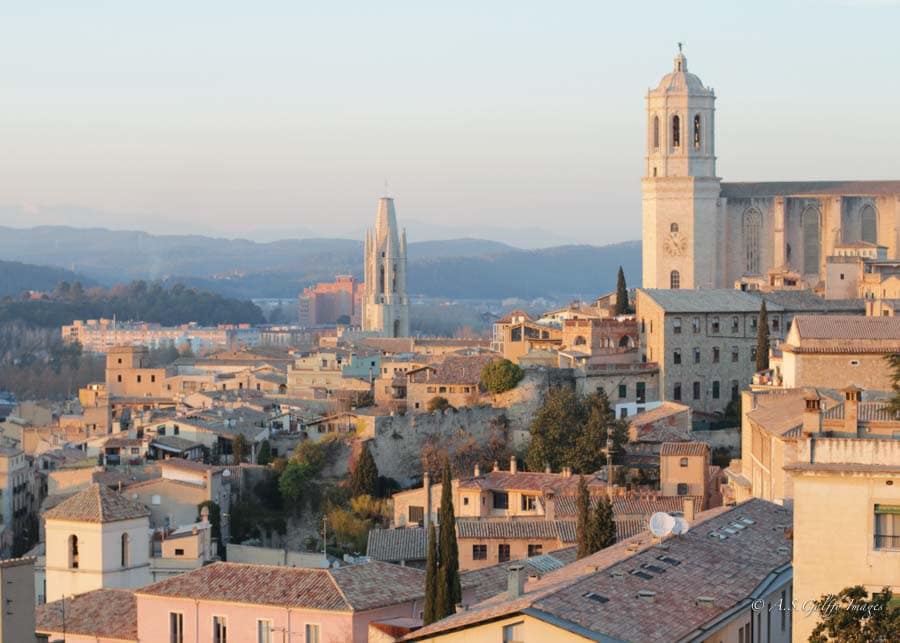
Girona is also a perfect base for exploring other attractions in the area. Like the beaches and coves of the Costa Brava, the Roman Ruins of Empúries, or Tossa De Mar. But unlike many coastal towns, Girona keeps its character year-round. You come back in the evening, cross one of the iron bridges over the river, and feel that satisfying sense of returning “home” to your temporary city.
Trip Snapshot
Best for: History lovers and slow travelers who want a base between Barcelona and the Costa Brava.
Ideal trip length: 2–3 days in the city, plus extra days for coastal or countryside day trips.
Best time to visit: April–June and September–October for warm, stable weather and manageable tourist numbers.
Cost estimate: Mid‑range; cheaper than Barcelona, especially for accommodation and meals
8. Brno, Czech Republic – Prague’s Cooler, Younger Sibling
Prague is one of Europe’s great cities, but it is no longer a secret. Brno, on the other hand, still flies under the radar, making it one of the most attractive yet underrated cities in Europe.
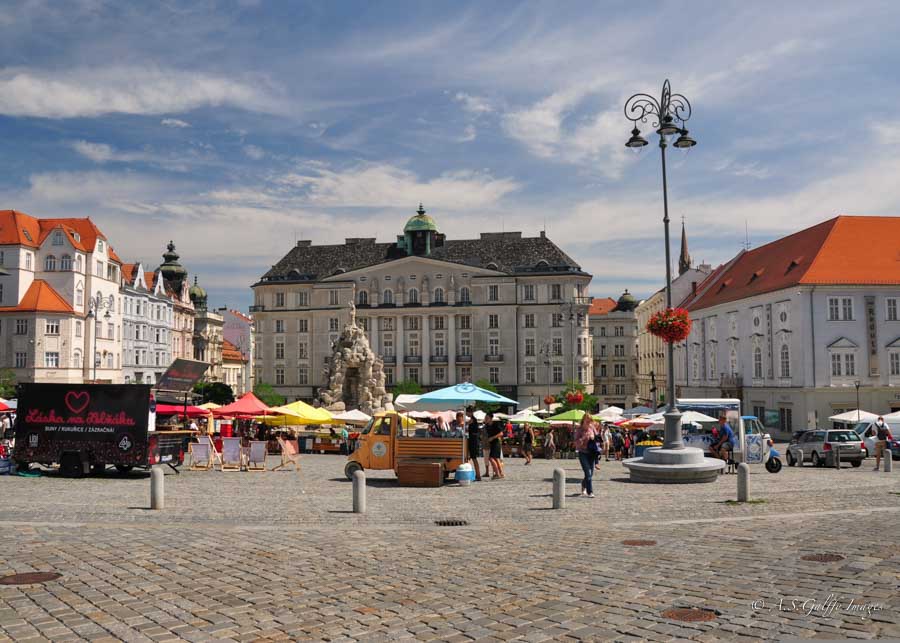
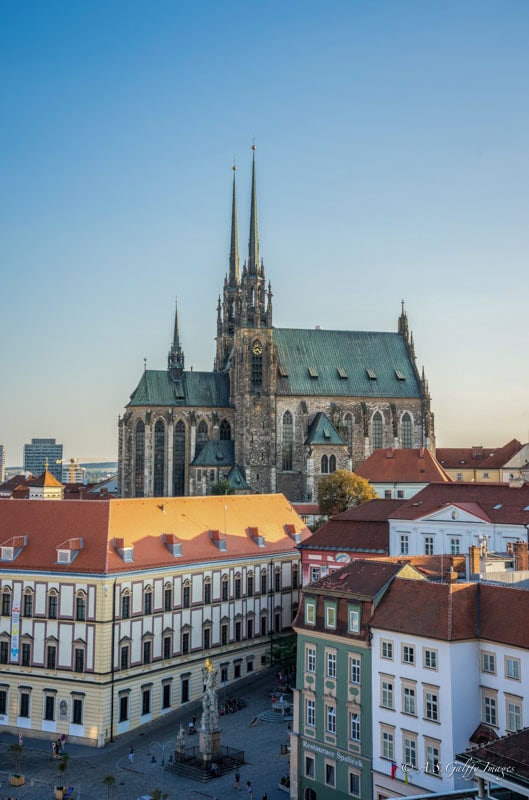
Located in the Moravia region, Brno has its own distinct personality. The skyline is marked by the twin spires of the Cathedral of Saints Peter and Paul and the solid silhouette of Špilberk Castle on a hilltop. The center is compact and walkable, full of lively squares, functionalist buildings, and quirky public art.
Brno has a strong student and tech scene, which gives it a youthful, slightly alternative feel. Cafés serve excellent coffee, craft beer bars are everywhere, and there is no shortage of small galleries and independent shops. The city is also known for its modernist architecture, especially the UNESCO-listed Villa Tugendhat, a masterpiece of functionalism.
What you won’t find here is the overwhelming density of tourists that characterizes Prague in high season. You can sit in a square, watch families and students pass by, and feel like you are sharing the city with locals rather than with bus tours. Brno may not have the grand reputation of the capital, but for many travelers that is precisely its charm.
Trip Snapshot
Best for: Fans of Prague who want the same atmosphere with more locals, more cafés, and fewer tour groups.
Ideal trip length: 2–3 days, or a stop of a couple of nights on a longer Central Europe route.
Best time to visit: May–June and September for lively outdoor life and comfortable evenings on the squares.
Cost estimate: Budget‑friendly to mid‑range, noticeably cheaper than Prague for stays and eating out.
9. Riga, Latvia – The Underrated Baltic City of Northern Europe
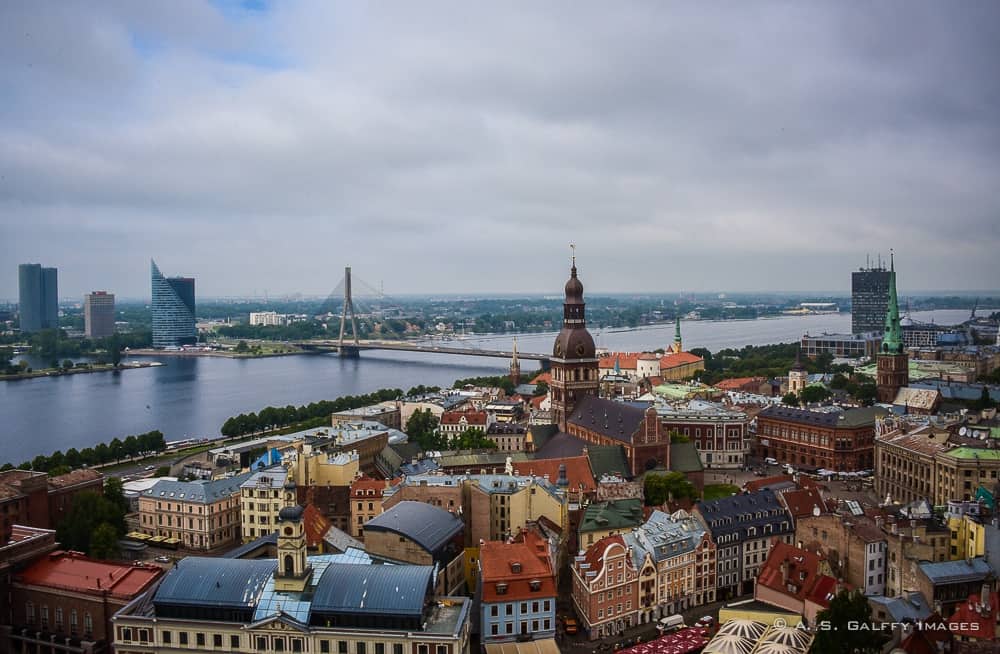
Riga is the kind of city you might have to point out on a map at first, and that’s part of its charm. The Latvian capital sits on the Daugava River, where art nouveau façades, wooden houses, and a solid Hanseatic old town all somehow manage to coexist. You start in Riga’s historic center, among church spires and colorful squares, then wander into neighborhoods of flowing, decorative buildings that look like someone sketched them with a particularly romantic pen.
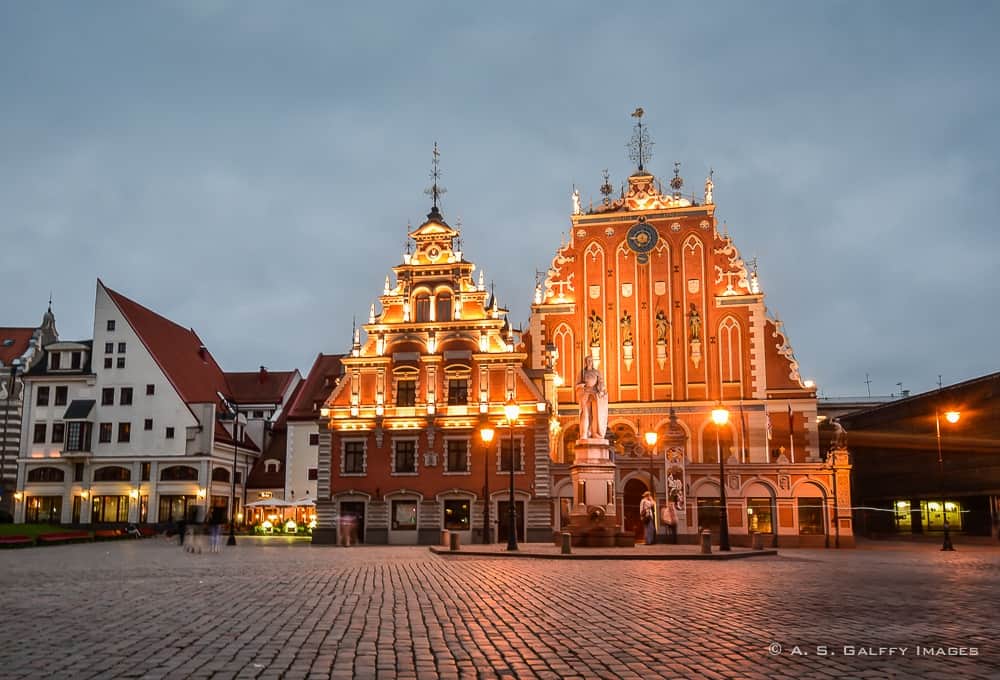
What makes Riga so underrated is that it combines this architectural richness with a slightly gritty, creative energy. There are markets in old warehouses, design shops in former apartments, and cafés that feel like living rooms. On a chilly day you duck into a coffee bar or a traditional restaurant, and it feels like the city closes around you in a good way. In summer, everyone seems to move outside, to riverbanks, terraces, and even the nearby seaside at Jūrmala. Riga is substantial enough to keep you busy, but still small enough to feel like a discovery rather than a checklist stop.
Trip Snapshot
Best for: Travelers who like architecture, coffee, and a hint of Baltic melancholy with their culture.
Ideal trip length: 2–3 days, longer if you pair it with Jūrmala or other Baltic cities.
Best time to visit: May–September for long evenings, outdoor life, and the Baltic Sea at its most inviting.
Cost estimate: Budget‑friendly to mid‑range, with good value compared to Western Europe.
10. Bratislava, Slovakia – a Compact Capital Among Underrated Cities in Europe
Bratislava often slips under the radar, because of its glamorous neighbors Vienna, Budapest, and Prague. Yet the capital city of Slovakia has one of the most attractive old towns in Europe, a hilltop castle and streets where local life hasn’t been taken over by tourism.
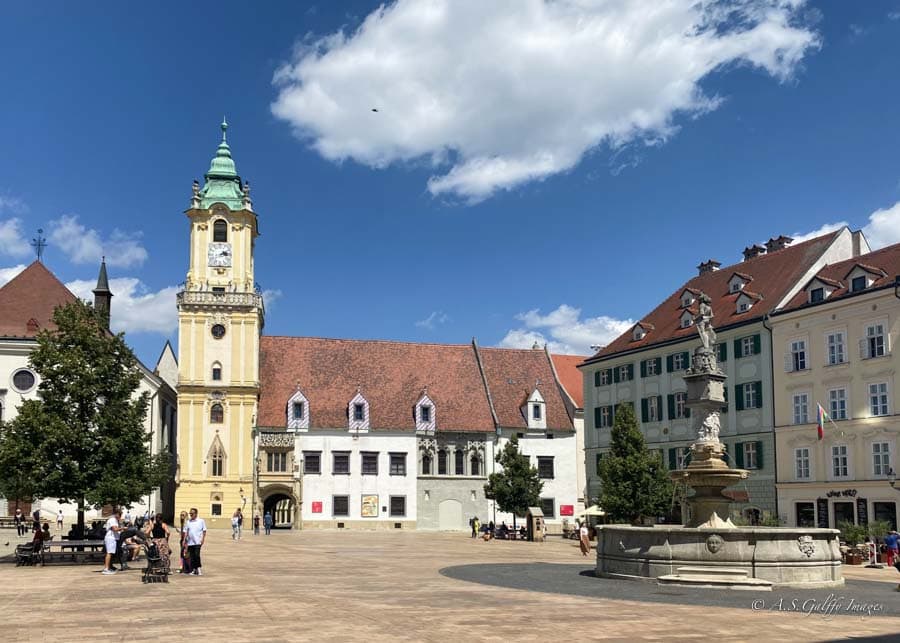
The historic center is a maze of cobbled lanes, pastel façades, and cozy cafés where you can linger over coffee or a glass of local wine. You can stroll along the riverside promenade, climb up to Bratislava Castle for wide-open views, then wander back down into the old town for dinner on a pedestrian street that still feels pleasantly lived-in.
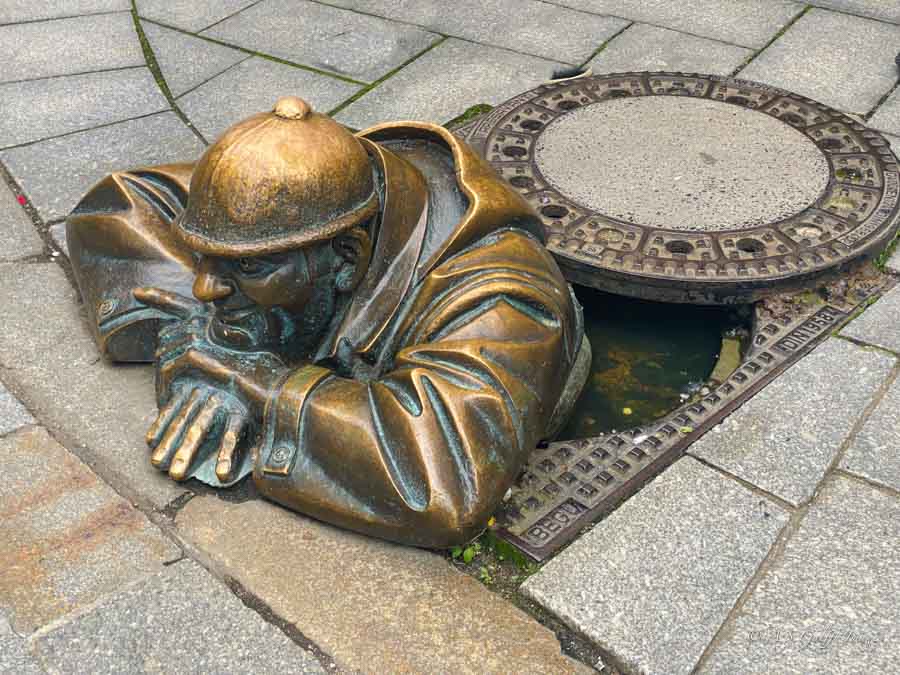
With generally friendlier prices than many Western European capitals and easy connections to Vienna, Budapest, and Prague, Bratislava is a simple addition to a classic Central Europe route that instantly makes your trip feel more personal and a little ahead of the curve.
Trip Snapshot
Best for: Travelers looking to add one compact, walkable capital to a Vienna–Budapest–Prague itinerary.
Ideal trip length: 1–2 days, or a relaxed long weekend if you like unhurried wandering.
Best time to visit: May–June and September–early October for terrace weather without river‑cruise peaks.
Cost estimate: Mid‑range but still better value than many Western European capitals.
How to Choose Which of These Overlooked Cities to Visit
With so many options, how do you decide which of these underrated cities in Europe belong on your list? In truth, you can’t really go wrong with any of them. But a few questions can help you narrow it down, so ask yourself:
- Do you prefer smaller, walkable cities, or do you enjoy a slightly bigger urban environment?
- Are you more drawn to history, food, or nature?
- Do you want somewhere that feels relaxed and quiet, or a place with a stronger nightlife and cultural scene?
If you love mountain landscapes and cozy old towns, Bratislava or Ljubljana may be your best match. If you want color, culture, and a dash of Central European flair, Brno or Bologna could be ideal. For a more Mediterranean vibe with a twist, Trieste, Girona, or Zadar might be perfect. And if you’re chasing medieval charm with a contemporary edge, Ghent or Riga will not disappoint.
Practical Tips for Visiting These Cities
- Use trains and buses to link most of these stops; the old towns are compact enough that you can walk almost everywhere once you arrive.
- Aim for shoulder‑season travel in late spring or early autumn so you get café life and decent weather without the worst of Europe’s crowds or heat.
- Mix these underrated cities between bigger names like Vienna, Budapest, or Barcelona to slow your pace and recover from overtouristed spots.
- Look for locally run guesthouses or apartments in or near the historic center for the best balance of price, character, and convenience.
Frequently Asked Questions
Yes. Many of them are linked by direct trains or buses, especially in Central Europe. You can easily string two or three together on a 10–14 day itinerary.
They work well if you pair them with one or two big‑name cities. You still see the famous sights but balance them with quieter, more local places.
In all of these cities you’ll find at least basic English in hotels, restaurants, and tourist areas. Learning a few local phrases still goes a long way.
They’re generally great for families because they are walkable, less hectic, and often have parks, riverfronts, and car‑free old towns.
 Is Cinque Terre Worth Visiting? What to Know Before You Go



Tanja
I recently visited Wroclaw in Poland and I’d add it to this list. I don’t think that Zadar belongs here, it is too crowded in summer like the rest of the Adriatic coast but if you visit it off season then it is all right.
Anda
Zadar must have changed since some years ago when we first visited it. I guess we, travel bloggers, are partly responsible for it, lol!