
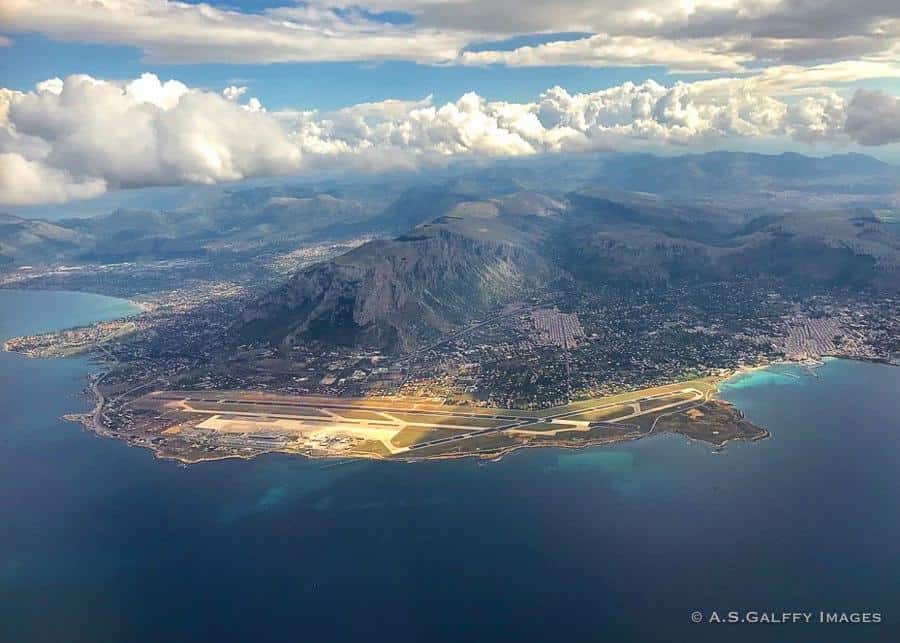
A first-timer’s 7-day Sicily itinerary that loops the island clockwise from Palermo to Catania.
This itinerary covers roughly 600 km of cities, ancient ruins, and coastline and is best driven in late spring or early fall.
If you are planning a trip to southern Italy, this Sicily Itinerary is one you won’t want to overlook. Much like Palermo itself, Sicily is a place of contradictions—raw yet refined, chaotic yet captivating. It’s not always polished, and that’s exactly the point. Over seven days, you’ll uncover a land full of history, wrapped in dramatic landscapes, and brought to life by cities that feel both ancient and electric. Sicily doesn’t try to impress you. It simply exists in its own unapologetic way, and that’s what makes it unforgettable.
Quick Answer
A perfect one-week Sicily itinerary covering 8 stops in a clockwise loop starting and ending in Palermo: Day 1 Palermo → Day 2 Monreale & Cefalù → Day 3 Agrigento → Day 4 Ragusa & Modica → Day 5 Syracuse & Ortigia → Day 6 Mount Etna & Taormina → Day 7 Catania. The route – best covered by rental car – balances cities, ancient ruins, and coastline, and works year-round but is most enjoyable in May, June, September, or early October. It’s ideal for first-time visitors who want a real taste of the island without backtracking.
7-Day Sicily Itinerary at a Glance
| Trip length | 7 days, 6 nights |
| Route | Palermo → Monreale → Cefalù → Agrigento → Ragusa → Modica → Syracuse → Etna → Taormina → Catania |
| Total distance | ~600 km / 370 miles |
| Transport | Rental car recommended |
| Best time | May–June, September–October |
| Difficulty | Easy to moderate (driving) |
| Ideal for | First-time visitors, road-trippers, history lovers |
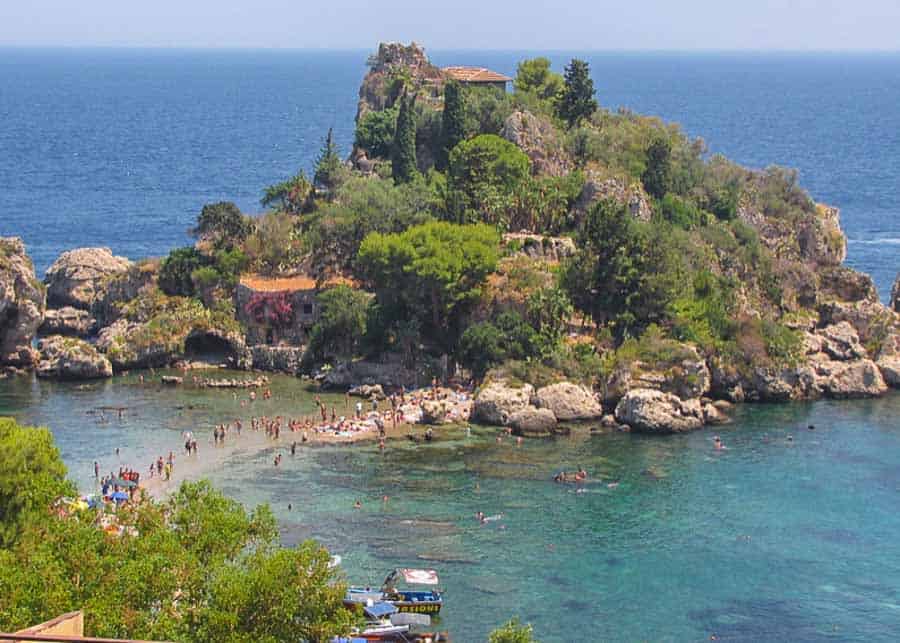
This is a good 7-day itinerary because it eases you into Sicily’s intensity instead of throwing you all over the map, while still covering a satisfying mix of cities, countryside, and coast. You start in Palermo, where you land anyway, so your first day is spent soaking up atmosphere instead of sitting on trains or in cars.
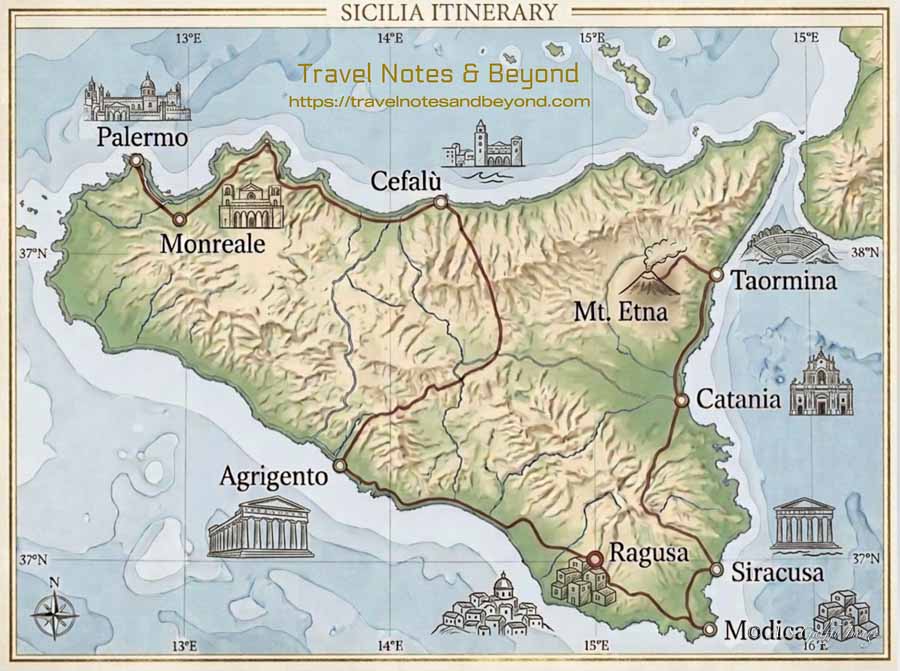
From there, the route flows in a logical loop. First you go west and north to Monreale and Cefalù, then down to the ancient ruins of Agrigento. From there, you go across through the baroque towns of Ragusa and Modica. Then up the eastern side for Syracuse, Etna, Taormina, and finally Catania, from where you depart.
Each stop contrasts with the one before, so you never feel like you’re seeing the same thing twice. Distances are manageable, you’re not backtracking all over the island. And in just one week you get a real taste of Sicily’s many faces without the schedule feeling rushed or unrealistic.
One Week in Sicily Itinerary
Day 1: Palermo – A Bold Beginning
It makes a lot of sense to start your itinerary in Palermo, as most flights into Sicily drop you here. But I have to warn you: Palermo isn’t the kind of city that eases you in gently. The moment you step off the plane, the island’s wonderfully chaotic capital just hits you with its loud, messy, irresistible energy that feels so Sicilian! Even though you must be tired, I suggest you drop your bags, grab an arancino, and start wandering the city streets. Believe me, Palermo is the kind of place that wakes you up faster than any espresso! Besides, and it sets the tone for the rest of your week in the best possible way.
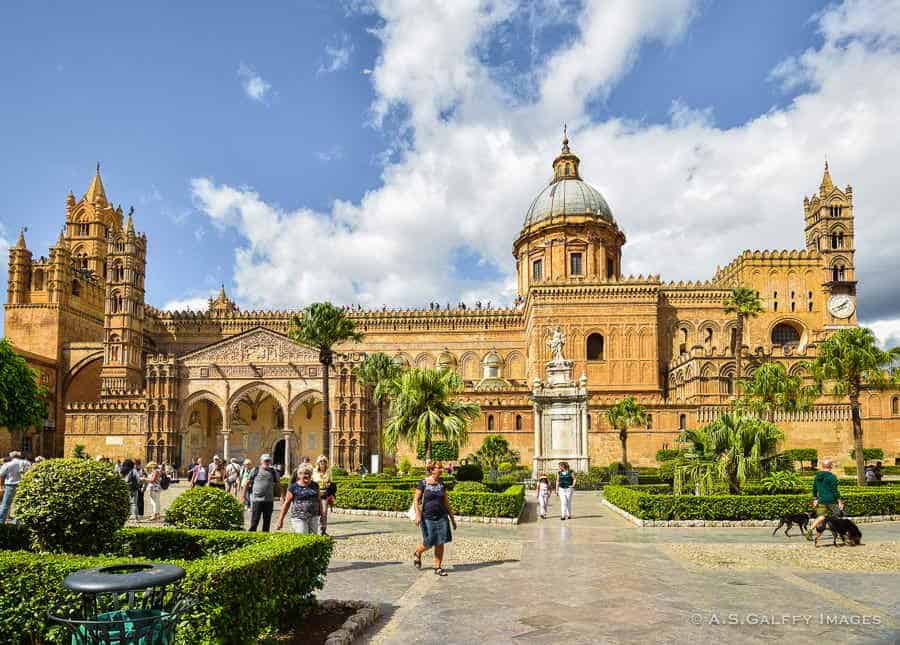
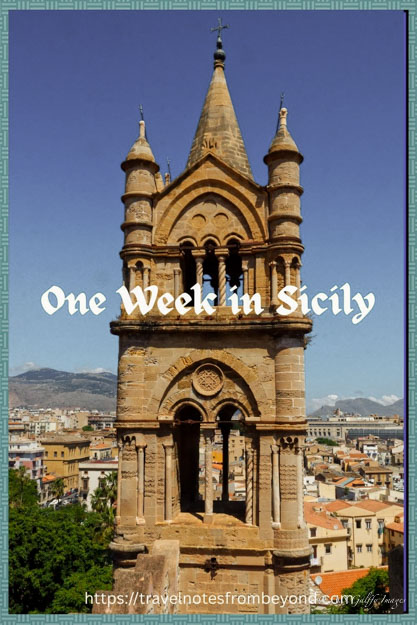
Walk through the historic center, step into the Palermo Cathedral, then lose yourself in the markets—Ballarò, Vucciria, Capo. Here the air is thick with the scent of street food and the sound of vendors calling out in rapid Italian. This is where you’ll taste Sicily for the first time—arancini, panelle, cannoli that feel almost too good to be real.
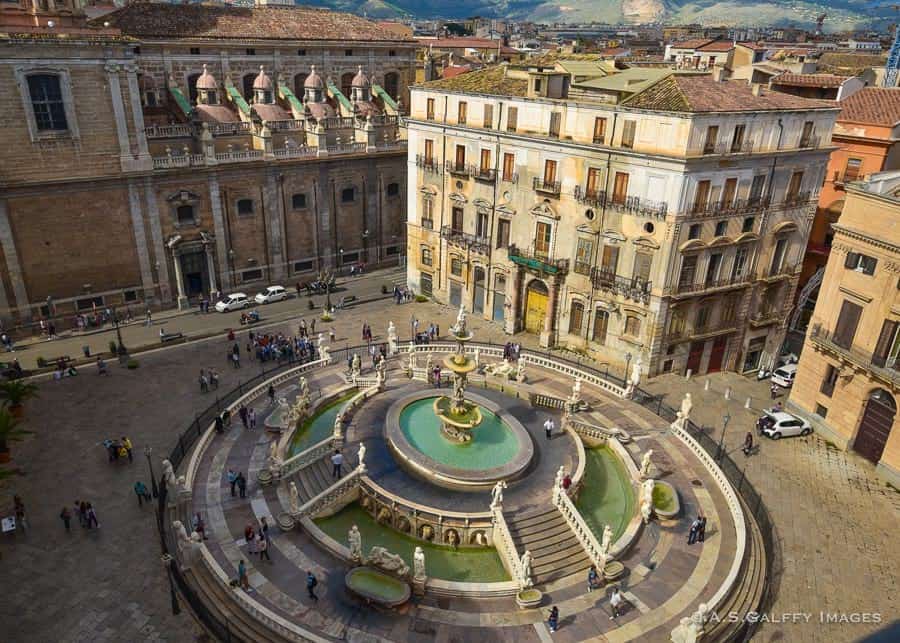
Palermo may not be perfect, but it’s vibrant, layered, and deeply authentic. And by the end of the day, you’ll understand why starting your journey here. Palermo sets the perfect tone for the rest of your week in Sicily.
Day 2: Monreale and Cefalù – A Softer Side of the Sicily
After the intensity of Palermo, day two offers a change of pace. A short journey takes you to Monreale, where the cathedral quietly stuns with its golden mosaics. Step inside and everything slows down. Sanding beneath the intricate scenes that have watched over this place for centuries feels almost otherworldly. The cathedral’s most impressive mosaic is Christ Pantocrator, which dominates the half-dome of the central apse. The enormous, half-length figure of Christ blessing the viewer with his right hand while holding an open book with the words “I am the light of the world” in Greek and Latin.
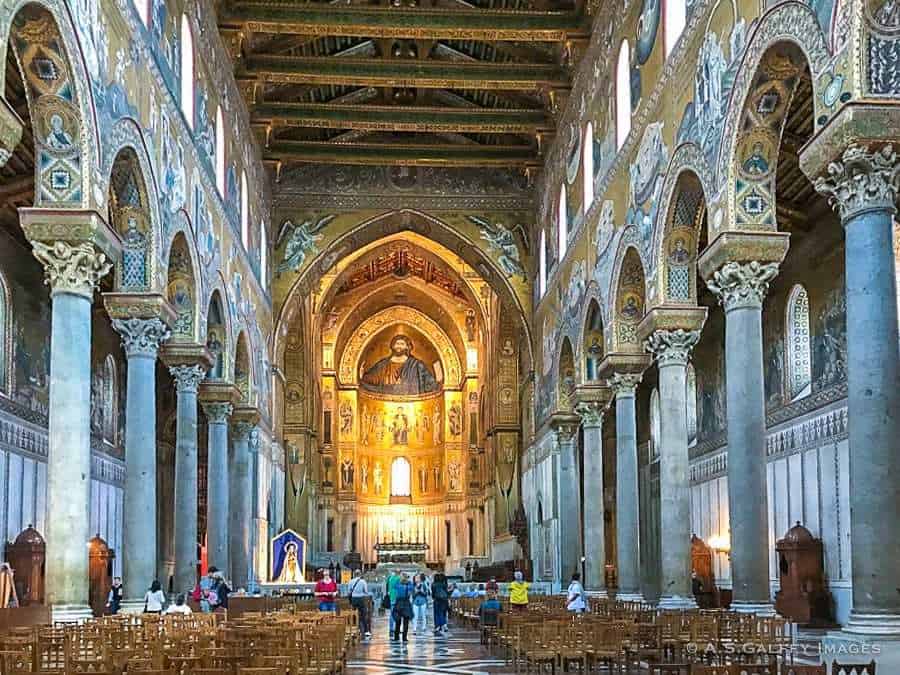
From there, continue to Cefalù, a seaside town that feels like a reward. A small, calm and effortlessly charming borough with narrow streets, open squares, and laundry flutters between buildings. Here the sea is always just a few steps away.
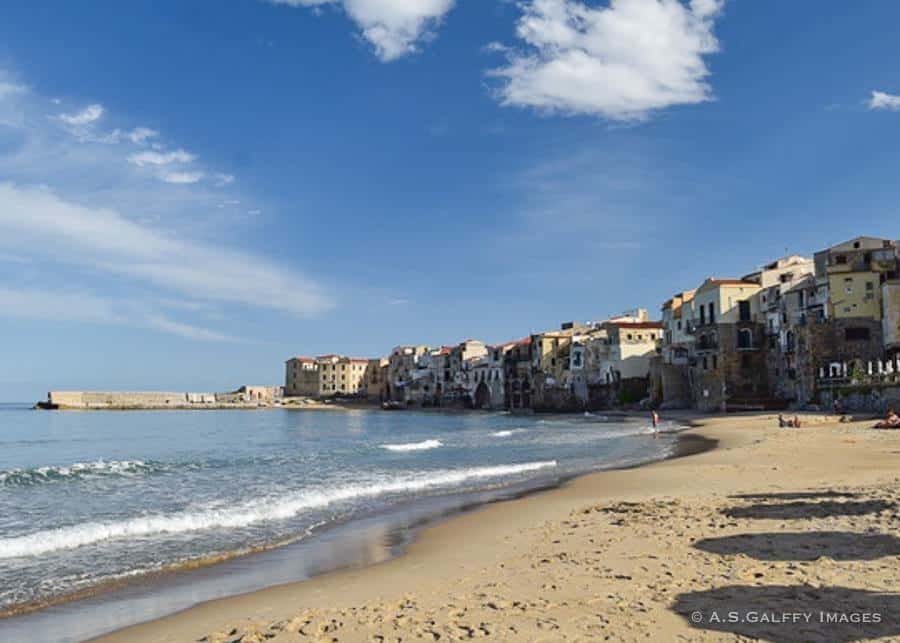
Spend your afternoon wandering around without a plan. Sit by the beach, dip your feet in the water and just relax. Or, if you’re feeling energetic, climb up to La Rocca for sweeping views over the town and coastline. Cefalù doesn’t demand anything from you. It simply invites you to enjoy it at your own pace, a welcome contrast after Palermo’s full-throttle introduction.
Day 3: Agrigento – Ancient Wonders on Your Sicily Itinerary
This part of your Sicily Itinerary takes a more dramatic turn. As you head south toward Agrigento, the landscape opens up. You’ll come across rolling hills, olive groves, and stretches of countryside that feel timeless. The deeper you move into the island’s heart, away from the bustle of the cities, the quieter and more contemplative the atmosphere becomes.
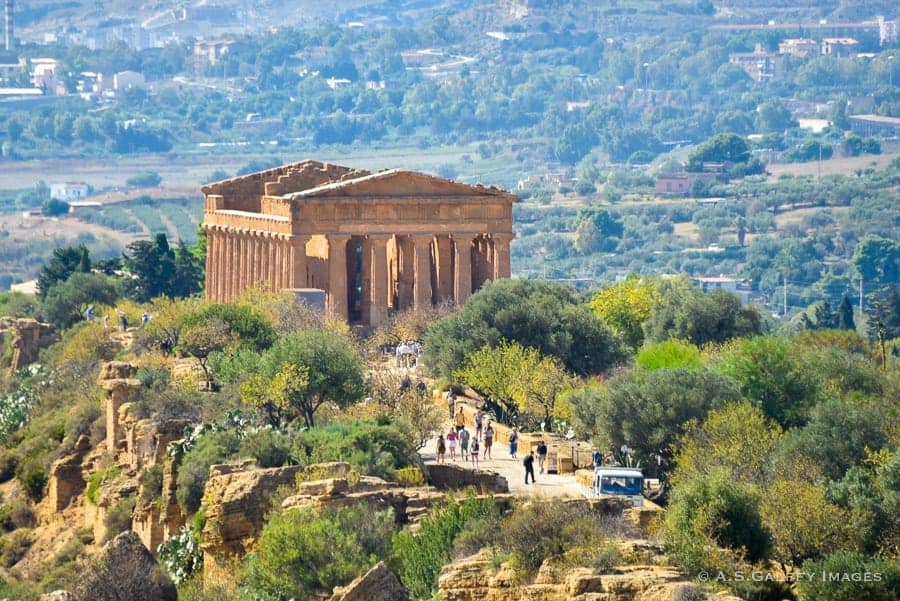
Agrigento is home to the famous Valley of the Temples. This vast archaeological park that preserves the remains of the ancient Greek city of Akragas, once one of the most powerful colonies in Magna Graecia. The site stretches over about 1,300 hectares and is a UNESCO World Heritage Site. Massive Greek ruins rise out of the earth, standing tall against the Sicilian sky. They’re not tucked away or hidden—they’re right there, exposed, enduring, and impossibly impressive. Walking among them, you can’t help but feel small, in the best possible way.
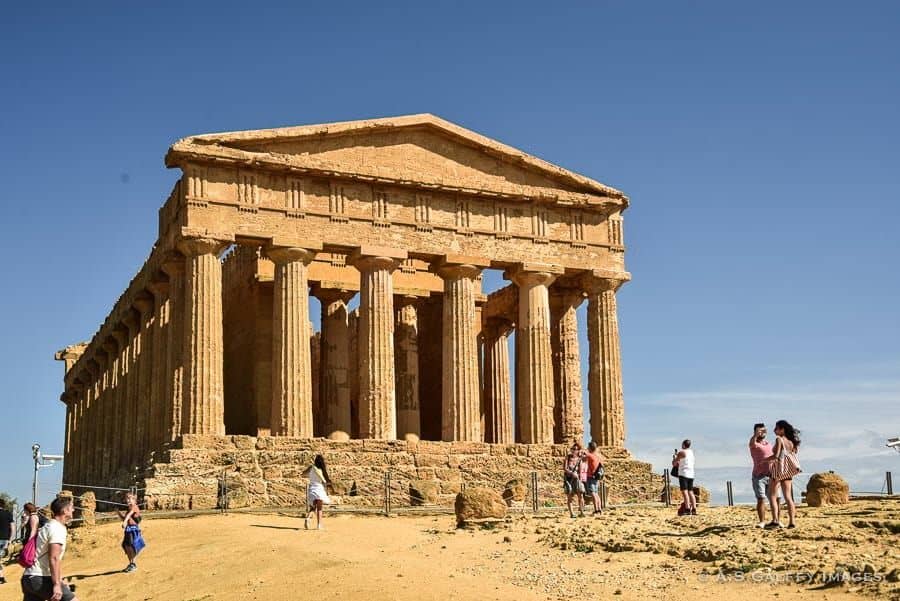
The Temple of Concordia, in particular, is remarkably well preserved. Its clean lines and strong silhouette create a striking contrast against the surrounding landscape. As the sun begins to set, the temples take on a golden glow that feels almost cinematic. It’s the kind of moment that stays with you long after you’ve left.
Day 4: Ragusa and Modica – Elegance and Quiet Charm
By day four, Sicily reveals another layer entirely. Ragusa and Modica feel worlds away from Palermo’s energy and Agrigento’s drama. Here everything is softer, more refined and undeniably beautiful. Yet there’s still that subtle edge that reminds you you’re in Sicily, not some perfectly polished postcard.
These towns don’t try to impress you right away—they grow on you slowly. Their beauty is simple and low-key, but it sticks with you long after you’ve left.
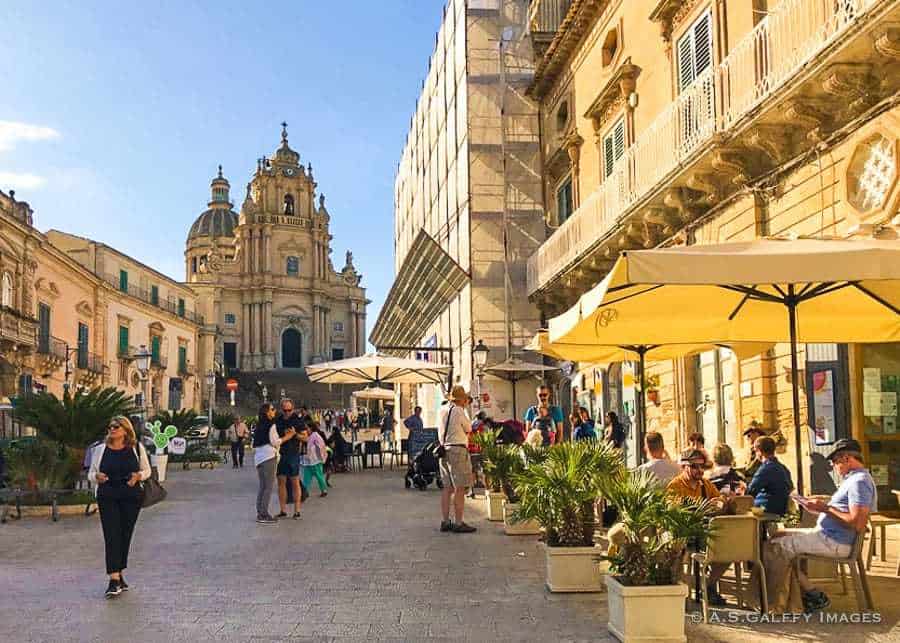
Ragusa Ibla is a maze of winding streets, baroque facades, and hidden corners that seem made for slow exploration. It’s the kind of place where you turn a corner and suddenly find yourself in a quiet piazza, with nothing but the sound of footsteps on stone and distant conversation. Churches and palaces sit elegantly on the hillsides, their pale stone glowing in the late afternoon light.
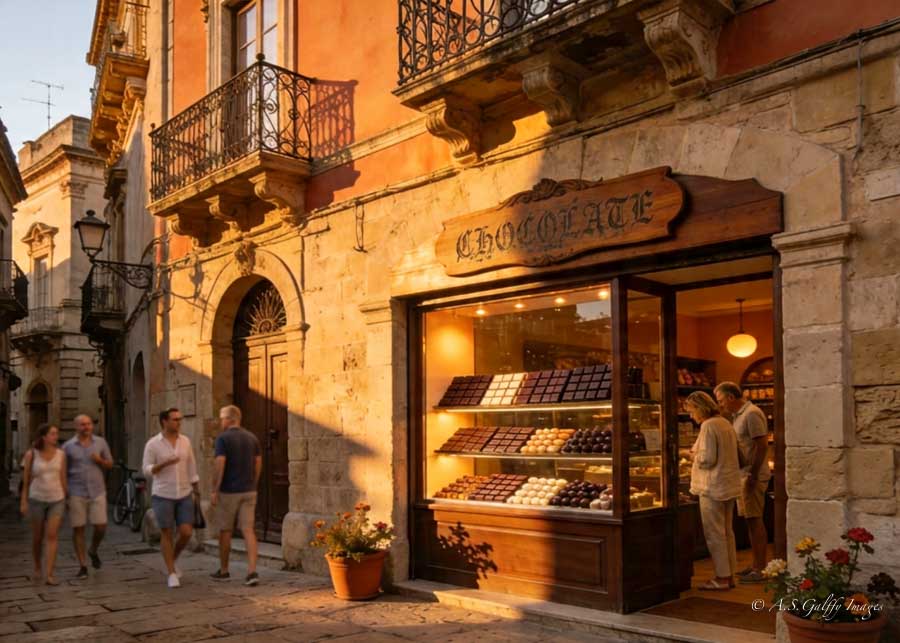
Modica, just a short drive away, carries a similar charm but with its own distinct flavor. Known for its chocolate, the town invites you to indulge a little. You’ll absolutely have to try the traditional chocolate shop where centuries-old recipes are still in use. This chocolate is quite different from what you might be used to. It’s something rich, intense, grainy, and unlike anything you’ll find back home.
Day 5: Syracuse and Ortigia – Layers of Time and Sea
As your itinerary continues east you arrive in Syracuse, a city that feels both expansive and intimate at once. Its ancient Greek roots are impossible to ignore. That is especially visible in the archaeological park, where ruins stretch across the landscape in a way that makes history feel very tangible.
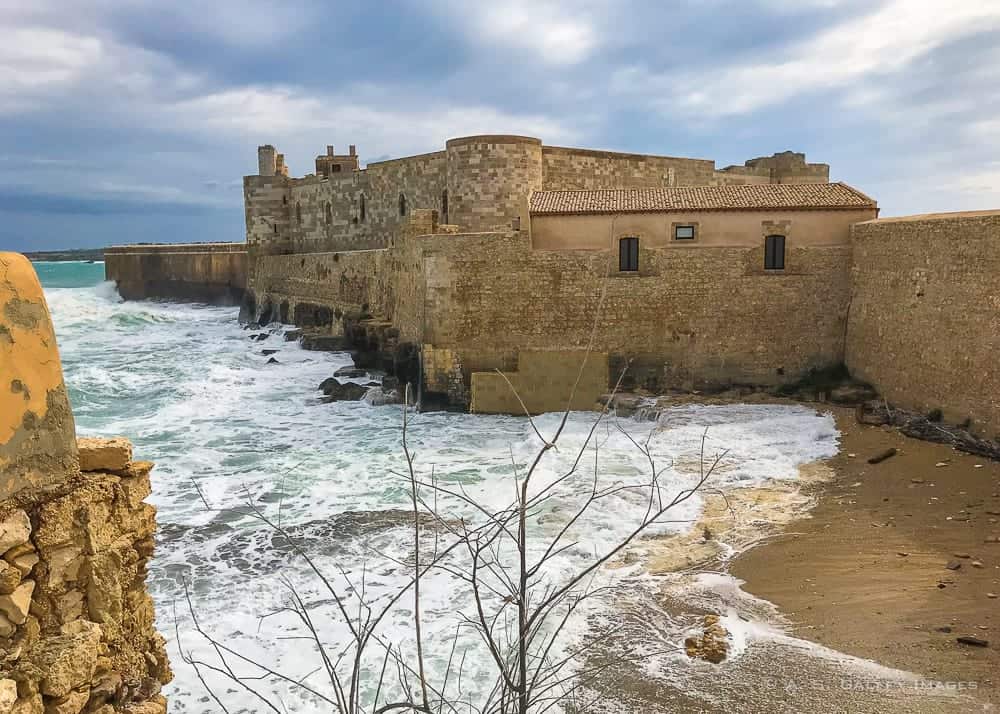
But it’s Ortigia, the historic island at the heart of Syracuse, that truly captures your attention. Connected to the mainland by a short bridge, it feels like stepping into another world. The pace shifts, the colors soften, and suddenly everything feels closer to the sea.
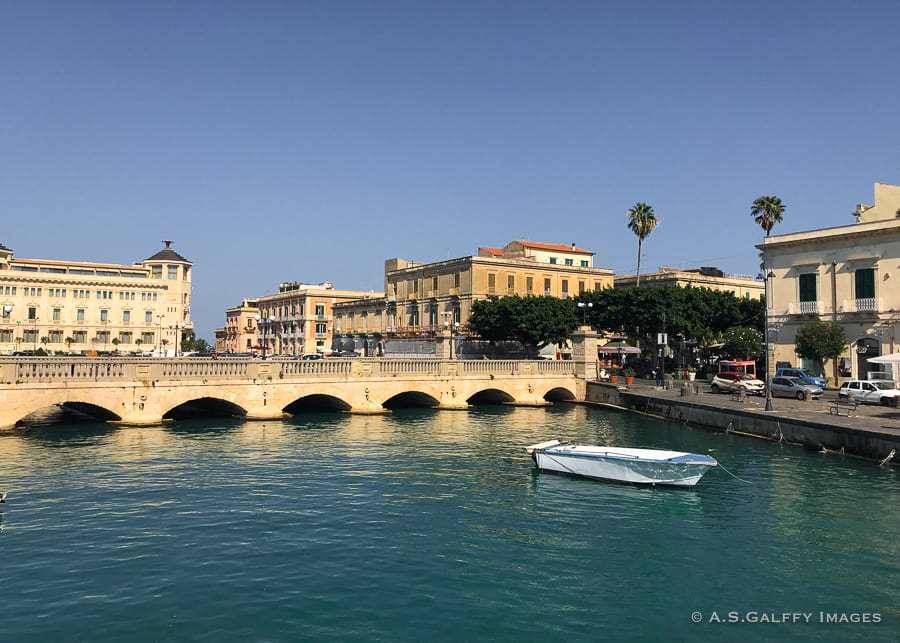
The streets are narrow and sunlit, opening unexpectedly into lively piazzas where locals and visitors mingle over coffee and aperitivo. The Cathedral of Syracuse stands proudly, its facade reflecting layers of history—Greek, Roman, baroque—all woven together into something uniquely Sicilian. Everywhere you go, the sea is close by, peeking through alleyways or stretching out beyond the promenade.
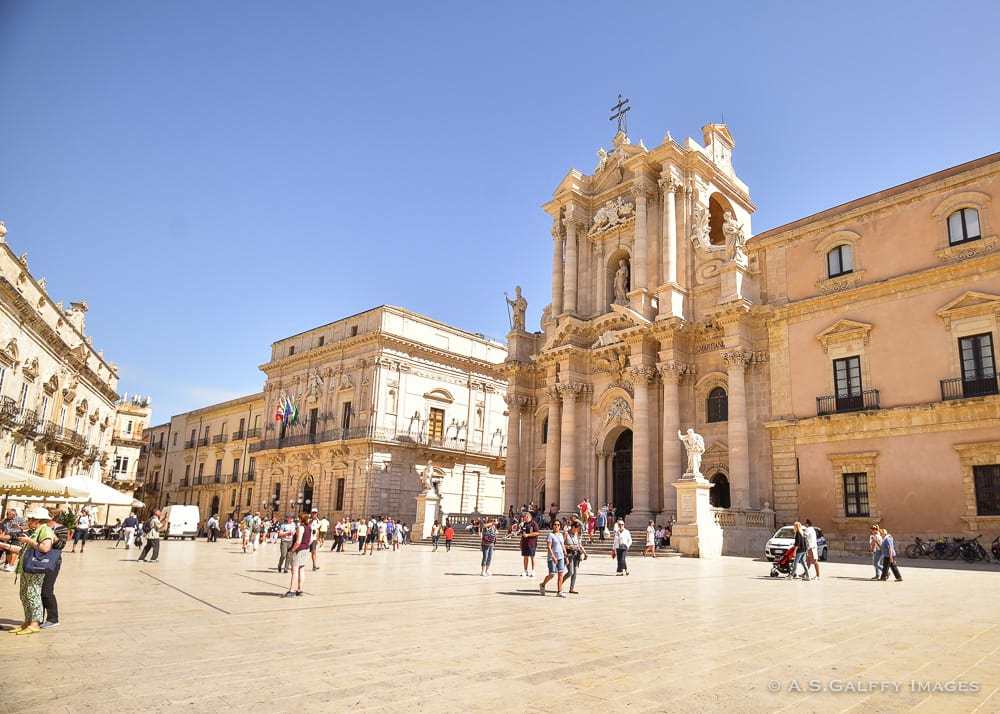
Ortigia has a slightly faded elegance. It’s romantic without being overdone, atmospheric without feeling staged. It’s the kind of place where you linger longer than planned, promising yourself “just one more walk” before you finally call it a night.
Day 6: Mount Etna and Taormina – Wild Beauty and Refined Views
No Sicily Itinerary would be complete without experiencing Mount Etna. There’s something both thrilling and humbling about standing near Europe’s most active volcano, knowing that the landscape beneath your feet is still very much alive. The terrain here feels almost otherworldly—dark, rugged, and shaped by eruptions over countless years.
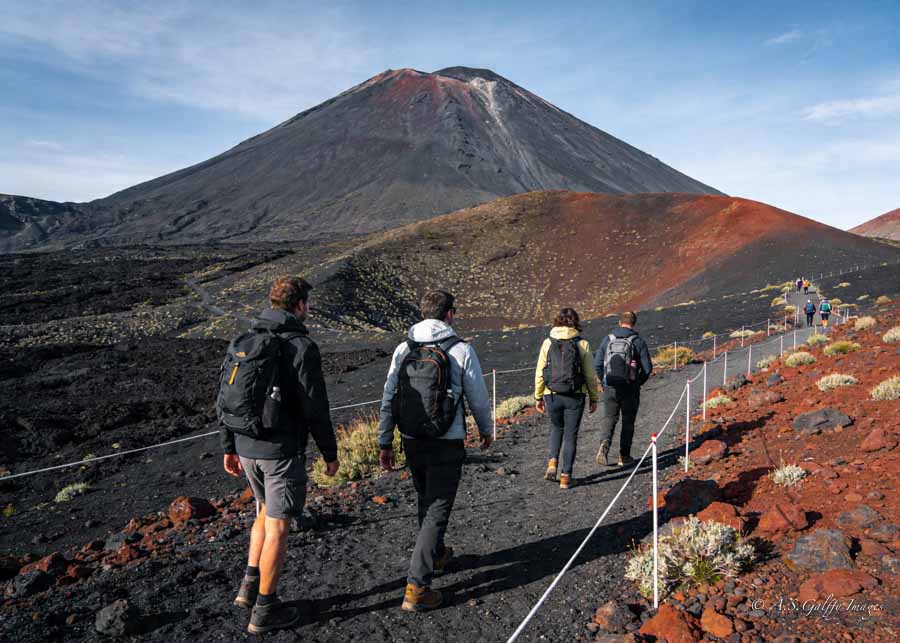
Whether you choose to hike to explore the old craters and lava fields, join a guided tour, or simply admire it from a safe distance, Etna leaves a strong impression. If you don’t want to hike, you can ride the cable car up, hop in a 4×4 and stop at viewpoints that look out over the coast.
Its slopes are dotted with vineyards and small towns, a reminder that life not only continues here, but thrives in the shadow of something so powerful. It’s unpredictable, imposing, and strangely beautiful.
Taormina
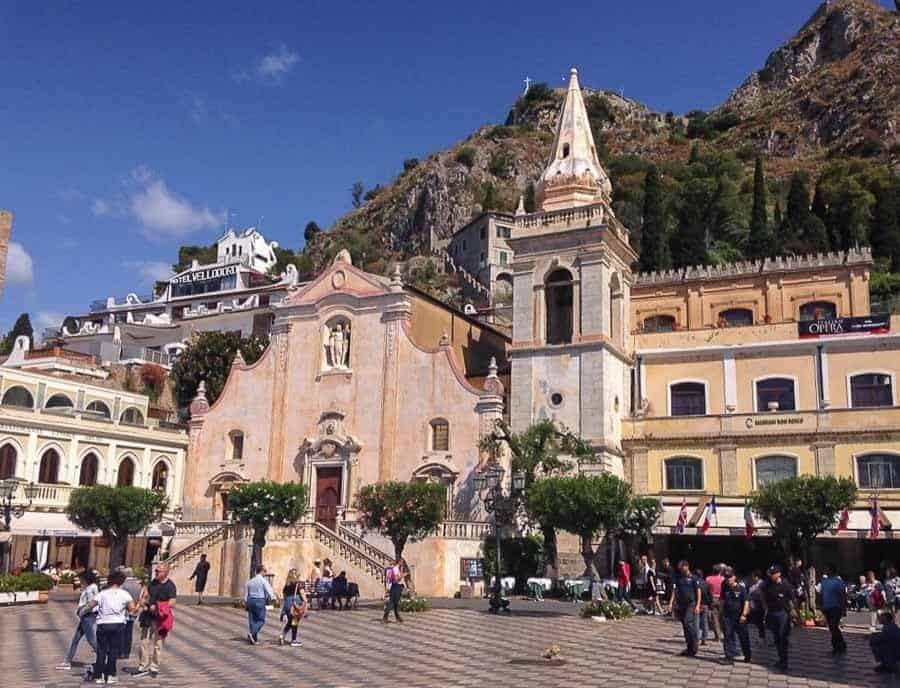
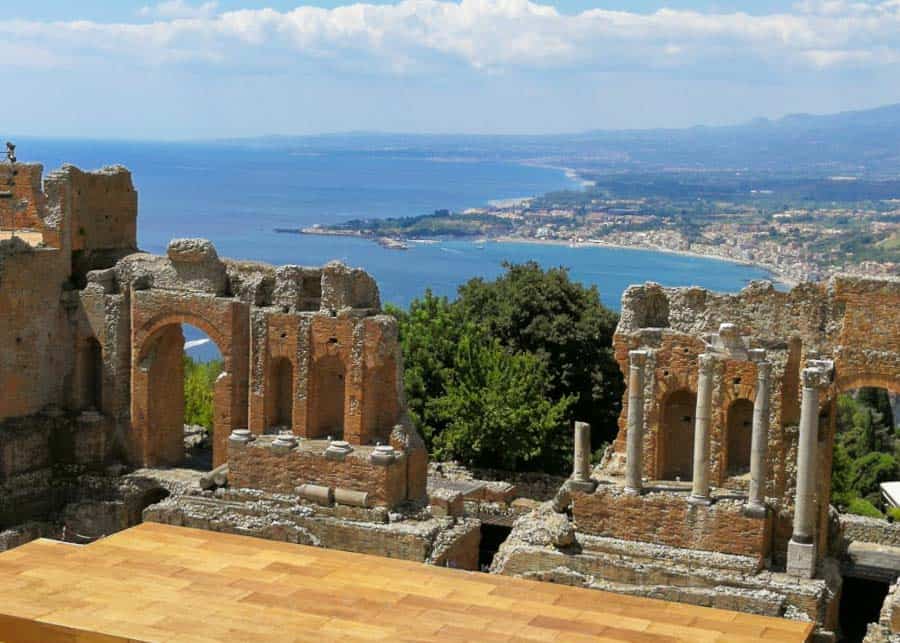
From there, the itinerary takes you to Taormina, which is my favorite town in Sicily. The vibe changes again here. The town sits high above the sea and the views are almost hard to believe. From the ancient Greek theater you can see Mount Etna in the distance, and the whole scene feels like a movie set. It’s one of those places where everything just clicks—history, scenery, and the town itself.
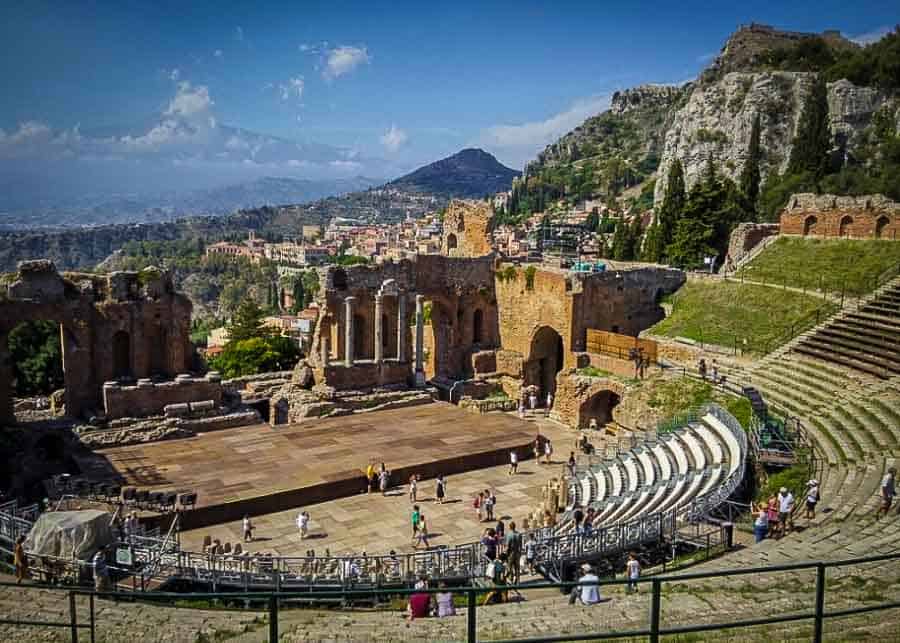
Taormina is a bit more polished and pretty, but it still feels very Sicilian. There are small shops along the main street, cafés with outdoor tables, and plenty of little side streets to wander. Almost everywhere you look, there’s another great view of the sea or the mountains. It’s the kind of place where you just want to slow down, sit for a while, and enjoy being there.
Day 7: Catania – A Gritty, Unforgettable Ending to Your Sicily Itinerary
Your week-long plan in Sicily ends in Catania, a city that sits at the foot of Mount Etna. Catania is loud, gritty, energetic and full of and dark lava-stone buildings. It has a raw, everyday charm that feels very real. Although it has a stronger, edgier look than many other Sicilian cities, that contrast is part of its appeal. If Taormina is refined and theatrical, Catania is bold and unfiltered.
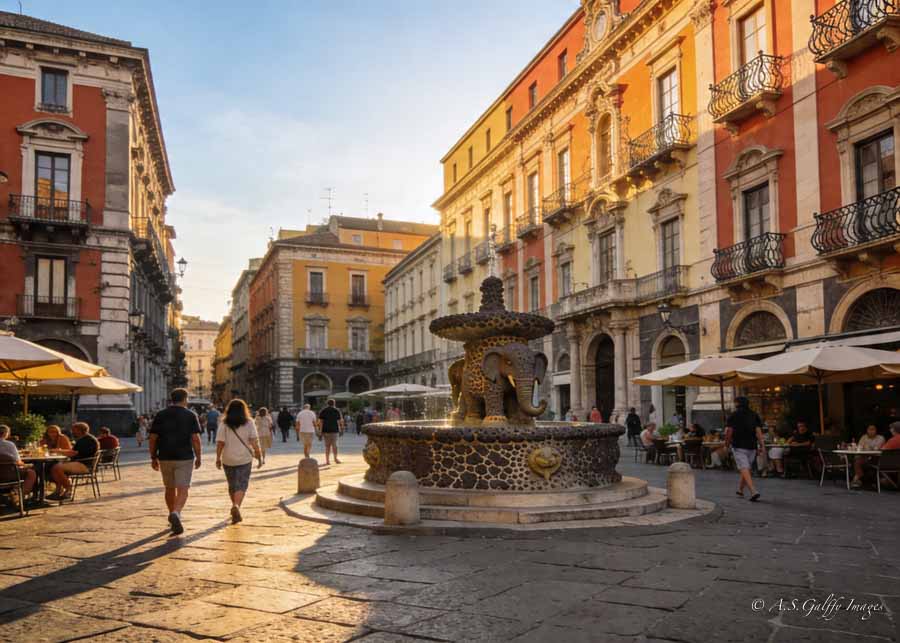
The streets are busy, sometimes chaotic, but always interesting. Markets spill into the roads, scooters weave through traffic, and there’s a sense that this city has no intention of slowing down for anyone. Catania doesn’t smooth out its edges for visitors—it just lets you step into its rhythm for a little while.
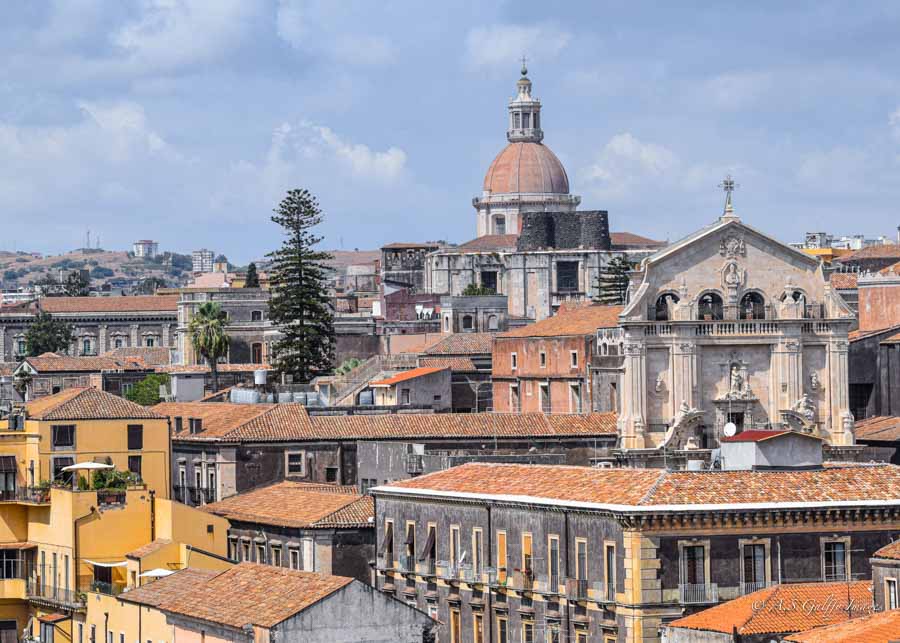
Explore Piazza del Duomo, where the iconic elephant statue stands as a symbol of the city, watching over the flow of daily life. Wander through the fish market, where the energy is almost tangible and the calls of the vendors create their own soundtrack. When you need a break, find a café, order something simple, and watch the city move around you.
Catania may not be the most polished stop on your itinerary, but it’s one of the most memorable cities in Sicily. It leaves you with a final impression that feels honest and unfiltered, a reminder that Sicily is not a curated experience, but a living, breathing place.
Frequent Asked Questions About Sicily
Sicily is generally more affordable than many of Italy’s most famous tourist regions. Hotels, restaurants, and transportation often cost less than in places such as Venice, Florence, or the Amalfi Coast. You can still find luxury resorts and fine dining, but overall Sicily offers very good value, especially when it comes to food, local wine, and family-run accommodations.
Yes, Sicily is generally considered safe for tourists, including solo travelers and families. Violent crime involving visitors is rare. The most common issues are petty theft, such as pickpocketing in crowded tourist areas, and chaotic driving in busy cities. As with most destinations, basic precautions — watching your belongings, avoiding poorly lit areas late at night, and driving carefully — are usually enough to ensure a smooth trip.
It depends on the type of trip you want. If you plan to stay mostly in major cities like Palermo, Catania, and Taormina, you can rely on trains and buses for much of your travel. However, for this particular itinerary it’s better if you have car. Renting a car gives you much more flexibility, especially if you want to explore smaller villages or scenic coastal routes. Just be prepared for narrow streets and assertive driving in larger cities.
Sicily is famous for its rich and diverse cuisine, influenced by Italian, Arab, Greek, and Spanish cultures. Some of the island’s best-known specialties include arancini (fried rice balls), cannoli, fresh seafood, pasta alla Norma, and granita served with brioche. Every region has its own traditional dishes, and many travelers consider Sicily one of the best food destinations in Italy. Markets in cities like Palermo are especially popular for authentic street food experiences.
That depends on your budget and travel style. Keep in mind that guided tours will cost 2-3 times more than if you travel independently. Hiring a guided tour company is beneficial for first-time visitors, those with limited time who want to maximize their experience, or seniors seeking logistical ease. That being said, I would rather recommend making your itinerary and travel arrangements, but book loan, small-group excursions for specific activities (like Mt. Etna, Valley of the Temples, or boat trips). You have a few choices below:
A Final Thought
This one week itinerary is not exhaustive, but it gives you a really good first taste of what Sicily is all about. In just 7 days, you get a mix of big cities, small hill towns, ancient ruins, coast, and volcano views. I think it’s enough to fall for the island without feeling like you’re racing from one checklist stop to the next. There will always be more places to see and roads to follow in Sicily, but this route is a solid starting point that hits many of the highlights without being overwhelming. And if the island grabs you the way it did us, you’ll already be planning your next trip before this one even ends.
Sicily isn’t a destination that fits neatly into expectations. It’s complex, sometimes messy, and full of contrasts that don’t always make sense at first. But that’s exactly what makes it so compelling.
 Best Hikes in the Dolomites: Iconic Day Hikes & Viewpoints





Cindy Carlsson
Great starter guide! We still haven’t gotten there since Covid sunk the TBEX meeting that was supposed to be in Catania. I like that this gives me a logical starting point for a trip that will probably be two weeks.
the Authors
Yea, sadly Covid sunk that TBEX meeting. Well, Sicily is still there, waiting for tourists, so maybe you can visit it someday.
Ahmet Brown
Very useful information. Thank you for sharing it. I particularly liked the details of this itinerary.