
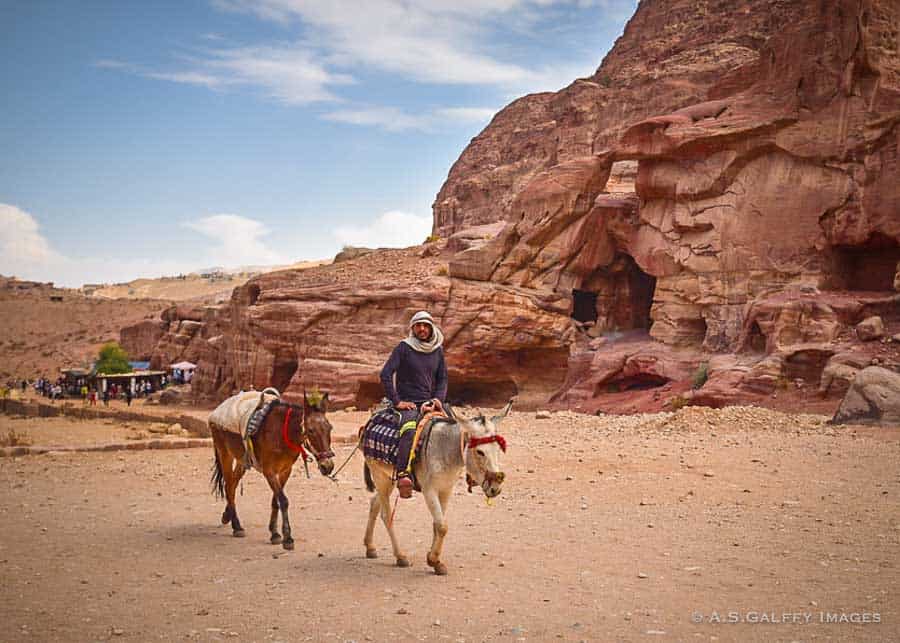
To many people, Jordan seems like a far-away place, imbued with legend and mystery, but difficult to visit. Truth is, it’s one of the safest, easiest, and most rewarding countries to travel to in the Middle East. Most nationalities get a visa on arrival, English is widely spoken, and you can see Petra, Wadi Rum, and the Dead Sea in a single week. What it does take is a little preparation — knowing the culture, the customs, and the practical details that make the difference between a good trip and a great one.
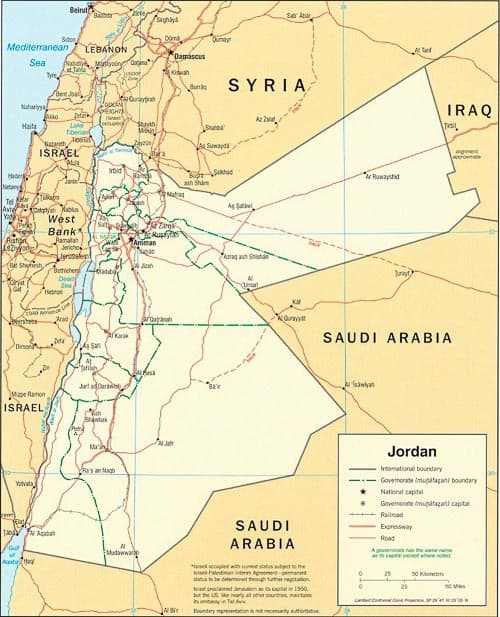
Jordan is a relatively young state (1946) in the desert of the northern Arabian Peninsula. The country occupies an ancient land with a rich history going back to biblical times, bearing the traces of many civilizations.
Jordan surprised me in every way, even though I’d done my research before going. For one thing, I didn’t expect to find an eco-lodge tucked into a desert canyon (Feynan Ecolodge).But what I found most amazing was the varied climate and landscape packed into such a small country.
The surprises didn’t stop there — so here are the things I wish I’d known before my first trip to Jordan.
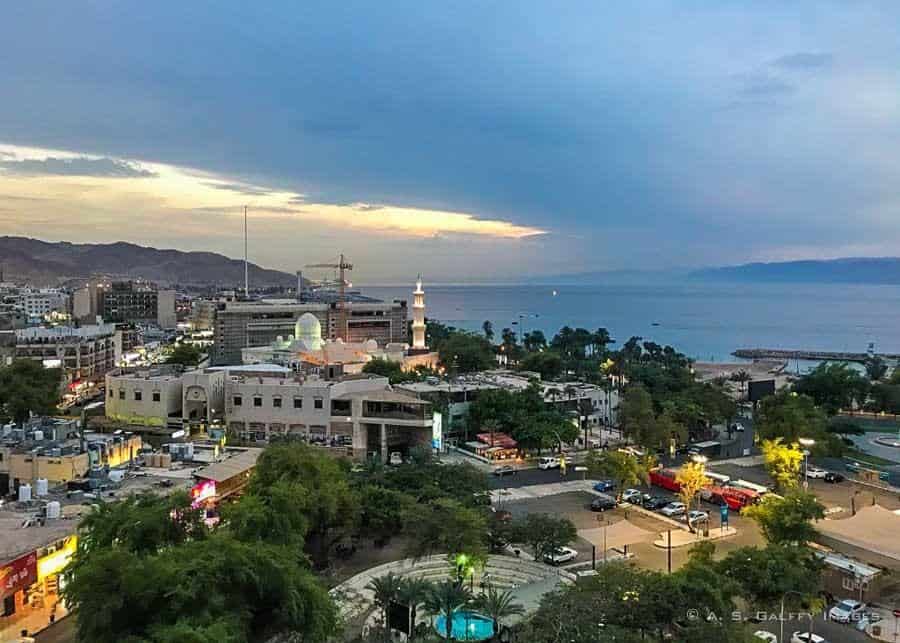
1. Is Jordan Safe to Travel to in 2026?
Yes, Jordan is safe to travel to right now. Although tensions and conflicts in this region are very real, not all countries in the area present a risk for travelers. Jordan itself remains politically stable, welcoming, and one of the safest in the Middle East for tourists. Violent crime is rare, locals are extraordinarily hospitable, and major sites like Petra, Wadi Rum, and the Dead Sea operate normally. The areas to avoid are the borders with Syria and Iraq, which most travelers never go near anyway.
What I would do before your trip:
- Check the U.S. State Department travel advisory a week before you fly.
- Buy travel insurance that covers political evacuation.
- Skip the 3 km buffer near the Syrian border and anything east of Ruwaished.
Solo female travelers should know that Jordan is generally comfortable, but you may get unwanted attention in remote areas. Dress modestly, avoid the front seat of taxis, and trust your instincts.
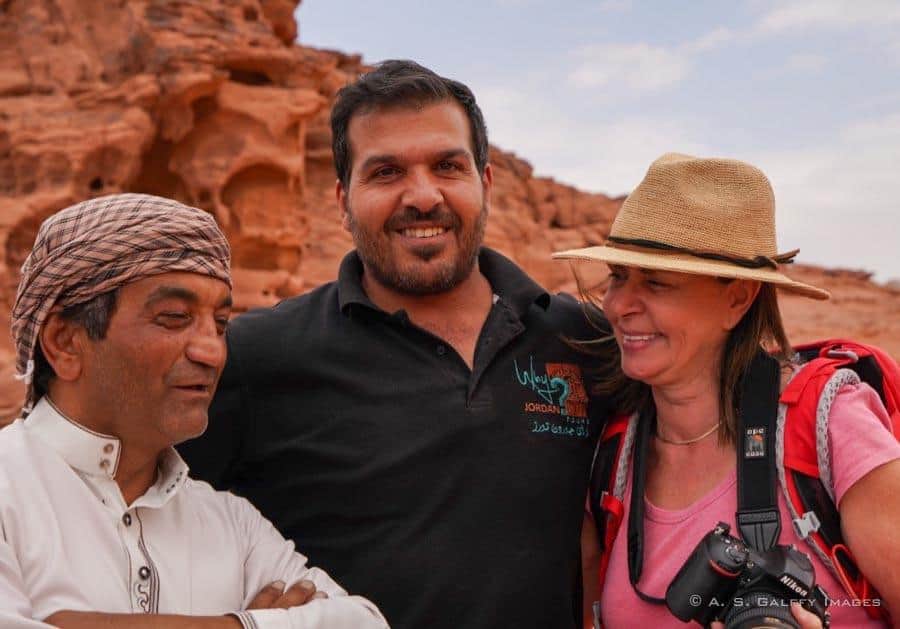
Everywhere we traveled in Jordan, we encountered friendly people, knowledgeable guides, and well-trained hotel employees. After spending almost 2 weeks among Jordanians, we left touched by their generosity and kindness.
2. Visa and Entry Requirements for Traveling to Jordan
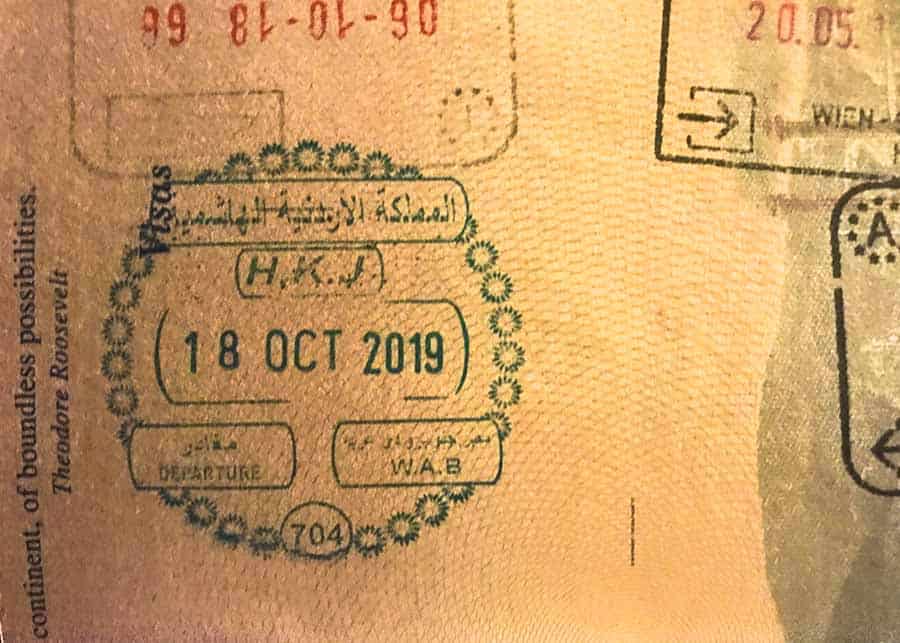
No matter where you come from, you will need a visa to enter Jordan. You can obtain a visa at the border, or you can get one ahead of time at the Jordanian embassy in your country of residence. However, getting The Jordanian visa from an embassy is more expensive.
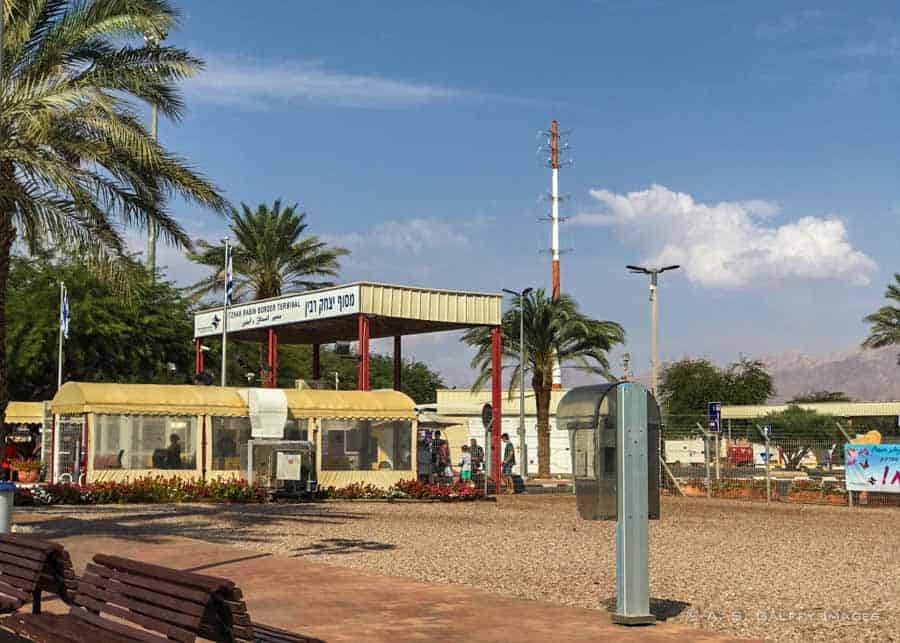
One important thing to know is that Jordanians are willing to wave your visa fee if you spend at least 2 nights in Jordan. But that’s going to happen only at the border, so it’s better to arrive without a visa and prove you’ll spend at least two nights in Jordan.
3. Best Time to Visit Jordan
The best time to visit Jordan is March through May or September through November. Spring brings wildflowers in Wadi Rum and pleasant 20-25°C days perfect for hiking Petra. Autumn offers the same comfortable temperatures plus warm Red Sea water for diving in Aqaba. Summer is brutally hot in the desert (often above 38°C), and winter can bring snow to Petra and freezing nights in Wadi Rum.
Here’s what each season actually looks like:
- Spring (March-May): My favorite. Mild days, cool nights, blooming desert.
- Summer (June-August): Too hot for sightseeing unless you’re heading straight to Aqaba.
- Autumn (September-November): Second-best window. Slightly fewer crowds than spring.
- Winter (December-February): Cheaper, quieter, but pack warm layers. Petra has closed during flash floods.
Avoid Ramadan if you want full restaurant hours and a normal pace of life, though it’s a fascinating time to visit culturally.
4. Top Places to Visit in Jordan
Jordan packs an extraordinary amount into a small country. Most travelers focus on five places, and that’s enough for a memorable first trip.
Petra
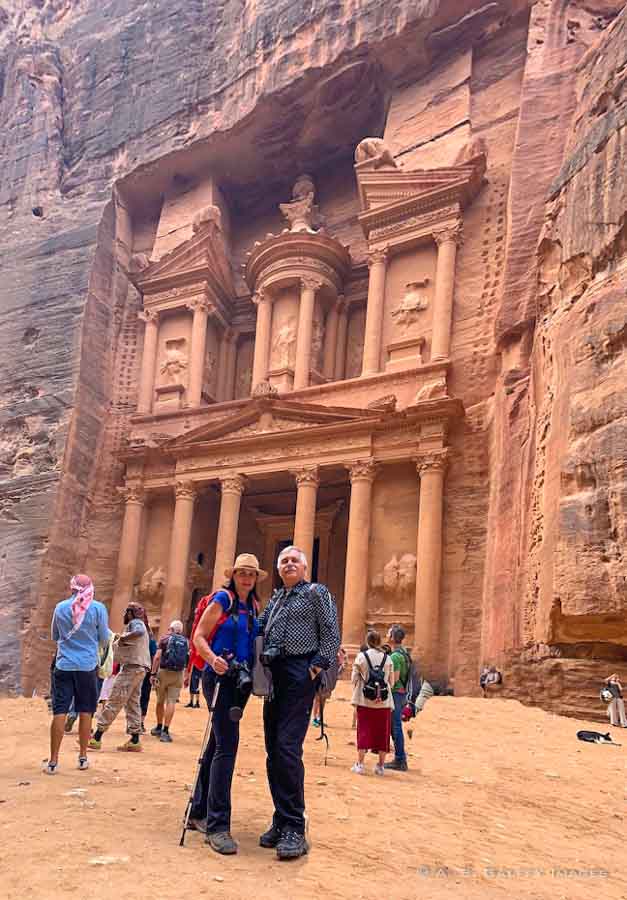
The rose-red Nabataean city carved into sandstone cliffs is one of the New Seven Wonders of the World and the reason most people come to Jordan. Plan at least two full days in Petra. Walk the Siq at sunrise to beat the crowds, hike up to the Monastery (800 steps, worth every one), and come back for Petra by Night if it falls on your visit.
Wadi Rum
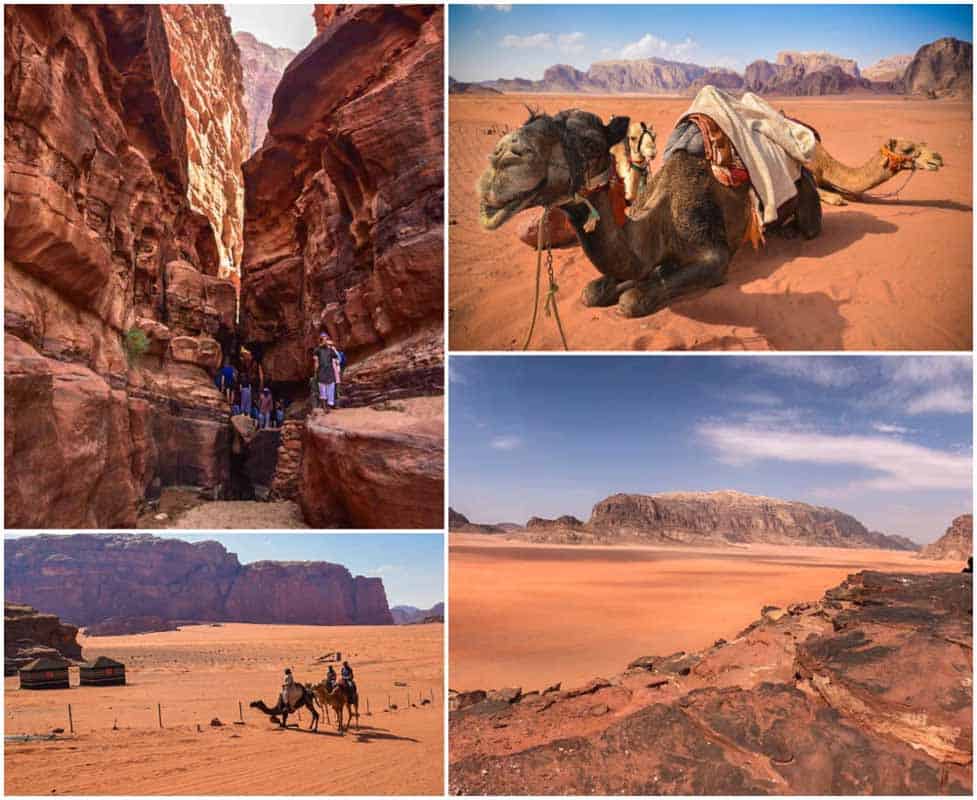
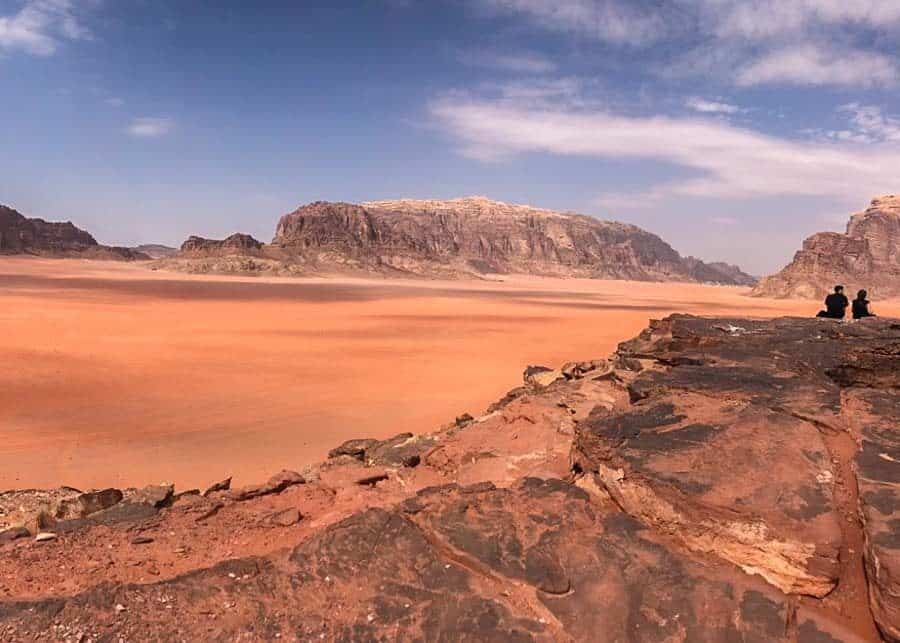
A Mars-like desert of red dunes and towering sandstone formations, Wadi Rum is a UNESCO World Heritage site where Lawrence of Arabia rode and where The Martian was filmed. The Wadi Rum desert is a must on any Jordan itinerary. Spend a night in a Bedouin camp under more stars than you’ve ever seen.
The Dead Sea
The lowest point on Earth at 430 meters below sea level. Float in water so dense you cannot sink, slather yourself in black mineral mud, and watch the sun set over the West Bank.
Jerash
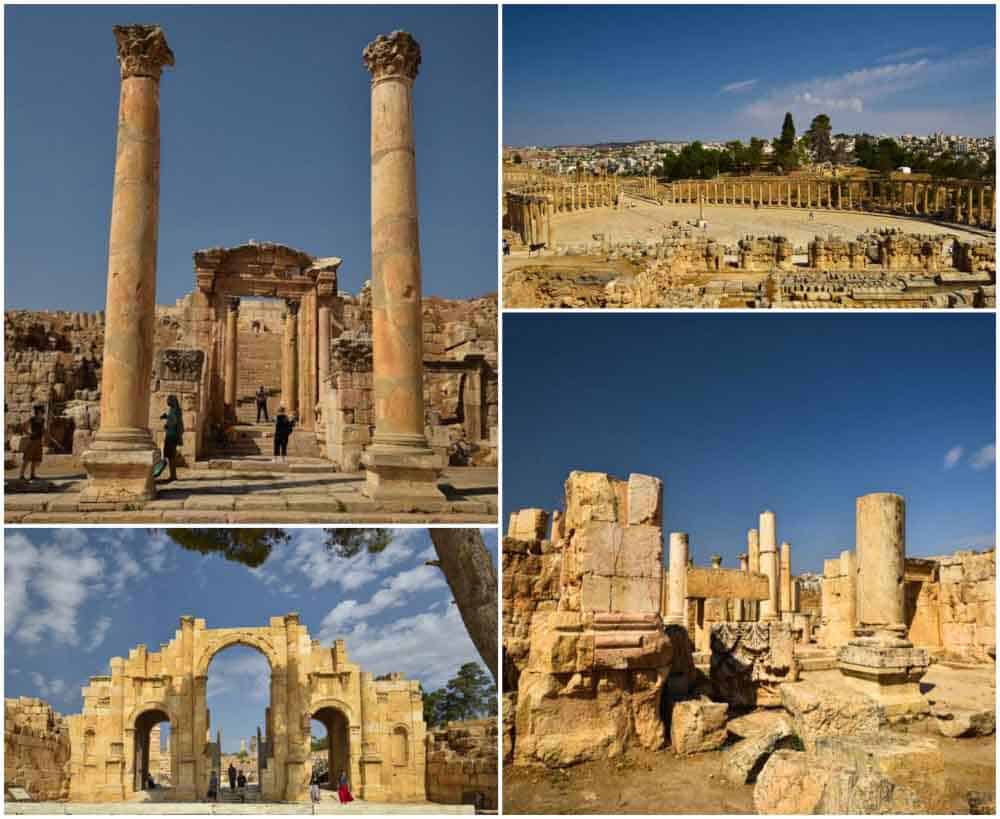
Jerash is one of the best-preserved Roman provincial cities anywhere in the world. The colonnaded streets, oval forum, and hippodrome feel like Italy dropped into the desert. Half a day is enough.
Amman
Jordan’s capital is often skipped, which is a mistake. The Citadel, the Roman Theater, and the food at Hashem and Habibah make it worth a full day before or after the south.
5. Suggested 7-Day Jordan Itinerary
This is the route I’d recommend for a first trip — enough time to see the highlights without feeling rushed.
- Day 1: Arrive Amman. Citadel, Roman Theater, dinner in Rainbow Street.
- Day 2: Day trip to Jerash and Ajloun Castle.
- Day 3: Drive the King’s Highway to Madaba and Kerak Castle, sleep near the Dead Sea.
- Day 4: Float in the Dead Sea, drive to Petra in the afternoon.
- Day 5: Petra — the Treasury, the Monastery, the Royal Tombs.
- Day 6: Petra by Night or a second look at the trails, then drive to Wadi Rum for a Bedouin camp.
- Day 7: Sunrise jeep tour in Wadi Rum, then fly out of Aqaba or drive back to Amman.
With 10 days, add Aqaba for snorkeling or diving on the Red Sea, and a night at Feynan Ecolodge.
6. How to Get Around in Jordan
The easiest ways to travel around Jordan are hiring a private driver, renting a car, or taking the JETT bus between major cities. Public transport beyond JETT is limited, so most independent travelers either drive themselves or hire a driver for a few days at a time.
- Private driver: Around 80-120 JOD per day. The best option if you don’t want to drive.
- Rental car: Roads are good between major sites, but watch for speed bumps, dust storms, and aggressive drivers in Amman. International driving permits are recommended. Fuel stations are common on main highways but sparse in the desert. Fill up when you can.
- JETT bus: Reliable service between Amman, Petra, and Aqaba. Book a day ahead.
- Taxis: Useful for short trips. Use the meter in Amman, or agree on the price before getting in.
Taxi Cabs Do Long Distance Rides Beyond the City Limits
Want to get to Petra from Aqaba, or from Amman to Wadi Rum but have no car? No problem! In Jordan you can grab a cab to just about anywhere. Most taxis will be glad to take you on 2, 3 or even 4 hours trips. You just need to worry about bargaining for a good price.
Legally, all cabs should have meters, but it’s not uncommon for a cab driver to pretend their meter doesn’t work in order to overcharge you. Especially if you travel to a tourist site.
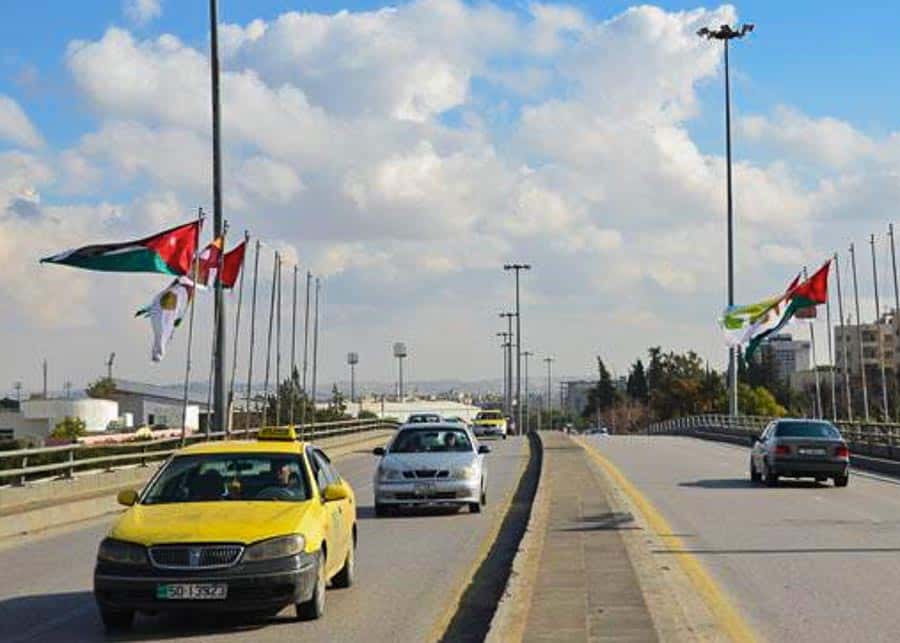
Most cab fares within the city are around US$4-5. A trip to Petra from Aqaba is roughly $45. So if you decide to travel to any tourist site by cab, try to negotiate the price ahead of time. Most drivers are very open to negotiations.
7. How Much Does a Trip to Jordan Cost?
Jordan is an expensive country to visit, so expect to pay more for the same commodity than in other parts of the world. That’s partly because the Jordanian Dinar is stronger than most other currencies (currently 1 JD is US$1.42). But mainly Jordan is expensive for what you receive in exchange for your money.
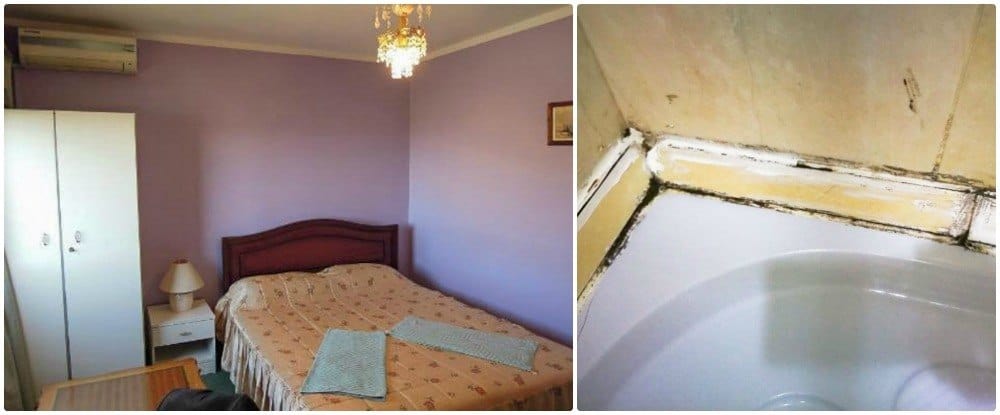
Lodging is particularly expensive, especially in places of interest for tourists. A hotel room in Jordan can run anywhere from $30/night to $350+/night, depending on the category. Unfortunately, a lower cost hotel room will definitely not be what you want. Below is an $85/night hotel room in Petra that has otherwise great reviews on TripAdvisor.
Food seemed expensive also. We didn’t eat anywhere for less than $40/person, and this price was for lunch at some very average restaurants.
Alcohol is particularly expensive, except for in the liquor shops in Aqaba, where the price is much lower than everywhere else due to no taxes.
Average Costs:
A trip to Jordan costs roughly $100-$150 per day per person as a mid-range traveler, including accommodation, food, transport, and entry fees. Budget travelers can do it on $60-$80 a day; luxury travelers will spend $300+. Jordan is more expensive than most people expect, especially compared to nearby Egypt.
Here’s what to budget:
- Mid-range hotel: 60-100 JOD per night
- Budget guesthouse: 25-40 JOD
- Meals: 3-5 JOD for street food, 10-20 JOD at a restaurant
- Petra ticket: 50 JOD for one day (or free with the Jordan Pass)
- Wadi Rum camp with jeep tour: 50-80 JOD per person
- Visa: 40 JOD (waived with the Jordan Pass if you stay 3+ nights)
TIP: the Jordan Pass is the single biggest money-saver. It covers your visa and entry to over 40 sites including Petra, Jerash, and Wadi Rum. Buy it before you arrive.
Nonetheless, getting the Jordan Pass may or may not be a good deal for you, depending how you visit Jordan. If you travel independently, getting the Jordan Pass before you arrive will save you a lot of money. Besides covering your visa, it will also give you free admission to over 40 sites, including Petra, Jerash and Wadi Rum. However, if you book a tour, admission to the sites you visit will be included in the price of the tour.
8. Tipping in Jordan
Tipping isn’t required in Jordan, but it’s appreciated and customary in the tourism industry. As a rough guide:
- Restaurants: 10% if no service charge is on the bill
- Tour guides: 10-15 JOD per day
- Drivers: 5-10 JOD per day for a private driver
- Taxis: Round up to the nearest dinar
- Hotel housekeeping: 1 JOD per night
- Bedouin camps: A few dinars to the staff who set up your camp
Carry small bills. Change for a 50 JOD note is hard to come by.
9. Drinking Water and Electricity
Tap water is not safe to drink in Jordan. Stick to bottled water, or bring a filter bottle like a LifeStraw. It’s better for your stomach and for the country’s waste problem. Most mid-range and luxury hotels have purified water dispensers in the lobby; refill there when you can.
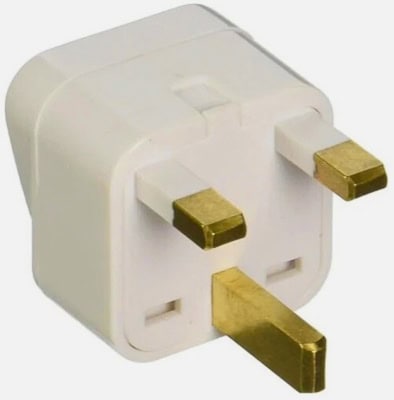
Electricity runs on 230 V / 50 Hz with British-style three-pin plugs (Type G) most common, though you’ll occasionally see Type C and D. Bring a universal adapter. Power is reliable in cities and most hotels, but Bedouin camps in Wadi Rum often run on generators or solar with limited charging — bring a power bank.
Other Interesting Things to Know Before Traveling to Jordan
Jordan is a liberal country, but…
The first thing that you may notice is that Jordan is actually a very open minded country. It is perhaps the most politically liberal of all the countries in the Arab world.
Their constitution provides freedom of speech and freedom of the press. Nonetheless, you’ll end up spending 3 years in prison if you speak against the king, offend the government officials, or other people’s religious beliefs!
Not surprisingly, whenever you’ll get into a conversation with a Jordanian, you’ll hear only praises and good things about their government and especially about their king.
Jordan Is a Refugee Haven
There is a large population of refugees in Jordan. In addition to Palestinians, the country also hosts forced migrants from Iraq, Lebanon and Syria, the majority of which are unemployed.
The Jordanian government takes good care of its citizens (including refugees), offering free and high quality education and healthcare. There are practically no beggars or homeless people in Jordan.
There Is a Dress Code in Jordan
Jordan may be the most acceptant country in the Middle East, but you don’t have to forget that it’s still a Muslim country. Before planning what to pack for Jordan, it’s important to know what locals consider an “appropriate attire” and respect the cultural norms. Tank tops, shorts and very fitted clothes are an absolute NO for women.
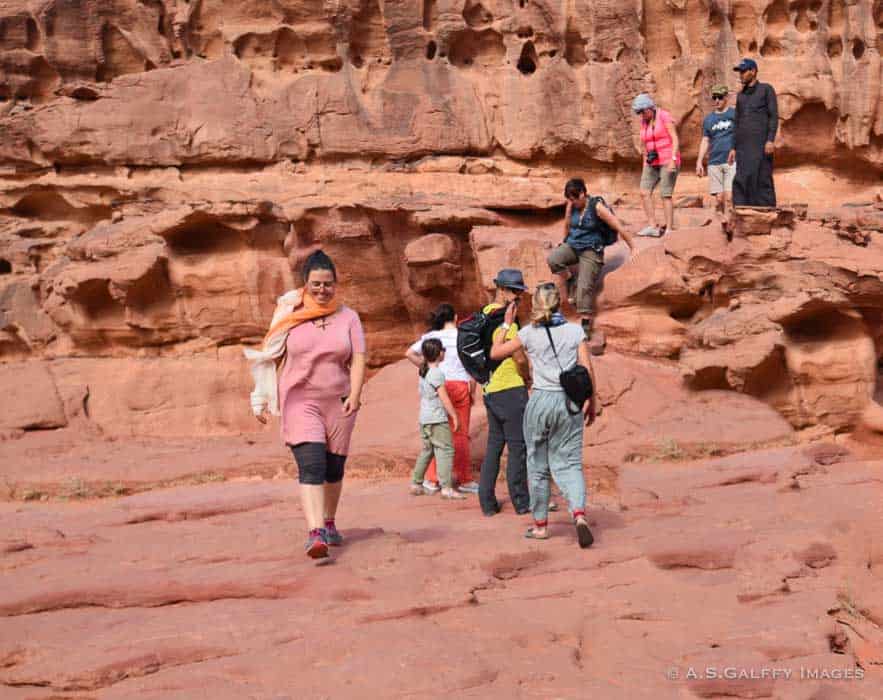
As for men, not wearing a top is equally unacceptable. Wearing a scarf as a woman is mandatory only if you visit a mosque. At the tourist sites you are not required to wear one, but carrying a scarf with you is always a good idea. You can use it to protect yourself from the sun, or the wind.
Jordanians Dislike Public Displays of Affection
One of the things that will surprise you is how often Jordanians hug and kiss each other. But don’t be confused about that. While hugs and kisses are acceptable as a form of greeting, they are totally unacceptable as a sign of affection towards your partner.
This is a very important tip to remember if you are traveling to Jordan. I tried to hug my husband as we were taking selfie and I we have been admonished by a bypasser. You’ll encounter the same disapproval towards public displays of affection in Morocco as well.
English Is Widely Spoken
One thing you don’t have to worry about when you travel to Jordan is not speaking Arabic. Although Arabic is the country’s official language, English is widely spoken too, especially in the cities. Most people in the travel industry speak English fluently, so we didn’t have any problems there.
Bedouins Measure Wealth in Camels
Camels have always been a source of income and of survival for nomad tribes. Their strength and endurance have served in trade, while their wool, milk and meat are used in everyday life. Camels are very resilient animals and live long lives (about 30 years.)
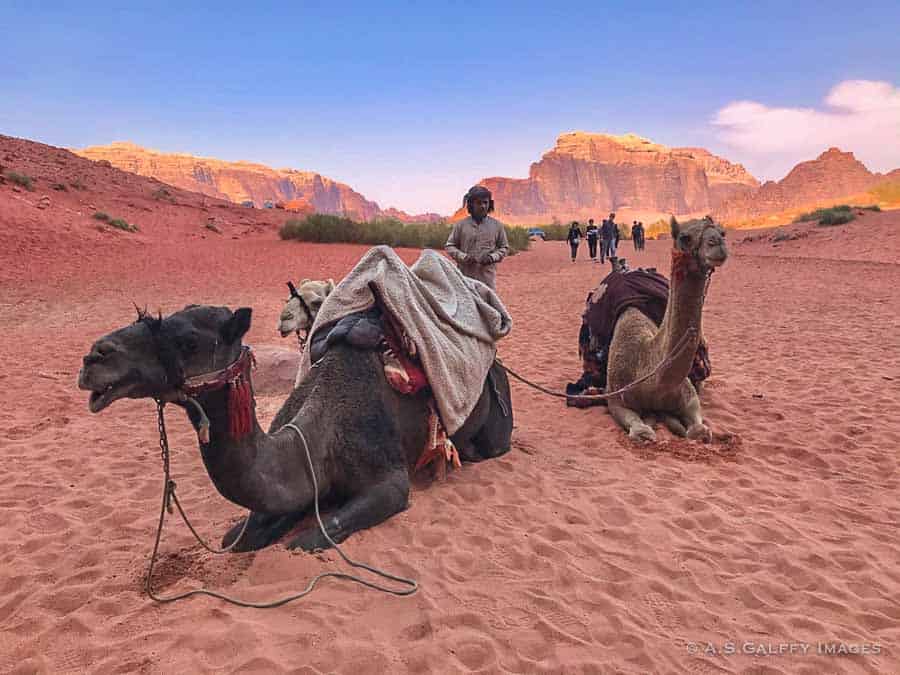
The Bedouins also believe that camel milk has miraculous powers: it heals cancer, sterility and it’s also an aphrodisiac. In Jordan the price of a camel is 3,500 JD (roughly $5,000). It’s easy to see why having more camels will make you a rich man.
Frequently Asked Questions About Traveling to Jordan
Do I need to speak Arabic to travel in Jordan?
No. English is widely spoken in hotels, restaurants, taxis, and at all major tourist sites. Learning a few Arabic phrases like shukran (thank you) and marhaba (hello) goes a long way with locals, but you’ll get by comfortably with English alone.
Can I drink alcohol in Jordan?
Yes, but discreetly. Alcohol is legal and sold in hotels, licensed restaurants, bars, and dedicated liquor shops, but it’s not consumed on the street or in public spaces. During Ramadan, alcohol service is limited and usually only available in international hotels.
Is Jordan good for solo female travelers?
Yes, with sensible precautions. Jordan is one of the easier Middle Eastern countries for solo women, but you may get unwanted attention in remote areas. Dress modestly, avoid the front seat of taxis, and stick to reputable guides and drivers — especially in Wadi Rum and Petra.
What should I pack for Jordan?
Light, modest clothing for daytime, warm layers for cool desert nights, sturdy walking shoes for Petra, a swimsuit for the Dead Sea, a scarf for women, sunscreen, a reusable water bottle with a filter, and a universal adapter. A small daypack is essential for the Petra hike.
Can I visit Jordan and Israel on the same trip?
Yes. Three land borders connect the two countries, and many travelers combine them. Be aware that entering Jordan from Israel via the King Hussein Bridge requires a pre-arranged visa — you cannot get a visa on arrival at that crossing. The other two borders allow visa on arrival.
Do I need travel insurance for Jordan?
Yes, strongly recommended. Healthcare in Jordan is decent but private care is expensive for foreigners. Choose a policy that covers medical evacuation and regional political events, given Jordan’s proximity to unstable areas.
Is there Wi-Fi in Jordan?
Yes, but it’s inconsistent. Most hotels and cafes offer Wi-Fi, though speeds vary. For reliable connectivity, buy a local SIM card at the airport (Zain and Orange are the main providers) or use an eSIM like Airalo before you arrive.
What’s the currency in Jordan and where can I exchange money?
The Jordanian Dinar (JOD). ATMs are widely available in cities and accept international cards. Exchange offices at the airport and in Amman offer fair rates. Avoid exchanging at hotels — the rates are usually poor.
Did you find this information useful? Please pin it for later.
Interested to read about other exotic destinations? You may like these:
Israel Itinerary – Best Places to Visit on a Trip to Israel
What to do in Jerusalem – Best Historical Places to Visit
The Mystery of the Tree-Climbing Goats in Morocco
Tips for Visiting Morocco – All You Should Know Before You Go
Morocco 10 Days Itinerary
How to Visit Israel Like a Pro – Travel Tips
 Jordan Itinerary: How to See the Best of Jordan in a Week




David dorman
This Jordan travel guide is fantastic and so inspiring! I loved how you covered must‑see destinations like Petra and Wadi Rum with practical tips on itineraries and budgeting. The cultural insights and safety advice really help first‑time travelers feel confident about planning their trip. Your photos make Jordan look absolutely stunning! Definitely bookmarking this as I start planning my own adventure to the Middle East—thank you for the great info!
GERALD
I have been to Jordan several times over the past 30 years. I love going there but hate all the room they use in my passport for the visas and stamps. does anyone know if they have gone to the digital visa along the Jordan Pass?
Anda
Not that I am aware of.
Cindy
Jordan has been on my list to get to for so long now (since high school, and you know that was a while ago!), but there were a lot of useful surprises in your tips. For example, I had no idea it was so expensive. I guess I always thought it would be a lot like Egypt cost-wise. Nor did I know it was one of those places were you better not say anything negative about the king, etc. Not that this is unusual in that part of the world, but it’s so different from the USA or Europe. I’m looking forward to getting there someday, but now I know I might want top set a little higher budget for that trip!
Anda Galffy
Good to hear from you, Cindy. Petra was my dream too, but I finally managed to see it. I hope you will too.
Clarice
I have never been to Jordan and know very few things about this country. I think that it is just reasonable that they have laws about speaking against the king, government officials and religious beliefs. There needs to be a stop/ balance between our rights/ freedom of speech. In the Philippines, where I am from, I believe that there is just too much freedom of speech that people become disrespectful already
Krzysztof Lab
Traveling to Jordan doesn’t look easy. It’s good to know all those things you need to be aware of before going to Jordan, like political correctness and travel safety. Now I know that I need a visa to travel there, just have to make sure if we have Jordan embassy in Poland, so maybe a better idea is to get it at the border. The taxi story is similar in all those countries, so I am not surprised. When I plan my travel, I will put Wadi Rum on the list for sure. And I must remember about the dress code!
Arnav Mathur
Quite an interesting piece about Jordan TBH. This does give a better picture about travelling to Jordan, specially about the exorbitant costs of the food and accommodation. Your tip about making use of the Jordan Pass is quite practical and useful.
Mike
Awesome tips in there. We spent about 3 weeks in Jordan and agree with all your points in there…except the expensive part. I mean, it wasn’t SE Asia cheap, but we were able to get around on public transportation and have some super tasty street food. Great overview of a great country!!!!
Anda Galffy
Jordan seems expensive to many people. Especially for what you get for your money.
Indrani
Very useful tips. Particularly the one about arriving by road for a 2 days visit can waive of visa fee. The monuments are stunning, so old yet looks grand. Thanks for the tip on dressing there; very important.
Jane Dempster-Smith
Jordan is an amazing destination. We visited back in 2013 and wish we had read your article, you have provided us with so many great tips, thanks! We found Jordan expensive as well back then. We shared a taxi with another couple we met in our hotel in Amman to travel to Petra, halving the cost still cost us around USD20 which we thought was a good deal back then.
Anda Galffy
It really was a good deal. The prices went up big time since 2013, Jane.
Chloé Arnold
Ahhh I’m so sad we didn’t visit Jordan when we were in Israel. So close yet so far. Your trip looks AMAZING!! Guess I need to go back! I’ll have to remember to get the Jordan Pass before we go!
Anda Galffy
By all means, Chloé. The Jordan Pass will save you a lot of money.
Linda (LD Holland)
We only had one day in Jordon on a tour. But we know we want to go back. So your tips were helpful for planning. We felt it was pretty safe. But good to know there are some topics not to comment on. Very interesting to know that the visa fee can be waived if you stay 2 nights. And good to know you can negotiate a taxi for a long day trip. We missed Jerash and would definitely want to visit on a return trip.
Anda Galffy
Hope you’ll return to visit Jordan in more depth, Linda.
Ada
What a wonderful post! Ive always wanted to visit Jordan, yes mostly for Petra 🙂 Its good to know that taxis are willing to take a such a long journey and I am actually surprised how expensive its over there! I didn’t think about it to be honest but I better start saving money if I gonna plan a trip there 🙂 Love all those tips!