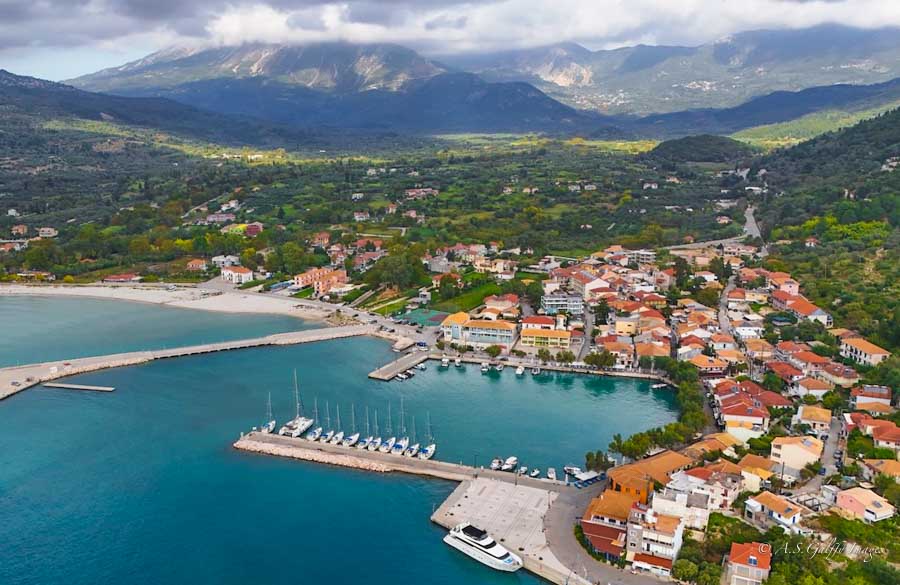
The Ionian Islands are one of Greece’s best-kept secrets, a stunning archipelago of seven main islands along the western coast, where emerald mountains meet turquoise waters and Venetian charm blends with authentic Greek culture. We spent 30 days island-hopping through the Ionians, visiting Corfu, Zakynthos, Kefalonia, Lefkada, Ithaca, Paxos and Kythira. After spending 4-5 nights on each island I truly understood what makes this region so special.
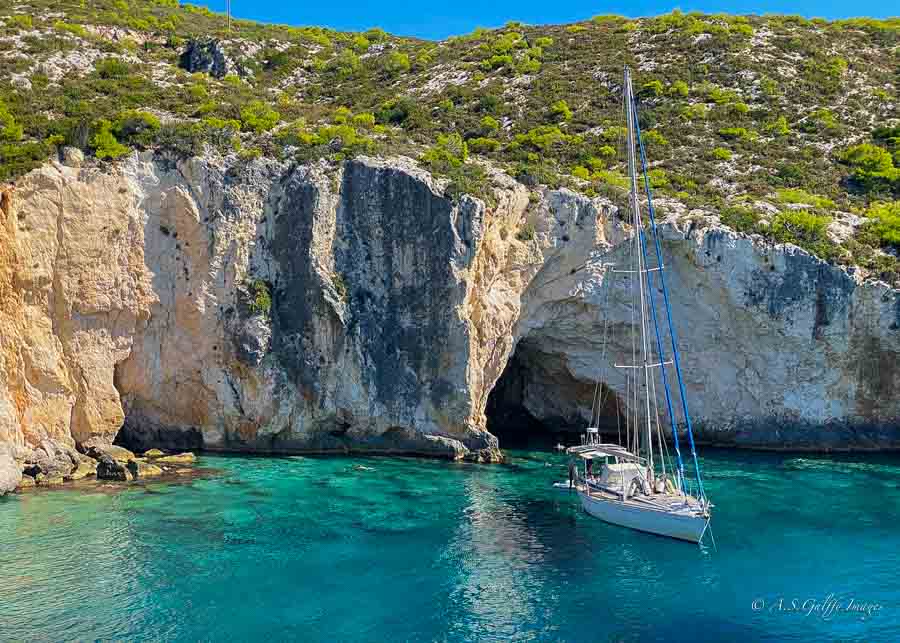
Unlike the more famous Cyclades, the Ionian Islands offer lush green landscapes, dramatic coastlines, and a more laid-back atmosphere that feels worlds away from the typical Greek island experience. In this complete guide, I’ll share everything you need to know to plan your own Ionian Islands adventure, from how to get there and when to visit, to what each island offers and how to navigate between them.
Where Are the Ionian Islands
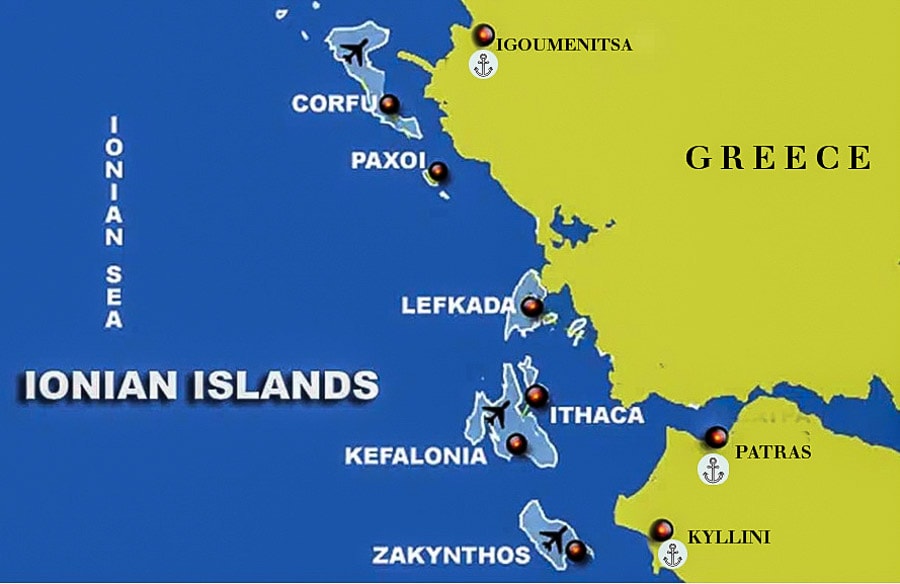
The Ionian Islands – also known as the “Eptanisa” in Greek – are a mesmerizing archipelago located along the western coast of mainland Greece. Consisting of seven main islands and numerous smaller islets, this group forms a stunning cluster in the crystal-clear waters of the Ionian Sea.
The best known and most visited Ionian Islands are: Corfu, Zakynthos, Kefalonia, and Lefkada. The less famous, but equally beautiful are the islands of Ithaca, Paxos and Kythira.
Ionian Islands at a Glance: Quick Comparison
| Island | Best For | Vibe | Recommended Days | Must-See Highlight | Getting There |
|---|---|---|---|---|---|
| Corfu | History, culture & varied beaches | Cosmopolitan, touristy | 4-5 days | Paleokastritsa bays, Venetian Old Town | Direct flights from Europe; ferries from mainland |
| Paxos | Romantic getaway & sea caves | Quiet, upscale, intimate | 2-3 days | Blue caves, Gaios harbor | Ferry from Corfu (2 hours) |
| Lefkada | Best beaches in Greece | Laid-back, beach-focused | 3-4 days | Porto Katsiki, Egremni Beach | Connected to mainland by bridge (no ferry) |
| Kefalonia | Dramatic landscapes & nature | Family-friendly, diverse | 4-5 days | Melissani Cave, Myrtos Beach | Flights from Athens; ferries from mainland |
| Ithaca | Authentic island life | Traditional, peaceful, unspoiled | 2-3 days | Vathi harbor, Homer’s legend | Ferry from Kefalonia or mainland |
| Zakynthos | Iconic photo spots | Touristy but stunning | 3-4 days | Navagio Beach (Shipwreck), Blue Caves | Flights from Athens; ferries from mainland |
| Kythira | Off-the-beaten-path adventure | Remote, authentic, rugged | 3-4 days | Chora village, hidden waterfalls | Flights from Athens; ferries from Peloponnese |
All these islands are renowned for their natural beauty, rich history and interesting culture. And the best part is that they have not yet affected by overtourism. What they all have in common are idillic beaches with golden sand and turquoise waters, lush green vegetation, ancient ruins and fantastic local cuisines. However, each island possesses its own distinctive charm, personality and allure which is why visiting each one will be a very different experience.
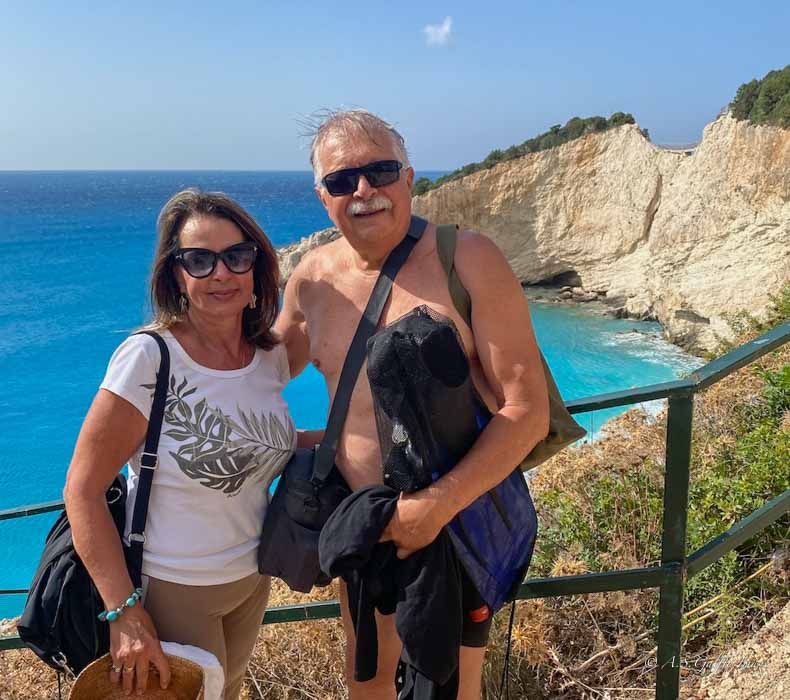
How Do the Ionians Differ from the Other Greek Islands
When you think of the Greek islands, most likely the Cyclades first come to mind. The white washed houses with blue window frames, the cobblestone streets and the windmills became almost a symbol of the Greek islands. But although both groups are amazing, they couldn’t be more contrasting.
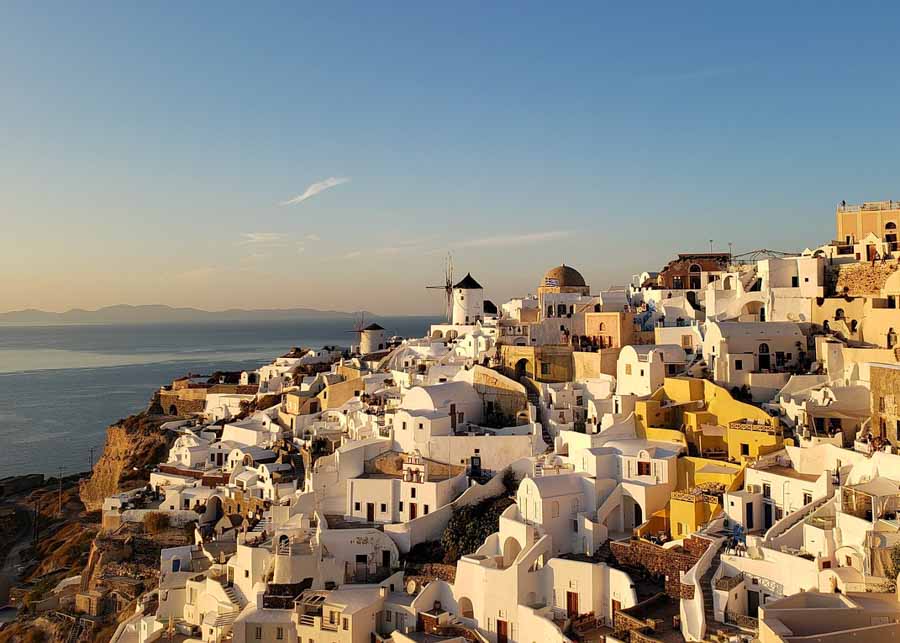
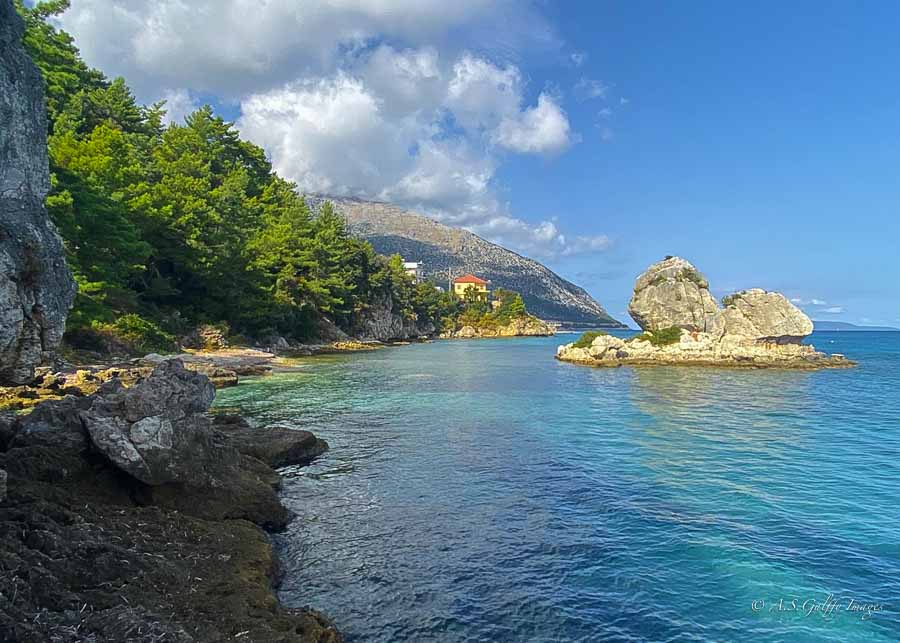
The Cyclades not only have a very different architectural style than the Ionian Islands, but they also have a much drier climate and therefore less vegetation. In contrast, the Ionians feature a much greener landscape, which in contrast with the cobalt-blue waters makes them look flawless!
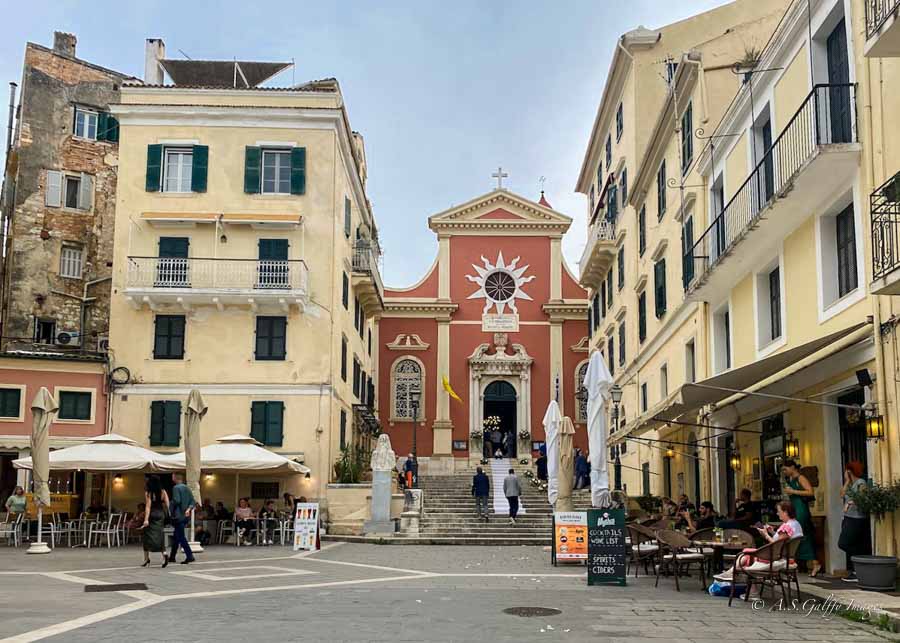
Another considerable difference is fact that the Ionian Islands have a strong connection to Italy, both historically and culturally. This is particularly visible in Corfu town which has a very distinct Venetian flair.
Also, these islands are generally larger than the Dodecanese or the Cyclades, so you can easily spend 7-8 days on each one.
How to Reach the Ionian Islands in Greece
Ionians are great and very diverse islands, but are not very easy for island hopping. Connecting among them sometimes requires returning on the mainland and traveling to a different port. They are however easily accessed by plane, unlike the Cyclades which require a stop in Athens and a ferry crossing in the Aegean.

There are direct flights from many European capitals to Zakynthos, Kefalonia and Corfu. But if you want to reach the smaller islands like Paxos or Ithaca, you’ll need to fly to the nearest large island and get a ferry connection.
The Ionian Islands can also be accessed by ferry from mainland Greece. There are several ports on the western coast of Greece, like Patras, Kyllini, and Igoumenitsa. From Kyllini you can get to the island of Zakynthos, or to the town of Poros, on Kefalonia. The ferry ride takes approximately 1.5 hours.
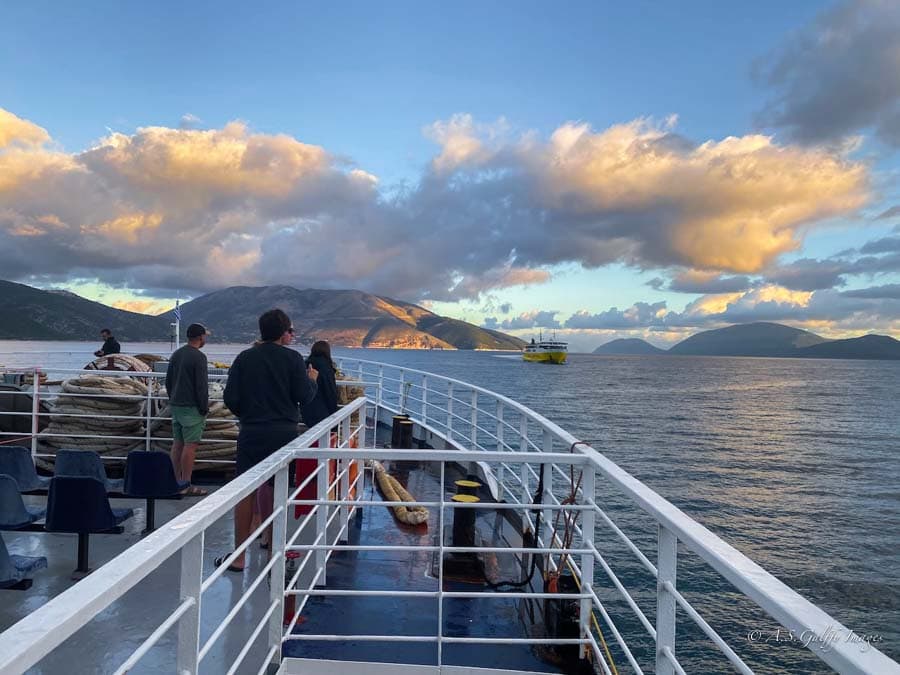
From the port of Igoumenitsa which is farther north, you have ferries that go to Corfu. The rides can take anywhere from 45 minutes to 1.5 hours, depending on the type of ferry you choose (hydrofoil, or regular ferry). We usually use Direct Ferries for booking ferry tickets, but you can also buy tickets in person at the ferry terminal.
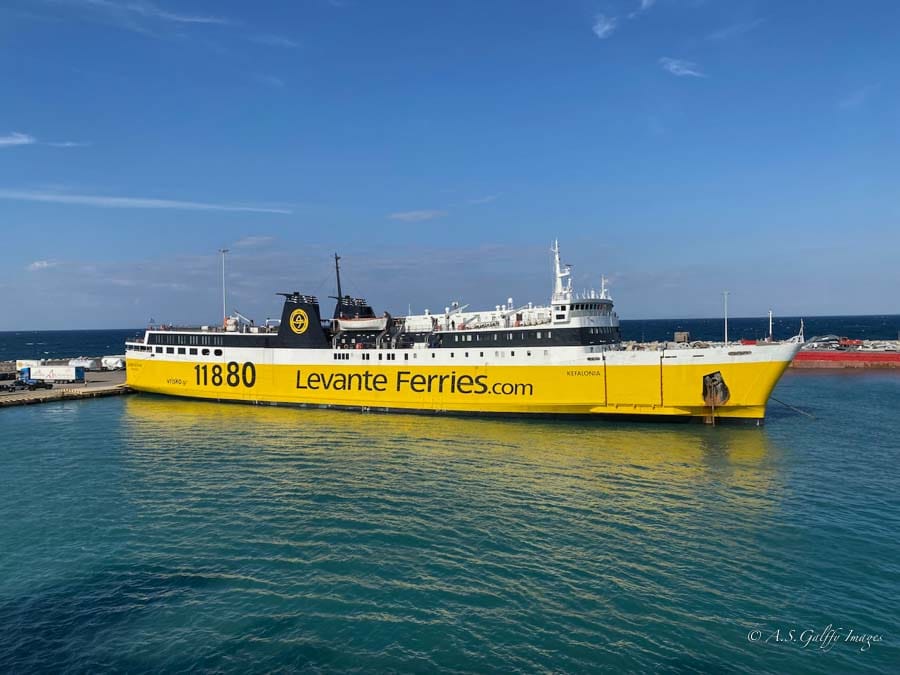
There are also ferry routes from the port of Patras to the town of Sami in Kefalonia, or to the port of Pisaetos on Ithaca. However, these ride takes longer (about 3.5 hours to Sami, or 4 hours to Pisaetos), so they are not a convenient option.
NOTE: There are no passenger ferries departing from Athens.
The Best Time to Visit the Islands
The peak season in the Ionian Islands is in summer: June, July and August. This is when you’ll get almost permanent sunshine and virtually no rainfall. But this is also the busiest and hottest time of the year, when temperatures can reach 100ºF (39-40ºC).
If you are looking for good weather to do some hiking in the mountains of Lefkada or Corfu, spring is your best bet. From April till the end of May there is less risk of storms and the temperatures are pleasant for walking and sunbathing. However, the water is not warm enough for swimming. Until June the average sea temperature is 65ºF (18ºC), which may seem cold to some people.
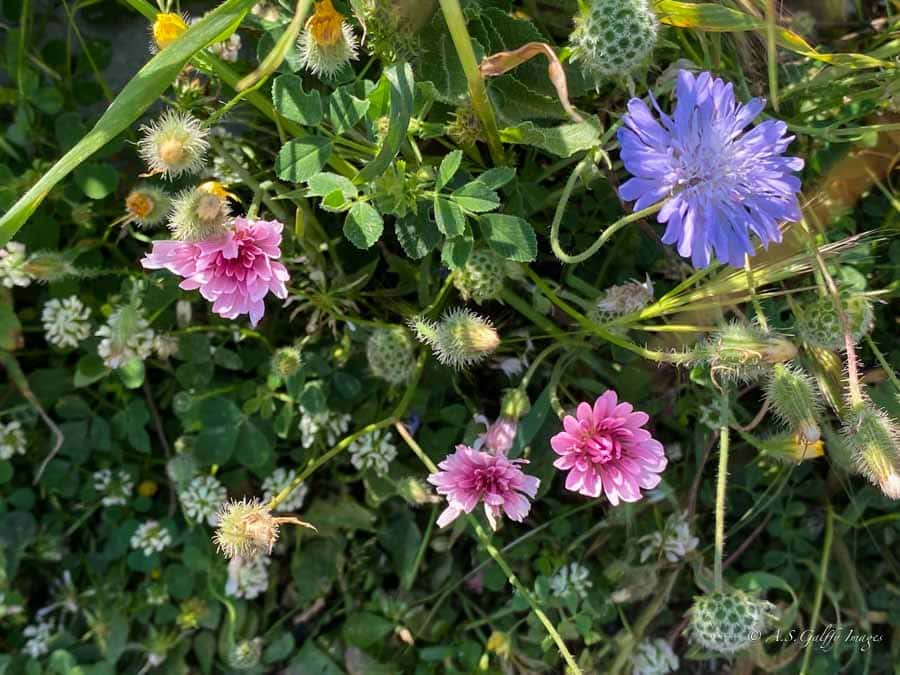
Autumn on the other hand offers the best of all worlds. Temperatures are still warm, prices are lower, and the herds of tourists are gone. People who travel regularly to the Greek Islands consider the period between mid September to mid October the ideal time for visiting the Ionian Islands as well. At the beginning of October you can expect daily highs up to 82ºF (28ºC) and 10-11 hours of daylight per day.
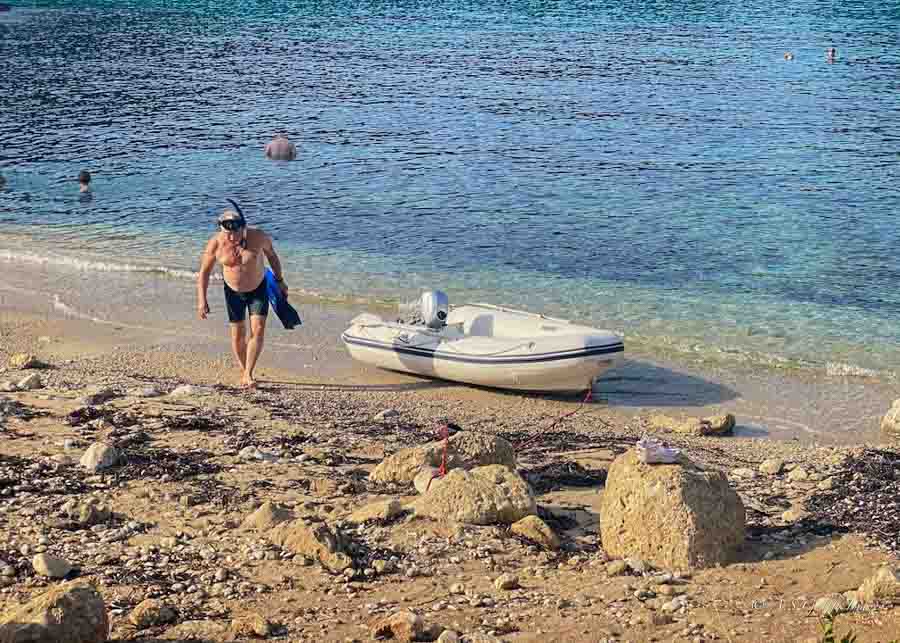
Although it is considered the shoulder season, fall in Greece feels more like an “Indian Summer.“ It’s a period of abnormally warm weather with clear skies and cool nights. The sun is still shining and the sea is pleasantly warm for swimming. Even though you mai expect some rain, the average rainfall in October doesn’t exceed 5-6 days in Greece.
How to Move Around When Visiting the Ionian Islands
By Car
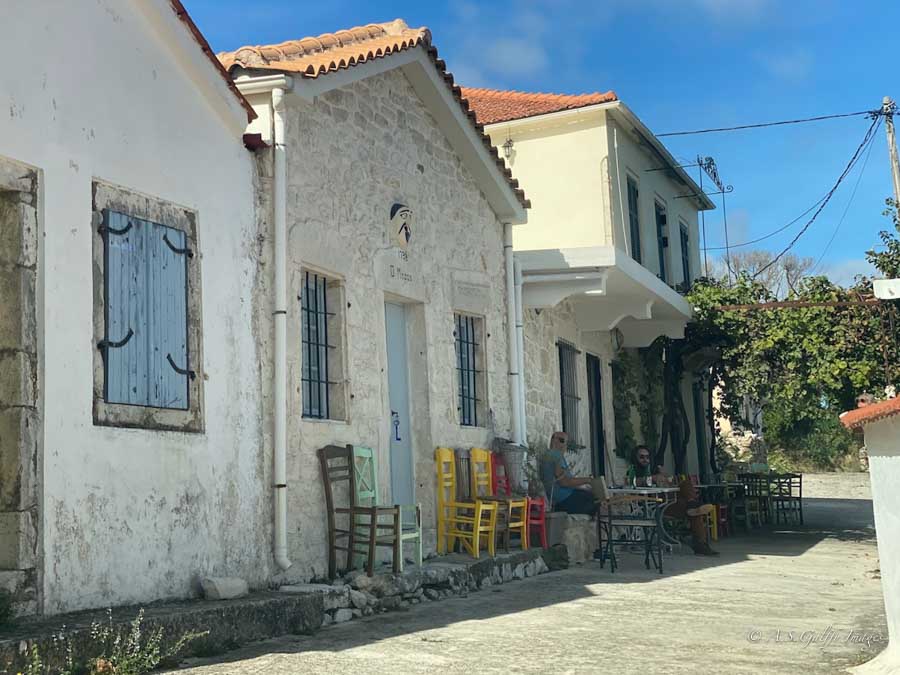
The most efficient way to visit the islands is obviously by car. There are car rental agencies on each island. But if you plan to do some island hopping, it’s cheaper to rent a car and keep for the entire trip duration. Then move between the islands by ferry.
By Scooters/Motorcycles/Quads
Another option is to use scooters, motorcycles, or quads. The minimum age to rent a scooter in Greece is 18 years. You’ll also have to possess a valid driving license and an International Driving Permit certifying the categories of vehicles you’re allowed to drive.
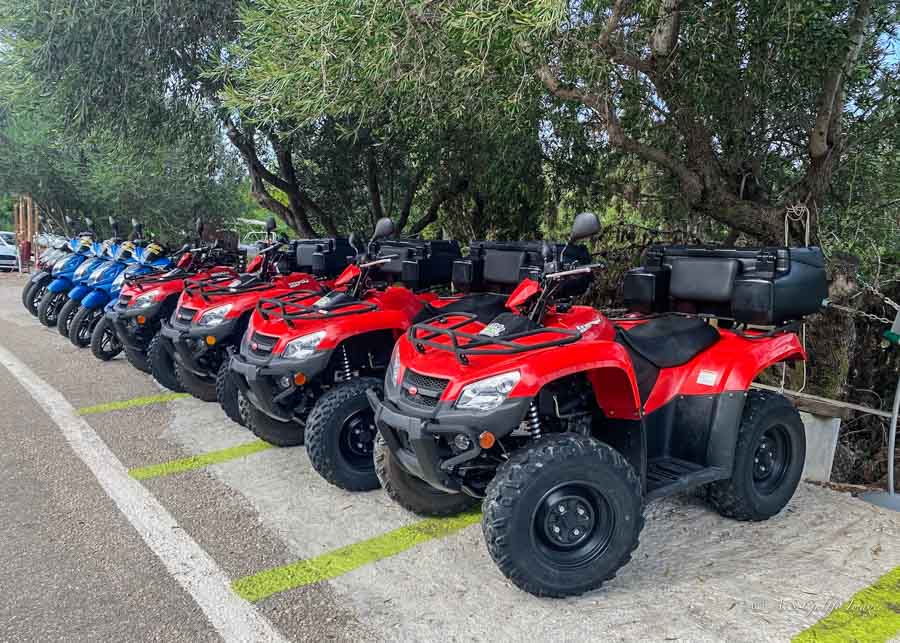
The vast majority of ental companies will only lease you a vehicle if your driving license includes one of the following categories: AM, A1 or A. These qualify you to drive mopeds/scooters and light motorcycles and quads, most commonly between 50 to 125 cc.
How is Driving in the Ionian Islands?
Driving on the Ionian Islands is more difficult than driving on the mainland, where you have toll roads and motorways. While the major roads are fine on the islands, you’ll also have to drive on many rural roads. These are sometimes winding, steep, and narrow. That’s especially true in the mountains, where you’ll come across sharp turns with blind spots.
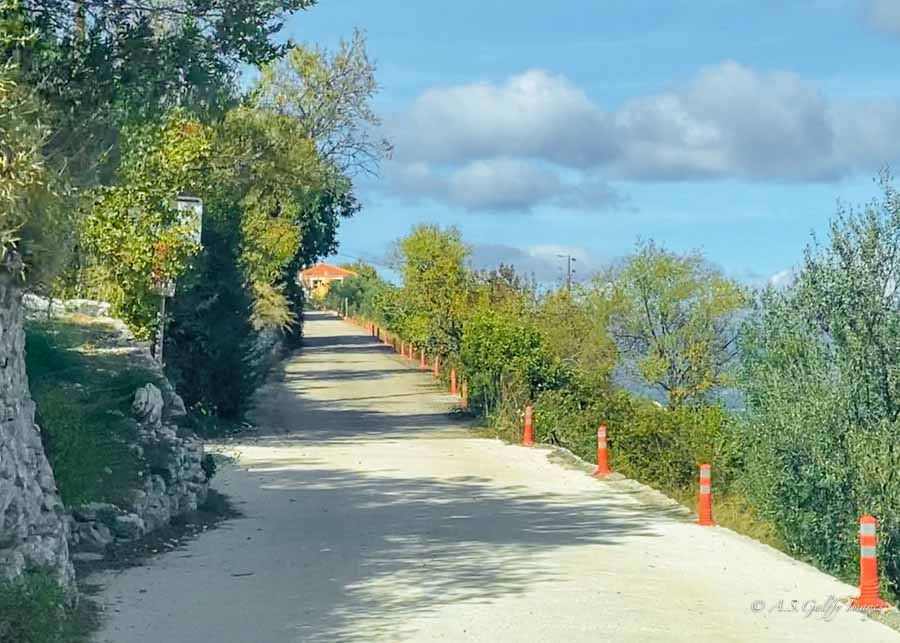
Another problem you may encountered is with Google Maps. For us, the app worked great most of the time. However, because it tends to choose the shortest routes, it often took us on poorly maintained roads. Eventually we would get to wherever we needed to get, but with difficulty!
The risk of accidents is pretty high in the Ionian Islands, so if you are renting a car make sure your contract includes a Collision Damage Waiver. If it doesn’t, it’s worth paying the extra money to buy one.
By Public Transportation
If you don’t want to drive, you can use public transportation (local busses, taxies, private transfers, or organized tours).
Bus
All the Ionian Islands have a KTEL public bus system. The busses include routes to the most touristy destinations on the islands. You can buy your ticket before departure at the bus stations, or at the small kiosks next to the main stops.
Cabs
You can also use taxies to get from one place to another. Cab fares on the islands are much lower than elsewhere in Europe and are normally set by the government. That means that each trip has a fixed rate based on mileage. As a result, it’s not unusual for the cab driver to stop and get more passengers if there is room in the car.
Organized Tours
If you prefer to explore the islands with the help of an experienced local guide, you’ll have plenty of tours to choose from. Each island offers its own tailored tours, so you can look for the local tourist booths or choose something online.
Best Islands to Visit in the Ionian Sea
Ideally you should visit all the Ionian Sea islands as each one of them offers a different experience. After spending almost a month moving between these islands, we believe the ones listed below capture the essence of this region. So here is what you can expect when visiting them.
Zakynthos (Zante)
Zakynthos is the southernmost of the Ionian Islands. That is if you exclude Kythira, which is even farther south, opposite the south-eastern tip of the Peloponnese peninsula. After Corfu, Zante (as the locals call it) is undoubtedly the most visited island of the archipelago.
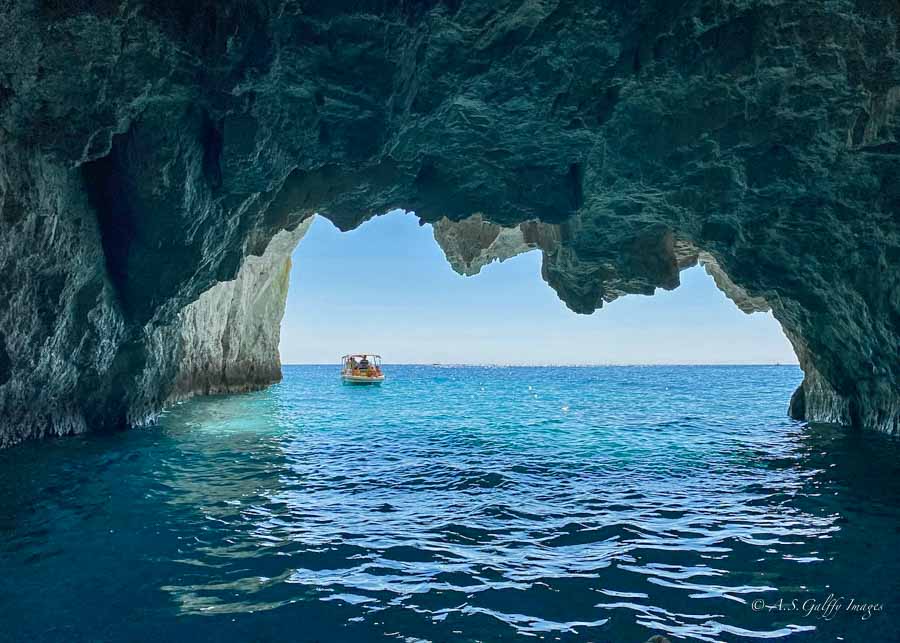
It’s a very exotic place with rugged white cliffs covered in vegetation and incredibly picturesque beaches. A true paradise for snorkeling and scuba diving. There is a reason why the Venetians called it “the Flower of the East!”
From ancient ruins, castles, churches and monasteries, to natural parks and caves you’ll find a wealth of attractions on Zakynthos.
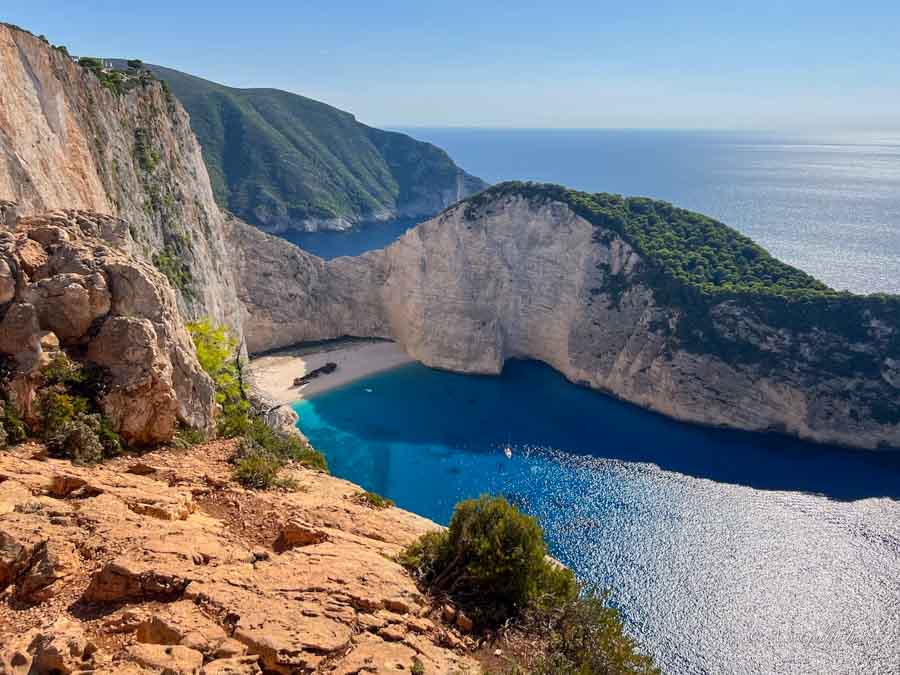
But the two sites that made this island famous are the Blue Caves and Navajo Beach, also known as the “Shipwreck Cove.” Both these places can be visited on a boat tour.
Kefalonia (Cephalonia)
Kefalonia sits right between Lefkada and Zakynthos and has regular ferry links to both of those islands. With its exotic beaches, magical underground caves and green forests, this island is a favorite among nature lovers.
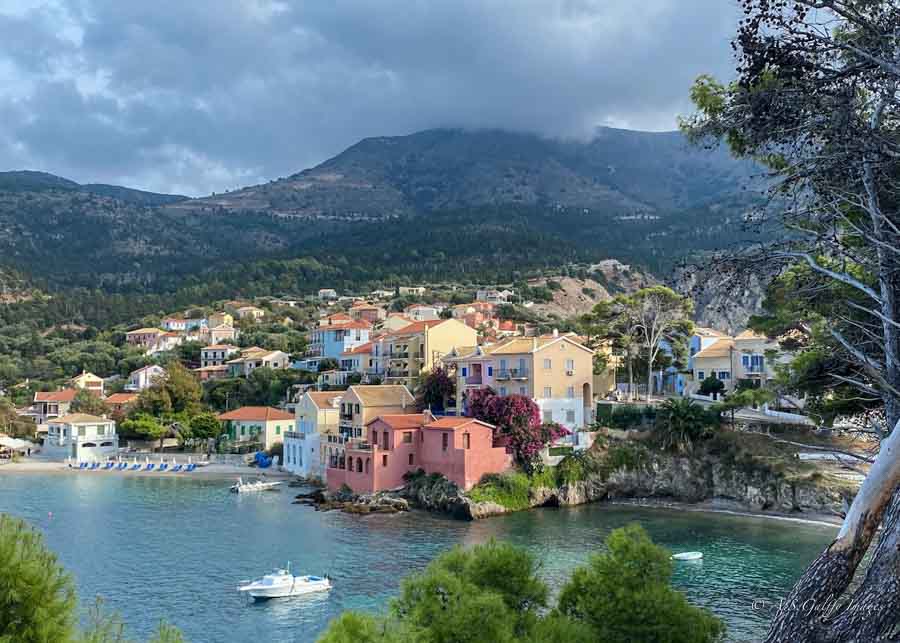
Because it’s the largest of all the Ionian Islands it never looks too crowded, not even in summer. There is always enough room to stretch out on the beach, or find an empty table at the village taverna.
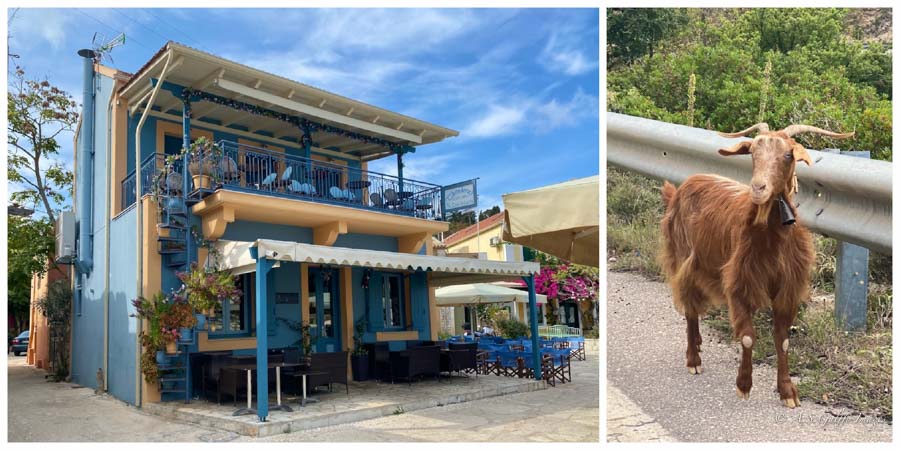
Largely unspoiled by overdeveloped tourism, Cephalonia will give you a sense of peace and tranquility. Life here has a slower and calmer pace. People make a living by raising goats, growing crops, or looking after their olive trees. All over the island you’ll find small family-run cafés that lure you in with their local dishes.
Sadly, the 1953 earthquake destroyed nearly all the buildings on the island. Even the church bell towers were destroyed. Since then Kefalonia has been rebuilt, but the beauty of the original buildings was lost in the rebuilding. Only a handful of villages like Assos and Fiskardo survived. They are the only ones that still maintain the authentic character of old Kefalonia.
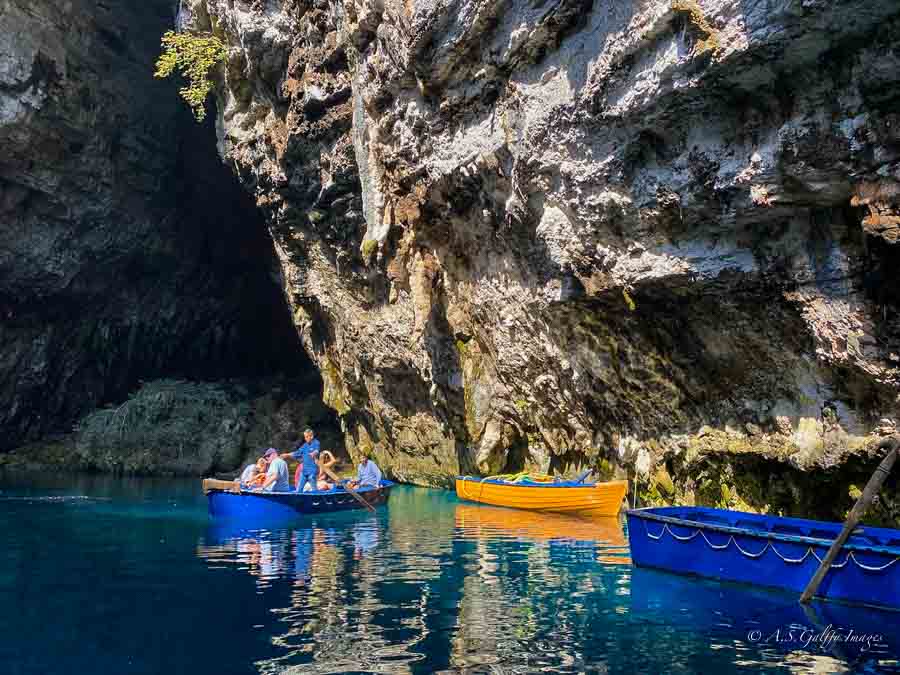
Kefalonia has plenty of attractions, from Mycenaean tombs, Byzantine ruins and Venetian castles, to unspoiled beaches and fantastic caves. The most famous are Drogarati Cave and Lake of Melissani Cave.
But one of the island’s most recognizable landmarks is De Bosset Bridge in Argostoli, that connects the capital town to the opposite mainland of Kefalonia. This pedestrian bridge is the largest stone bridge ever constructed on a seawater body.
Ithaca (Ithaki)
Ithaca is just a 45-minute ferry ride from Kefalonia. With its hidden coves, tall mountains and ancient ruins, Ithaca is a much smaller version of its nextdoor neighbor. It is also much quieter and totally unspoiled. An amazing place to visit if you are looking for a more relaxing holiday, away from the busy nightlife of the other islands.
Ithaca was home to one of the most famous Greek heroes, Odysseus (Ulysses) of Homer’s epic poem The Odyssey. But apart from its mythical fame, the island has incredible natural beauty. It is covered with lush green vegetation and surrounded by exotic beaches with emerald green waters.
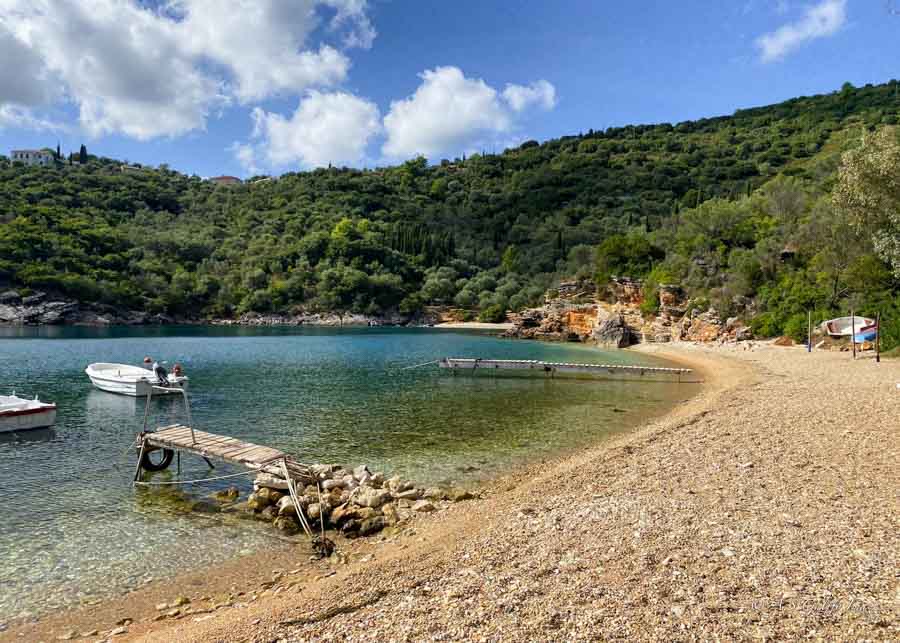
Although not as popular as the other Ionian Islands, Ithaca has a particular charm that makes you fall in love with it right from the start. It looks more authentic and laid back than the other islands, with well preserved villages scattered along the coase and on the slopes of the mountains.
There is plenty to see and do in Ithaki, but since the island is not very big most people visit it as a day trip from Kefalonia, like we did. However, once you discover its charm you realize that one day is not enough for this natural paradise!
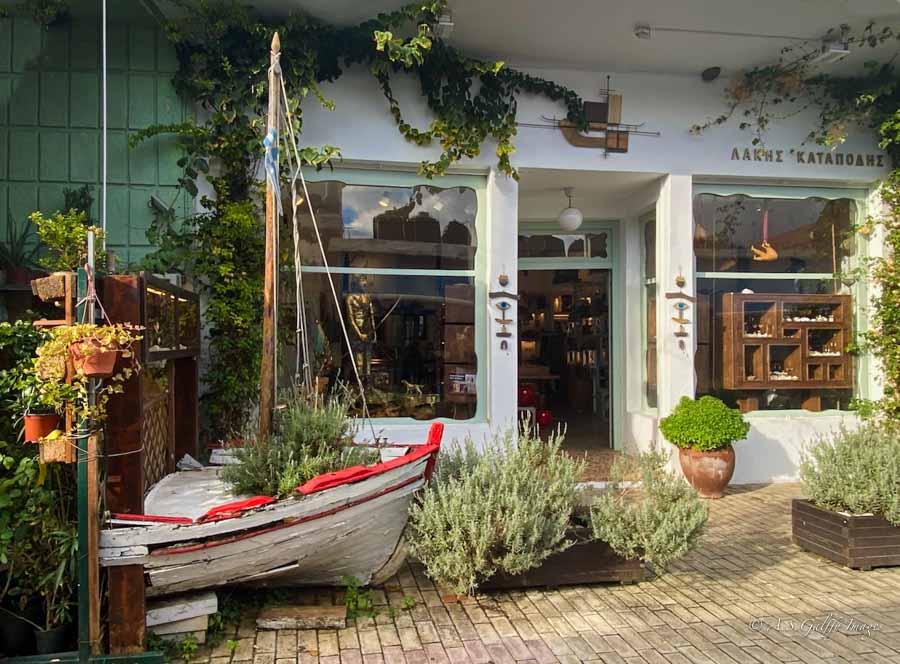
The island’s most beautiful town is Vathi, an old settlement with a pronounced Venetian character. The town has pretty houses with tiled roofs, imposing mansions and picturesque stone-paved alleys.
Lefkada (Lefkas)
Located between Corfu and Kefalonia, Lefkada is the only island in the Ionian Sea that is connected to the mainland by a bridge. Because it’s accessible by car, Lefkada sees more visitors per year than the other islands.
The island is also a big hub for those coming to pick up their yachts and sail around the Ionian Sea. Nydri, Lefkada’s main port, looks more like a forest of masts with hundreds of sailboats docked next to each other.
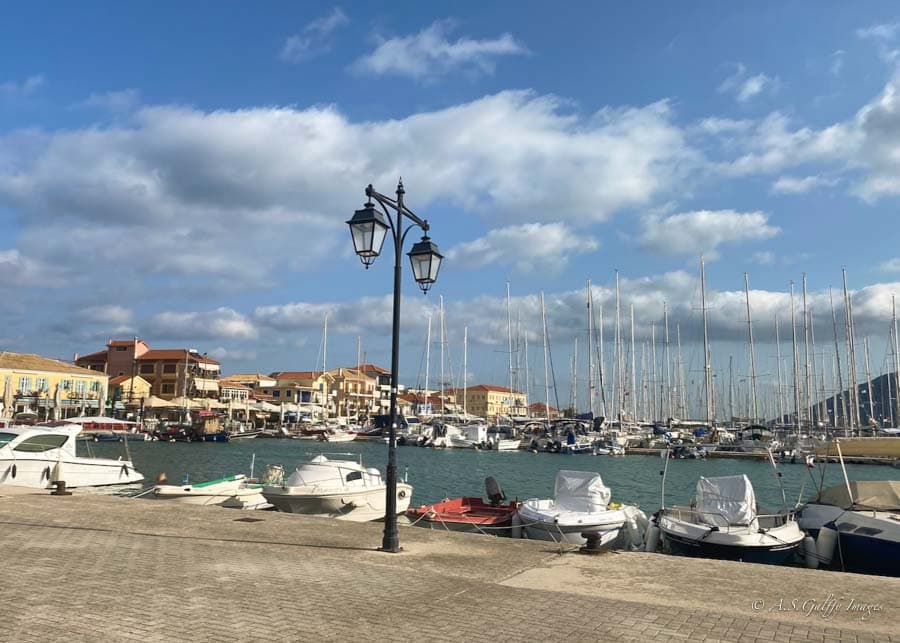
Like all the other Ionian Islands, Lefkada has impressive scenery, lots of vegetation, picturesque villages, churches and monasteries. Unfortunately its popularity makes it look very crowded, especially around Nydri where many charter flights from the UK land.
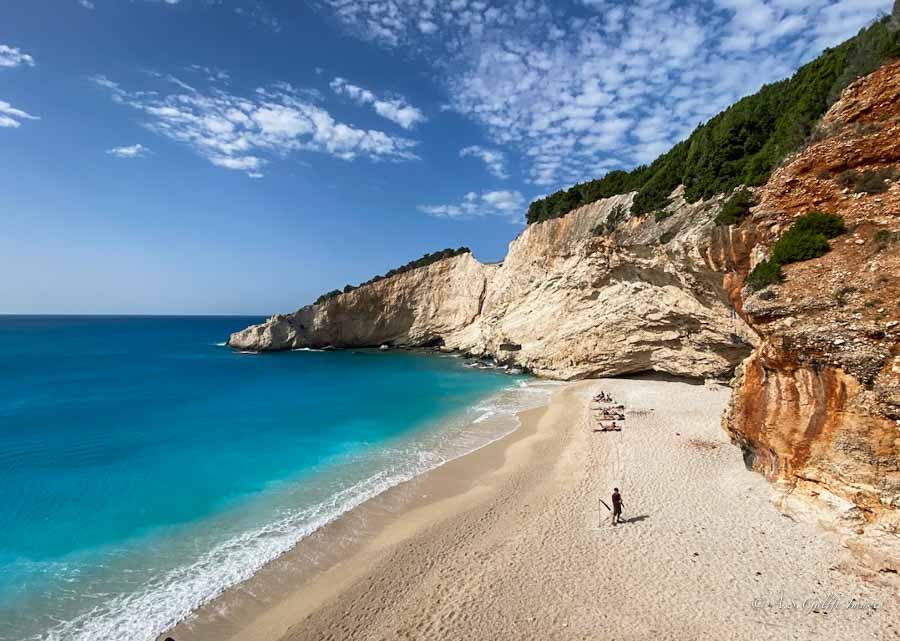
From our experience Lefkada (Lefkas) has many different “faces,” depending where you go. So if you want less crowds and pristine beaches, you should head to the northern or southern part of the island, to towns like Vasiliki and Agios Nikitas.
Corfu (Kerkyra)
Corfu is a long way north of the other Ionian Islands and thus more difficult to connect to. Reaching it would involve a lengthy trip both on land and by ferry.
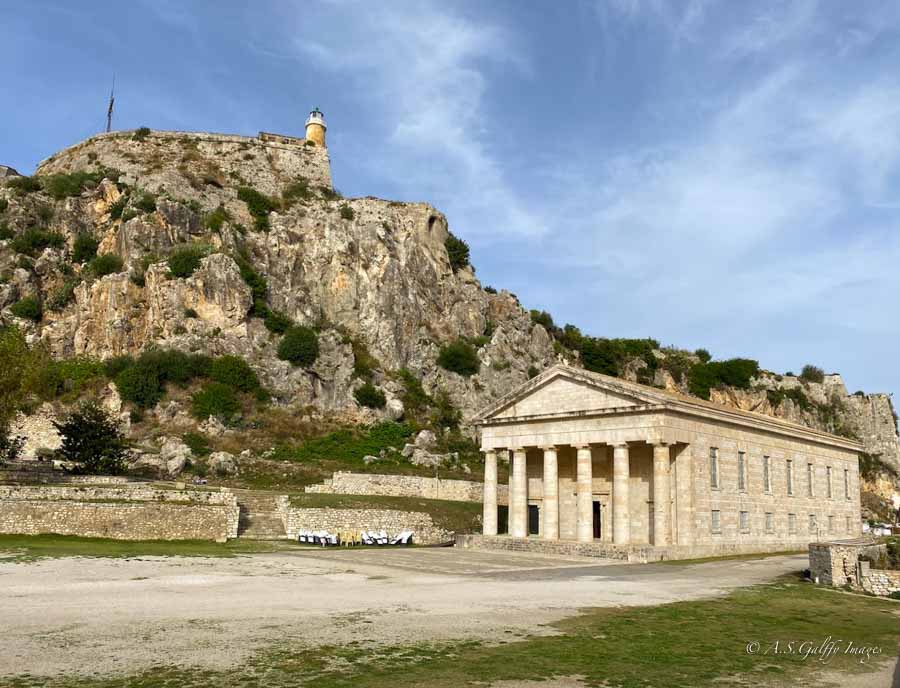
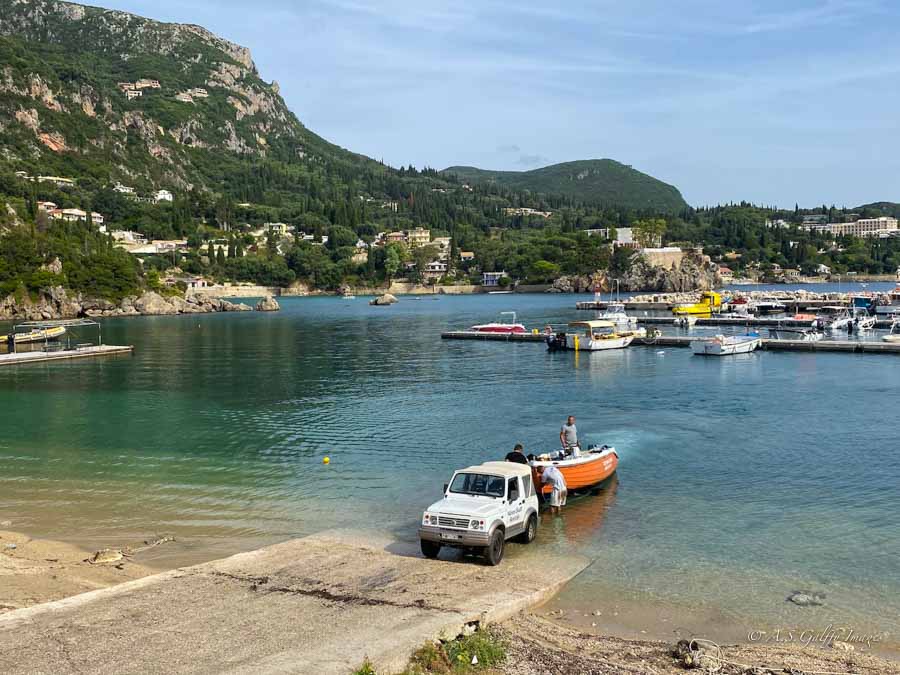
Nonetheless, the island has a lot going for it: golden beaches with crystal clear waters, enchanting pine forests, old churches and monasteries, and even Byzantine and Venetian castles. Corfu is a traveler’s paradise that caters to a wide variety of visitors, from beach and nature lovers to city wanderers.
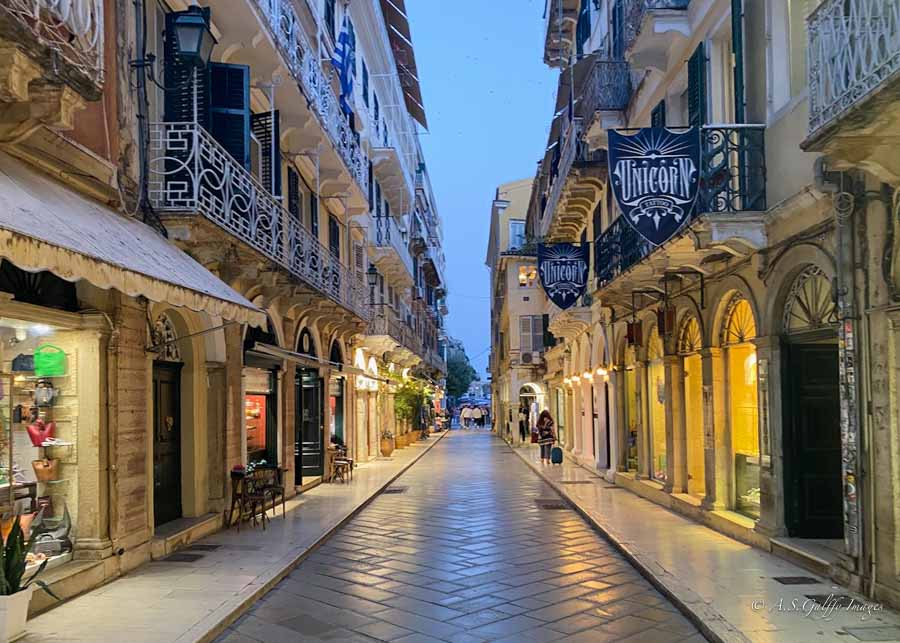
What makes Corfu very different from the other Ionian Islands is its architecture, which looks more Italian than Greek. That’s the result of 400 years of Venetian occupation after Corfu was separated from the Roman and Byzantine Empires.
Corfu is undoubtedly one of the most beautiful and famous islands in Greece. The island has a reputation for being over touristy, especially after serving as the filming location of the popular TV series “The Durrells in Corfu.” But while there are indeed busy and overdeveloped areas (like Corfu town, Sidary, or Kavos), you can still avoid them by heading to the interior of the island.
Budget for the Ionian Islands
Planning your budget for the Ionian Islands depends on your travel style and when you visit. Prices fluctuate significantly between low season (November-April) and high season (July-August), so use these ranges as general guidelines.
Ferry Costs Between Islands
Ferry prices vary considerably by route, season, and whether you’re traveling as a foot passenger or bringing a vehicle:
- Short routes (Igoumenitsa-Corfu, Corfu-Paxos, Kyllini-Zakynthos): €5-20 per person
- Medium routes (Patras-Kefalonia, Patras-Ithaca): €15-30 per person
- Longer inter-island routes (Corfu-Zakynthos): €30-50+ per person
- Vehicle transport: Add €30-80+ depending on vehicle size and route
Important note: These are foot passenger prices. If you’re bringing a car, prices increase significantly (e.g., Igoumenitsa-Corfu with car costs €33.70 for 2 adults + car).
Money-saving tip: Book ferries in advance during high season and compare prices on FerryHopper, Direct Ferries, and at local ticket offices. Prices can vary between booking platforms. However, if you travel off season, it is cheaper to buy the ferry tickets directly from the booth because they are cheaper than online.
Accommodation Price Ranges (Per Night)
Accommodation costs vary significantly by island, location, and season. Expect to pay roughly:
- Budget (hostels, basic studios): €30-70
- Mid-range (hotels, nice apartments with kitchens): €70-150
- Luxury (sea-view villas, boutique hotels): €150-400+
Prices double or even triple during peak summer months (July-August) compared to shoulder season (May-June, September-October). Kefalonia and Zakynthos tend to be slightly pricier than Lefkada, Paxos, or Ithaca.
Daily Food and Activity Costs
Here’s what you can expect to spend per person daily:
- Breakfast: €5-15 (café or self-catered)
- Lunch: €10-20 (taverna meal)
- Dinner: €15-35 (traditional taverna with wine)
- Beach activities: Free to €15 (sunbed and umbrella rental)
- Boat tours: €30-80 per person depending on duration
- Car rental: €25-60 per day (highly recommended for most islands)
- Fuel: €15-30 per day depending on exploration
Daily spending average: Budget travelers: €50-80/day | Mid-range: €100-180/day | Luxury: €200+/day
Sample Total Budget
7-Day Trip (2 islands, mid-range travel):
- Accommodation: €560-980 (7 nights)
- Ferries: €50-120 (2-3 ferry trips)
- Car rental: €175-350 (7 days)
- Food and drinks: €700-1,050
- Activities: €100-200
- Total: €1,585-2,700 per person
14-Day Trip (3-4 islands, mid-range travel):
- Accommodation: €1,120-1,960 (14 nights)
- Ferries: €100-250 (4-5 ferry trips)
- Car rental: €350-700 (14 days)
- Food and drinks: €1,400-2,100
- Activities: €200-400
- Total: €3,170-5,410 per person
Note: These estimates assume sharing accommodation with a travel partner. Solo travelers should budget 30-50% more for single supplements. Budget travelers can reduce costs significantly by staying in hostels, cooking meals, using public transport where available, and limiting paid activities. High season travel (July-August) will push you toward the upper end of these ranges or beyond.
Perfect question! You’re right—since your post is a general overview rather than island-by-island deep dives, you need a different approach than what Wander-Lust did.
Where to Stay & Eat in the Ionian Islands
Accommodation Tips
The Ionian Islands offer accommodation for every budget and travel style. Here’s what to expect across the islands:
Accommodation Types:
- Traditional studios and apartments: The best value, especially for stays of 4+ nights. Most include kitchenettes, allowing you to save money by preparing some meals yourself.
- Family-run guesthouses: Offer authentic local hospitality and insider tips. Often include breakfast and are located in quieter areas.
- Beach resorts: Found primarily on Corfu, Kefalonia, and Zakynthos. Best for families wanting all-inclusive options and organized activities.
- Boutique hotels: Corfu and Kefalonia have the most options, particularly in historic towns and coastal villages.
Where to base yourself:
- Corfu Town or Paleokastritsa on Corfu for easy access to beaches and culture
- Argostoli or Fiscardo on Kefalonia for a mix of town amenities and beach proximity
- Zakynthos Town or quieter Vassilikos Peninsula on Zakynthos
- Nidri or Lefkada Town on Lefkada for central access to the island’s famous beaches
Booking tip: Book well in advance for July-August, especially for popular areas like Fiscardo and beachfront properties. Shoulder season (May-June, September-October) offers more flexibility and better rates.
Dining in the Ionian Islands
One of the best things about Greek food is that you’ll find excellent tavernas no matter which island you visit. The Ionian Islands have a distinct culinary identity influenced by centuries of Venetian rule, setting them apart from other Greek island groups.
What to eat:
- Sofrito (Corfu): Veal cooked in white wine, garlic, and vinegar sauce
- Bourdeto (Corfu): Spicy fish stew with red pepper
- Robola wine (Kefalonia): The island’s signature white wine—crisp and citrusy
- Fresh seafood: Grilled octopus, sea bream, and scorpion fish are caught daily
- Kefalonian meat pie (Kreatopita): Savory meat pie with rice and spices
Where to find the best meals:
- Follow the locals: If a taverna is full of Greek families at lunch, the food is authentic and well-priced
- Waterfront tavernas: Look for places where you can see fishing boats from your table
- Family-run establishments: Often serve recipes passed down through generations using locally sourced ingredients
- Avoid the main tourist strips: Walk one or two streets back from the waterfront for better value and authenticity
Dining tips:
- House wine served in carafes is often excellent quality and far cheaper than bottled wine
- Lunch is typically served 1-4pm, dinner starts around 8-9pm
- Many tavernas don’t take reservations—arrive early or be prepared to wait during peak season
- Tipping 5-10% is appreciated but not mandatory; rounding up the bill is common practice
Frequently Asked Questions About the Ionian Islands
I recommend at least 10-14 days to visit 3-4 islands without feeling rushed. A week allows you to explore 2 islands comfortably.
Corfu and Kefalonia are best for families, with calm beaches, family-friendly resorts, and plenty of activities.
While possible on Corfu using buses and taxis, I highly recommend renting a car on Kefalonia, Zakynthos, and Lefkada to reach the best beaches and viewpoints.
May-June and September-October offer the best balance of great weather, fewer crowds, and lower prices. July-August is peak season with higher prices and more tourists.
The Ionians are greener, less crowded, and more affordable than the Cyclades. Choose Ionians for nature and relaxation, Cyclades for iconic white-and-blue villages and nightlife.
Regular ferries connect the main islands, though some routes require going via mainland ports. Book through FerryHopper or Direct Ferries.
A Final Word
After spending 30 days island-hopping through the Ionian Islands, I can confidently say there’s no single “best” island—each offers something completely unique. However, if you’re planning your first visit and can only choose three islands, I’d recommend Corfu, Kefalonia, and Zakynthos. This trio gives you the perfect combination of dramatic natural landscapes, rich Venetian history, iconic beaches, and authentic Greek culture.
That said, don’t overlook the quieter islands like Ithaca, Lefkada, or Paxos if you’re seeking a more peaceful, off-the-beaten-path experience. The beauty of the Ionian Islands is that you truly can’t go wrong—each island will surprise you in different ways.
Planning your trip? Check out my detailed guides to Corfu, Kefalonia, Zakynthos, and Ithaca for island-specific itineraries and insider tips. And if you’re still deciding which Greek islands to visit, read my comparison of Greece in October to plan the perfect timing for your adventure.
Which Ionian island are you most excited to visit? Let me know in the comments below!
 Meteora Monasteries – Your Guide to the Most Sacred Site of Greece