
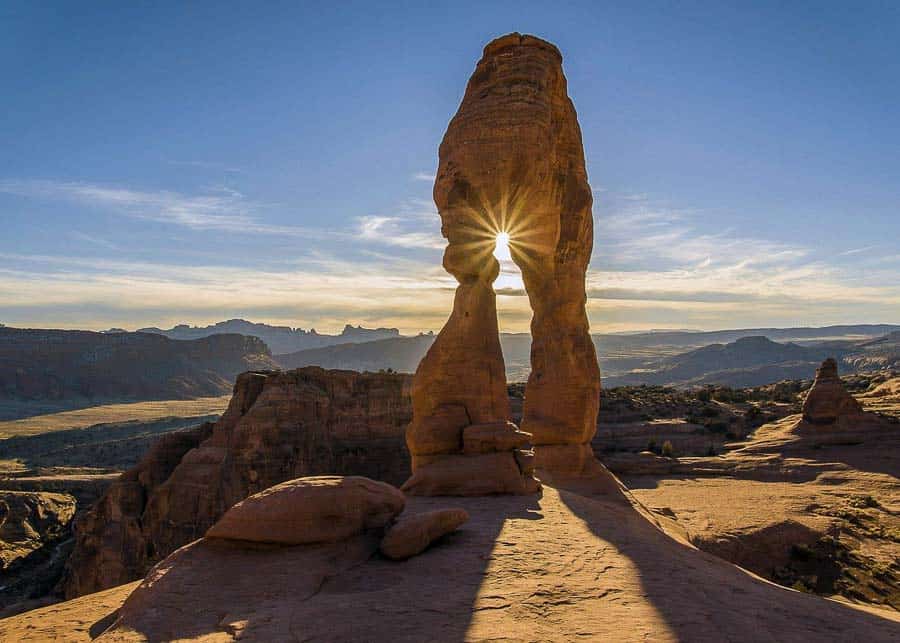
Most people come to Las Vegas for gambling, entertainment, or shopping and give very little thought to the beautiful State and National Parks that surround the city. But for those who want to get away from the busy streets and flashing lights, Las Vegas offers a great base for some amazing day trips and outdoor adventures.
Note: In this guide I focus on the most beautiful national parks near Las Vegas, plus a few nearby state parks and protected areas that are just as impressive. All can be visited as day trips or short getaways from the city.
The city is surrounded by dazzling desert scenery, fabulous rock formations, and majestic mountains. So if you want to venture off the glamor of the casinos to spend time in nature, here are the best parks and recreation areas that you can drive to from Las Vegas.
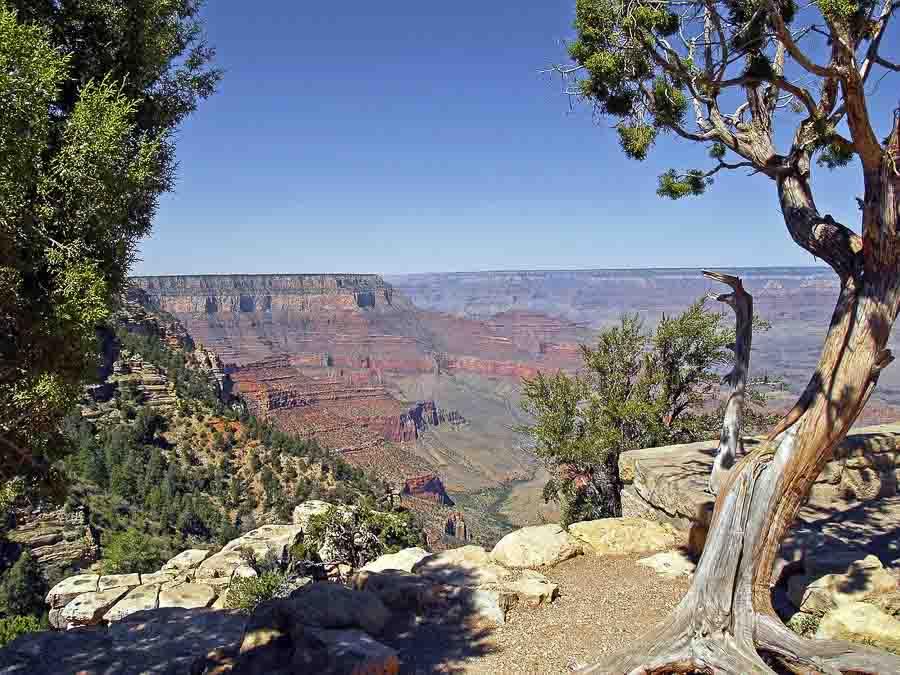
The city is surrounded by dazzling desert scenery, fabulous rock formations, and majestic mountains. So if you want to venture off the glamor of the casinos to spend time in nature, here are the best parks and recreation areas that you can drive to from Las Vegas.
National and State Parks Near Las Vegas at a Glance
Trip Planning Tips from Las Vegas
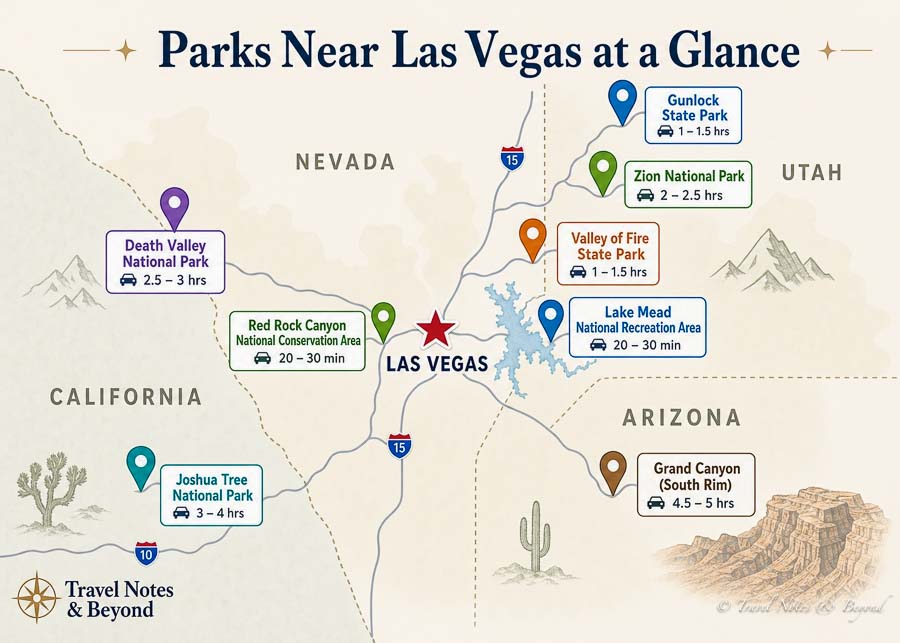
When you start planning a national or state park visit from Las Vegas, the biggest decision you’ll have to make is how much time you really have and how far you’re willing to drive in a day. You can plan day trips on the closer parks like Red Rock Canyon, Valley of Fire, and Lake Mead and save places like Zion, Death Valley, Joshua Tree, and the Grand Canyon for an overnight stay.
If you want to take a couple of days and see 2-3 parks, try to group them in the same direction (for example Zion + Bryce, or Death Valley + Red Rock on different days) so you’re not backtracking. My advice is to always check road and weather conditions in the park before you set out.
Start early to beat both traffic and heat, carry plenty of water and sun protection, and book any permits or timed entries (like popular hikes or scenic drives) as soon as you know your dates, since the most sought‑after experiences around these parks can sell out well in advance.
Note: If you are traveling with non‑hikers, don’t worry—each park in this list has scenic drives and viewpoints you can enjoy with very short walks or none at all.
National Parks Near Las Vegas
Grand Canyon National Park, Arizona
(Distance from Las Vegas: 138 miles)
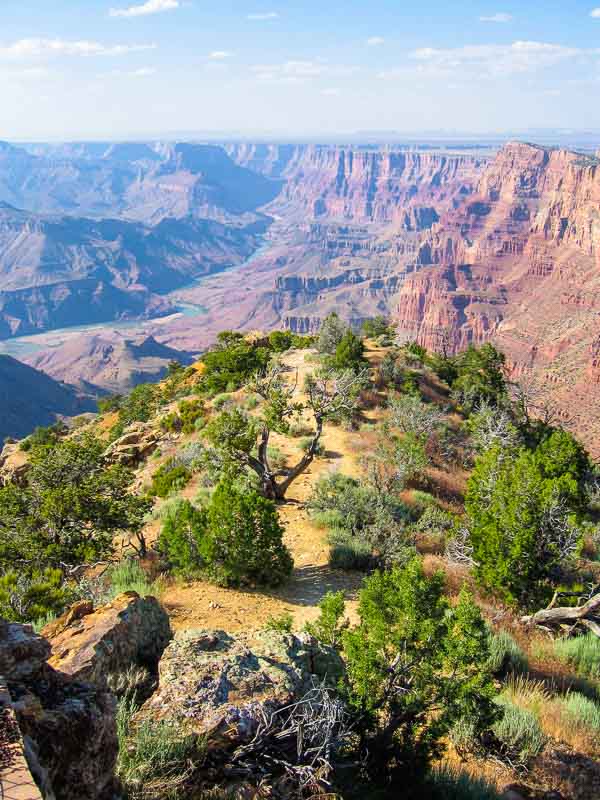
The majestic Grand Canyon doesn’t need much introduction. Its awe-inspiring vistas have been attracting tourists from all over the world for more than a century.
Carved by the Colorado River over thousands and thousands of years, the Grand Canyon is one mile deep, 277 miles long and 18 miles wide. Its elevation spans from 2,000 feet to over 8,000 feet. Because it’s so big, the Grand Canyon can actually influence the weather. Did you know that?
The canyon is home to a big number of caves, 335 of which have already been explored and recorded. However, only one is open to the public – the Cave of the Domes.
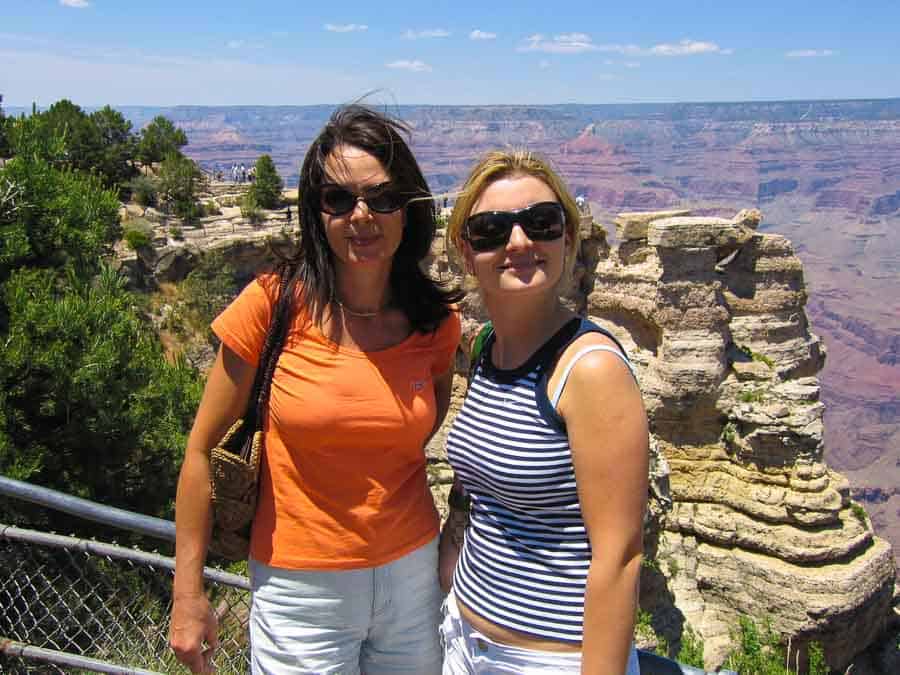
The canyon is also home to a large array of wildlife, like bighorn sheep, California condors, Gila monsters, mountain lions, coyotes, mules and and gray fox. But the most “dangerous” of them seems to be the rock squirrel. Every year, dozens of visitors are bitten by these squirrels when they try to feed them. So keep your distance!
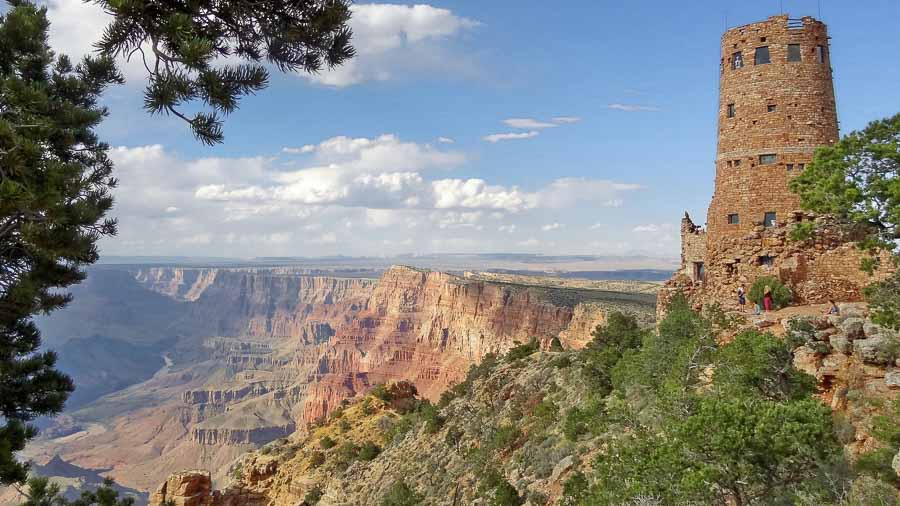
The Grand Canyon offers a magical escape from the hectic Las Vegas, making it one of the most appealing national parks in America, which is open year-round.
If You Don’t Want to Hike
For non‑hikers, the Rim Trail and shuttle stops along the South Rim offer spectacular views with almost no effort.
Joshua Tree National Park, California
(Distance from Las Vegas: 185 miles)
Joshua Tree National Park is a vast desert area in southern California, characterized by rugged rock formations and arid landscapes. Many people don’t realize Joshua Tree National Park is actually composed of two distinct deserts: the southern tip of the Mojave Desert and the Colorado Desert.
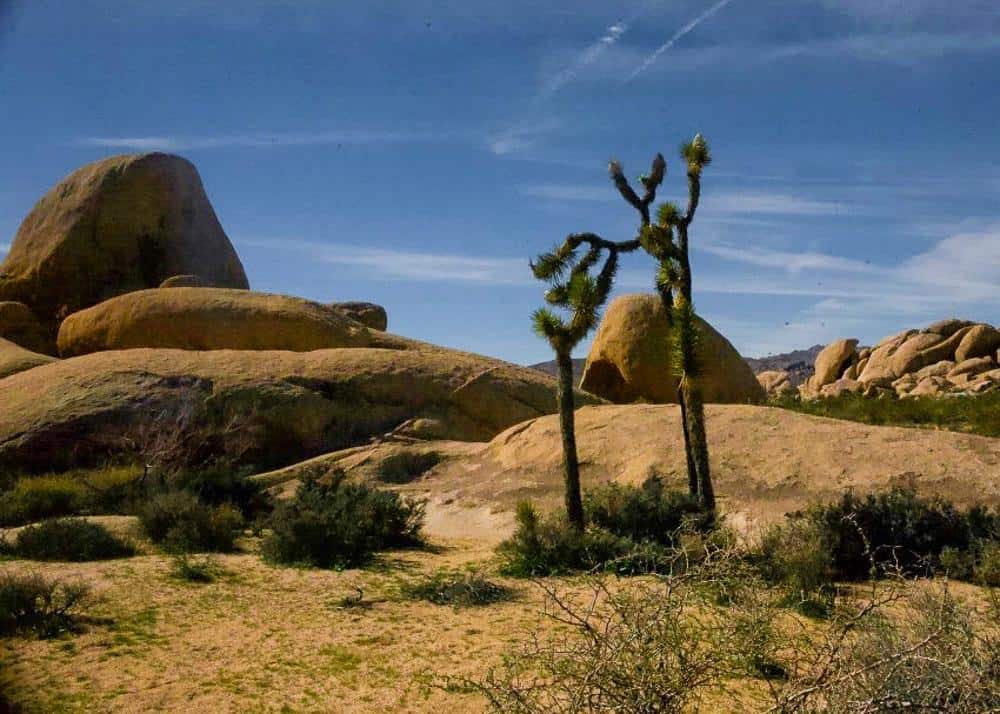
The park is mostly populated by the Joshua tree, hence the name – Joshua Tree National Park. Interestingly enough, Joshua tree is not actually a tree, but rather a shrub from the Yucca family that can grow up to 70 feet tall.
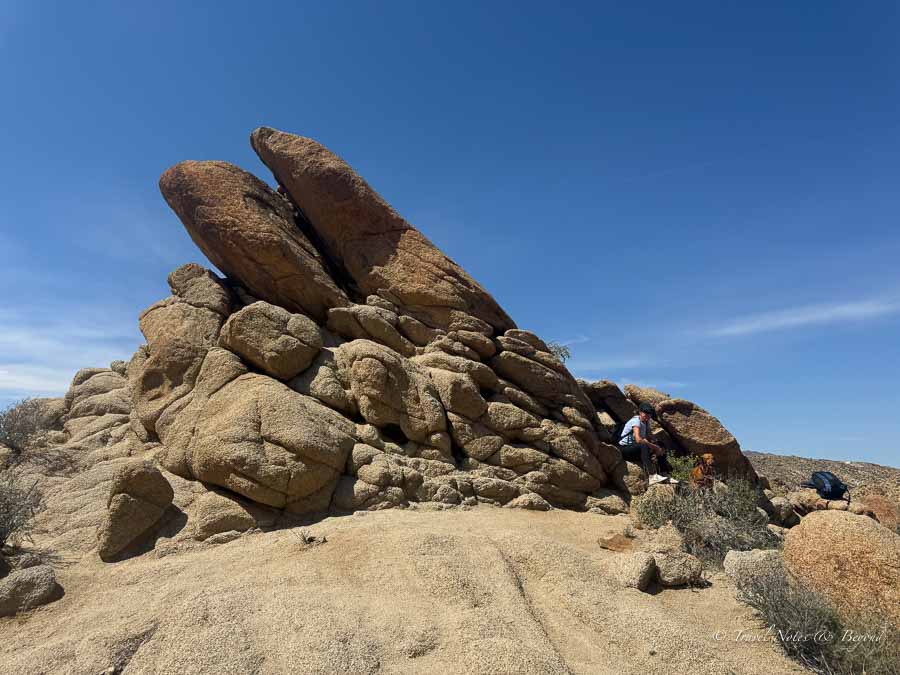
Joshua Tree National Park is a dream destination for rock-climbing at day and stars-gazing at night. So if you don’t have to return to Los Angeles the same day, I recommend spending a night here to see the stars. The park is one of the best places for stargazing in the country (and the planet!)
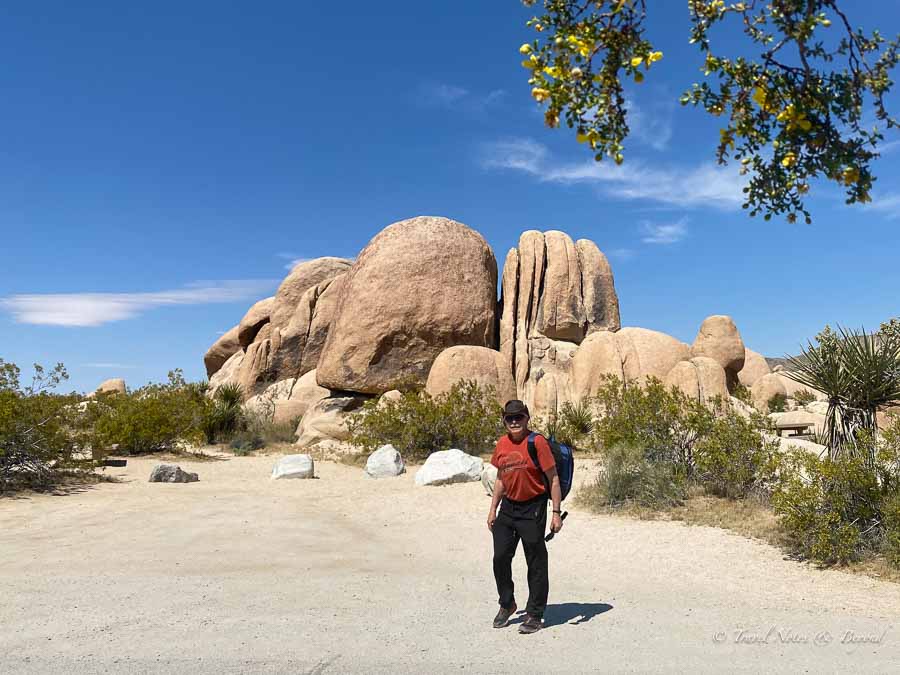
Joshua Tree National Park is open year round, but temperatures are most comfortable in the spring and fall. The park is particularly beautiful in spring, when the wild flowers start blooming.
Death Valley National Park, California
(Distance from Las Vegas: 121 miles)
Death Valley is a true natural wonder. A land of extremes: extreme temperatures, extreme altitudes, and extremely strange environmental occurrences. The highest temperature ever recorded on Earth was in Furnace Creek, an area of Death Valley, where the thermometers hit 134º F in the summer of 1913. Also, Death Valley is home to the country’s lowest point – Badwater Basin – which lies at 282 feet below sea level.
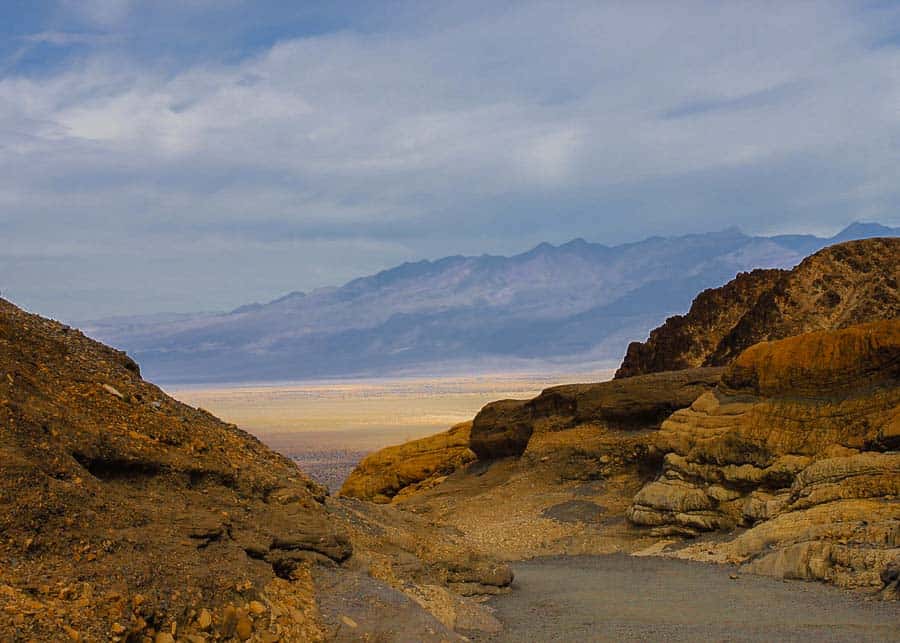
But despite its extreme temperatures and harsh environment, Death Valley has a surprisingly diverse plant life. As a result, this is one of the greatest places to see the desert bloom in spring, when there is enough rain in California.
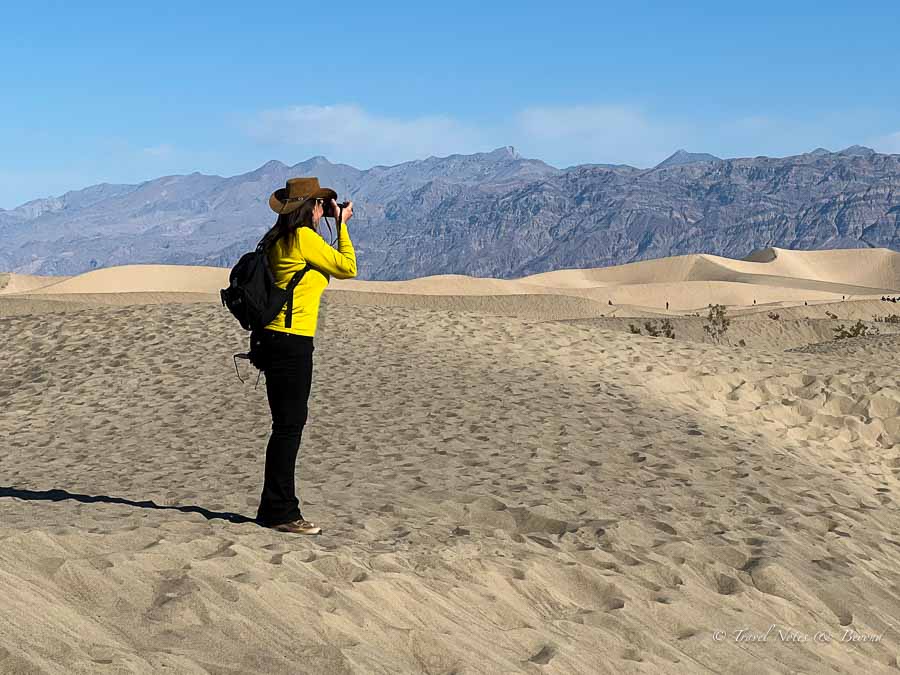
Death Valley was on the route of many gold seekers, who built settlements here during the mid to late 19th century. These small towns were later on abandoned, so today there are more than 100 ghost towns in Death Valley.
This is a really big park, so you should consider spending at least 2 days in Death Valley. The best time to visit Death Valley is in winter and early spring. In February the average temperature is 72ºF.
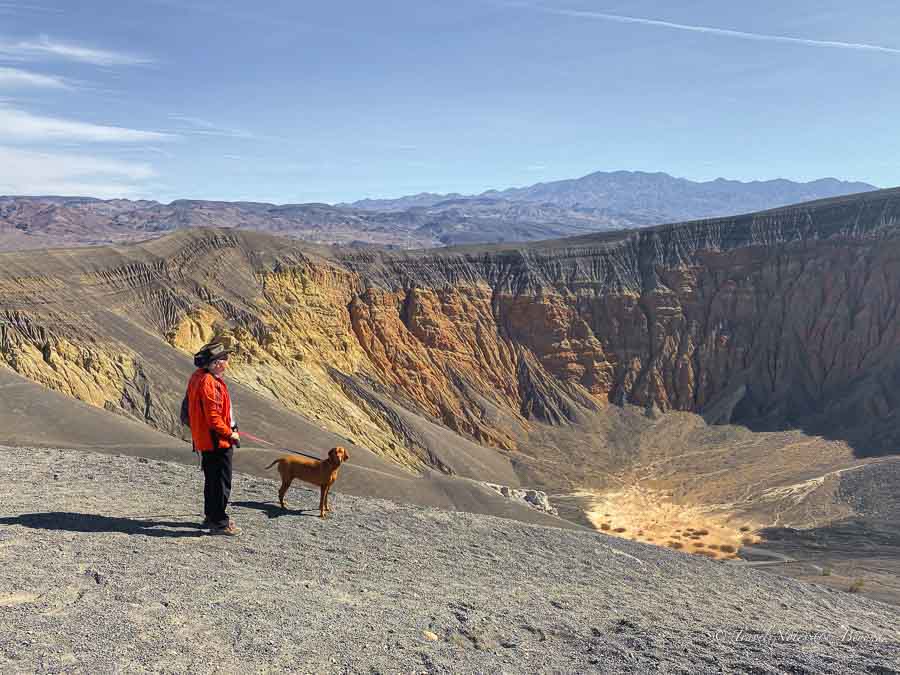
If You Don’t Want to Hike
Even if you’re not into hiking, you can see a lot from the road in Death Valley—viewpoints like Dante’s View, Zabriskie Point and the Badwater Basin boardwalk are all easy, drive‑up stops.
Zion National Park, Utah
(Distance from Las Vegas: 161 miles)
Zion is one of the most scenic National Parks in the United States, encompassing amazing rock formations, high plateaus, a maze of sandstone canyons and waterfalls with colorful hanging gardens. The park is home to one of the largest freestanding arches in the world.
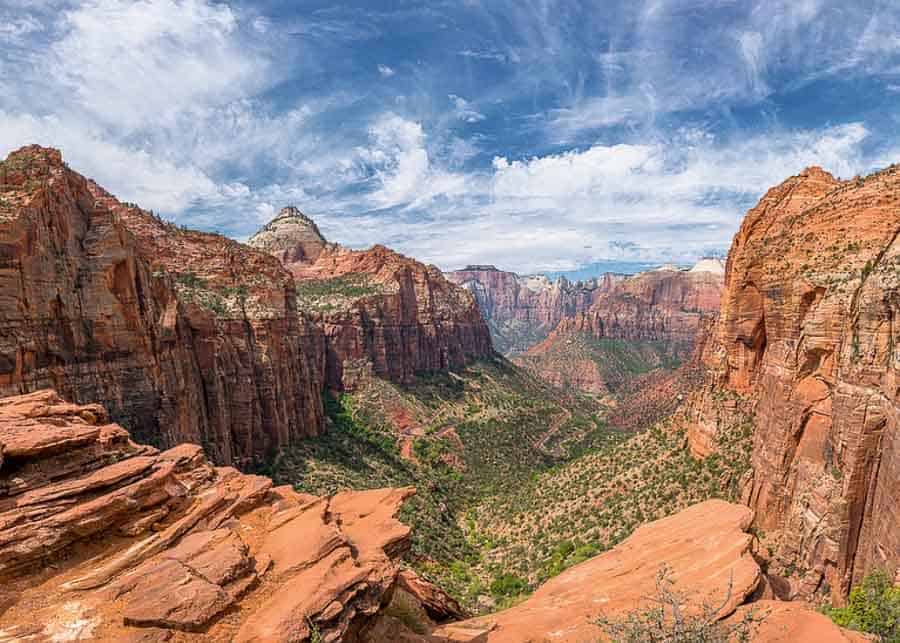
Before becoming a national park, Zion was a national monument officially known as Mukuntuweap National Monument. At the time however, the monument was virtually inaccessible to visitors because of poor road conditions. But after becoming a national park, the government began the construction of a 25-mile stretch of road to connect Zion to the Grand Canyon and Bryce Canyon. The road was completed in 1930.
The Anasazi were the original occupants of Zion Canyon, a civilisation that thrived around 1,500 B.C.. You can find traces of their magnificent sandstone villages, throughout the park today, but the best preserved Indian dwellings are actually in Arizona.
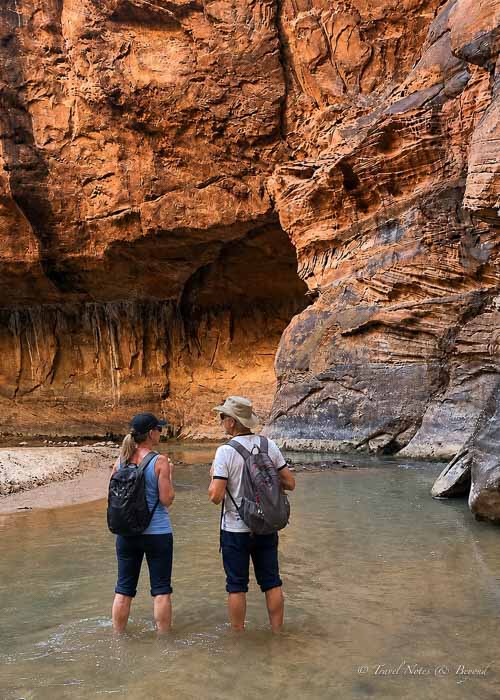
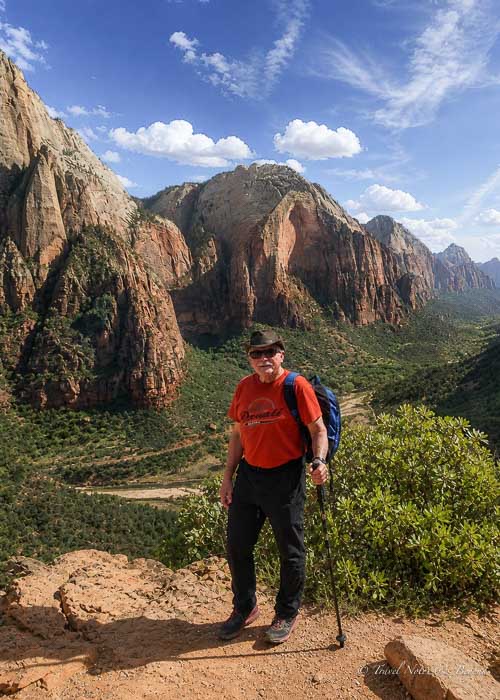
What makes Zion National Park very special is that it offers different levels of hikes, for every kind of traveler. If you prefer easy walks, the Riverside Walk and the Pa’rus Trail give you beautiful views with very little effort and the shuttle makes it simple to hop on and off at different stops. If you are up for more adventure, iconic hikes like Angels Landing (now permit‑based) or sections of The Narrows has that unforgettable “only in Zion” feeling. For us, Zion is one of the best escapes from Las Vegas and a park I genuinely love recommending.
Zion National Park is visited by 4.3 million tourists every year. The park is open year round. However, winters may be very harsh here, with temperatures dropping below -20ºF.
If You Don’t Want to Hike
You can still enjoy Zion even without hiking. Just by riding the shuttle through Zion Canyon, getting off at a few viewpoints, and driving the Zion–Mount Carmel Highway is incredible satisfying. The Good thing about this park is that you can enjoy to scenery right from the road.
State Parks Near Las Vegas
Lake Mead National Recreation Area, Nevada
(Distance from Las Vegas: 25 miles)
One popular state park near Las Vegas is Lake Mead, a beautiful recreational area on the road to Grand Canyon National Park. Lake Mead recreational area encompasses the lake itself, Lake Mohave, Las Vegas Bay, and the surrounding lands. The entire recreation area covers 1.5 million acres!
Contrary to popular belief, Lake Mead is actually an artificial lake. In order to built the Hoover Dam, Colorado River had to be rerouted, and so Lake Mead appeared.
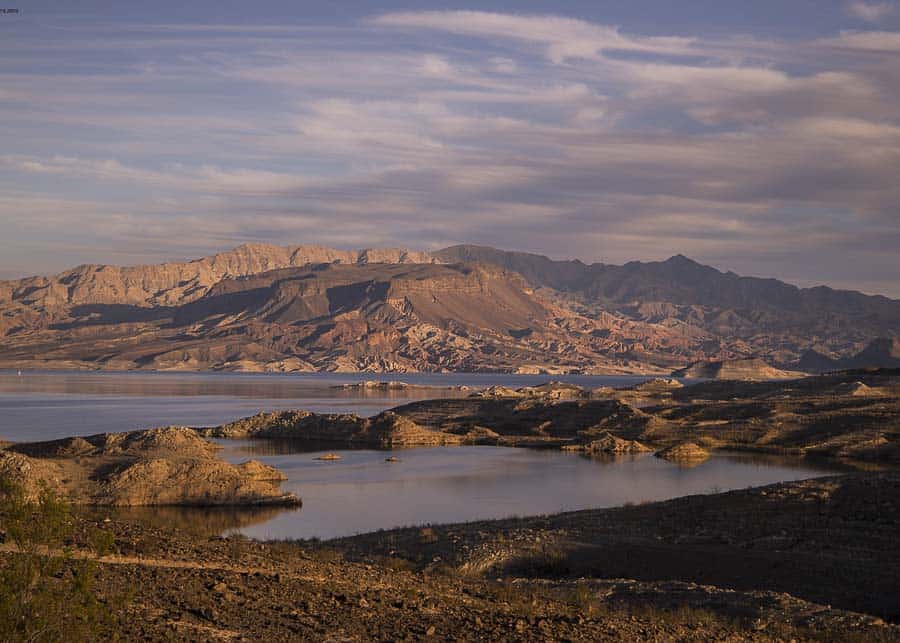
The lake is great for boating, scuba diving, and fishing, but it’s also a great source of drinking water. Lake Mead is one of the largest and cleanest reservoirs in North America, supplying over 25 million people with their drinking water.
Valley of Fire State Park Near Las Vegas, Nevada
(Distance from Las Vegas: 47 miles)
Nevada’s Valley of Fire State Park has one of the most stunning landscapes in America and is only just a short distance away from Las Vegas. Even the drive itself is stunning! Once you turn off the I-15 onto the Valley of Fire Highway, you’ll start seeing the iconic scenery you heard so much about.
The area is full of history and has been inhabited since prehistoric times. In addition to fossils and artifacts, the archeologists discovered numerous petroglyphs, which were carved in red stones all around the park.
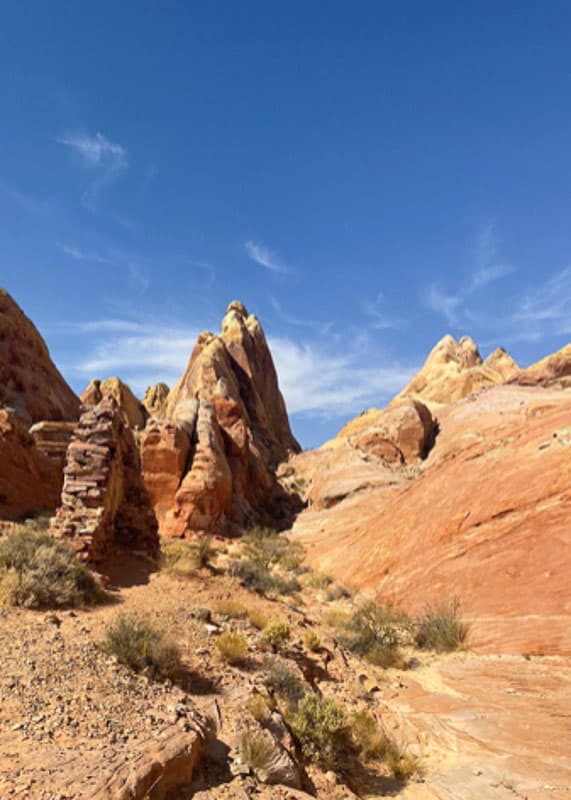
The most memorable thing from our trip to the Valley of Fire were the amazing rock formations—the likes of which we have only seen in Sedona. Everywhere we looked there were rocks gleaming in a variety of gorgeous shades of red.
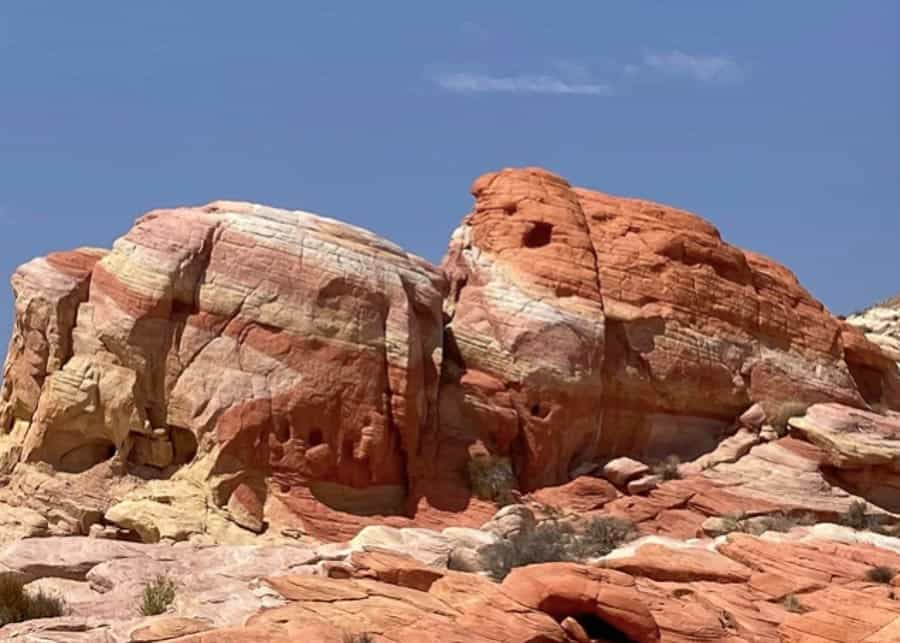
What I found very interesting is that the rocks are changing color with the movement of the sun. Their colors deepen and their shadows alter, making the formations take on totally different appearances from sunrise to sunset.
If You Don’t Want to Hike
Non‑hikers will still love Valley of Fire’s scenic drive, with plenty of photo stops and very short walks right off the road to some of the park’s most photogenic spots.
Red Rock Canyon National Conservation Area, Nevada
(Distance from Las Vegas: 17 miles)
Red Rock Canyon National Conservation Area is just a short 27-kilometer drive from the hustle and bustle of the Las Vegas Strip. The park is vast and beautiful, encompassing an impressive stretch of red canyons, rugged cliffs and plunging valleys.
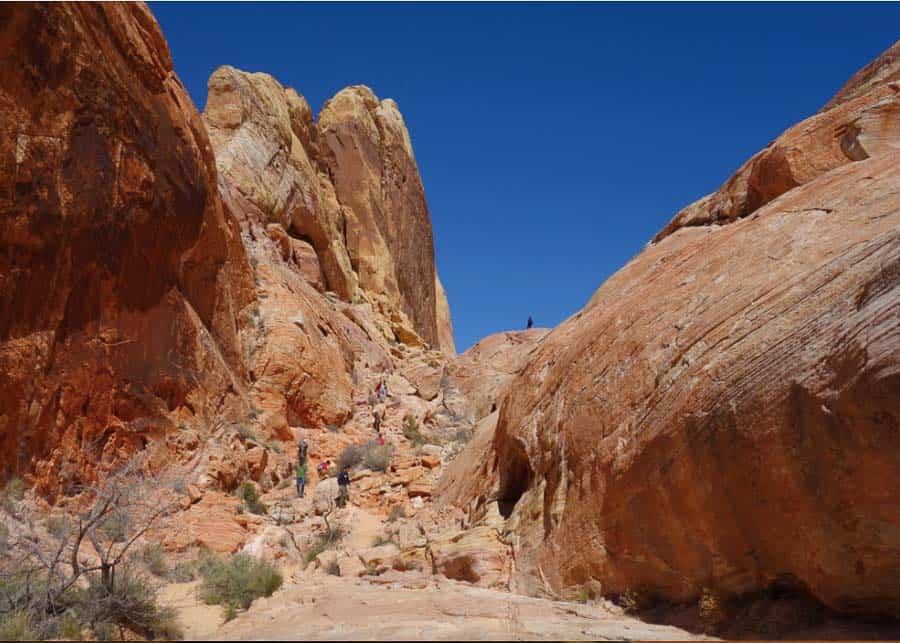
The canyon is an outdoor playground for hikers, bikers, and families looking to spend some time in nature. When hiking, climbing, or driving through Red Rock Canyon, keep your eyes peeled for the animals that populate this area. You may see wild horses, small donkeys, coyotes and bobcats.
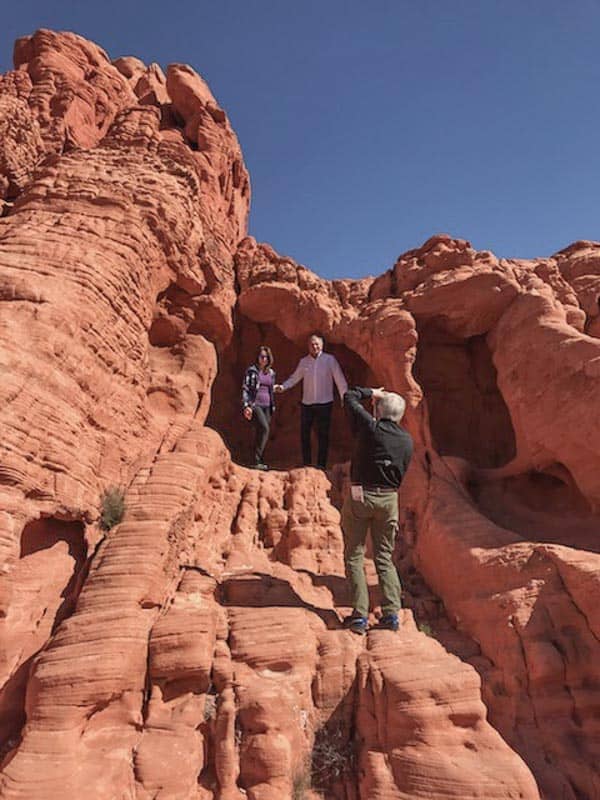
Temperatures in the Red Rock Canyon can be very high in the summer months, so the best times of year to visit this small park are spring and fall.
If You Don’t Want to Hike
For non-hikers, the 13‑mile scenic drive through Red Rock Canyon, with overlooks and very short strolls, is an easy way to enjoy the landscape.
Gunlock State Park, Utah
(Distance from Las Vegas: 122 miles)
Gunlock State Park is located in the scenic red rock country of southwestern Utah, about 122 miles from Las Vegas. This peaceful desert oasis has warm reservoir water, beautiful red rock scenery, and, in spring, the chance to see seasonal waterfalls when water levels are high.
Given its proximity to Las Vegas, Gunlock is a great day trip option from Las Vegas, especially fun in summer, when you can swim, kayak, or just relax by the water. The reservoir is known for warm, calm water, and visitors can bring their own water toys or rent kayaks and paddleboards nearby.
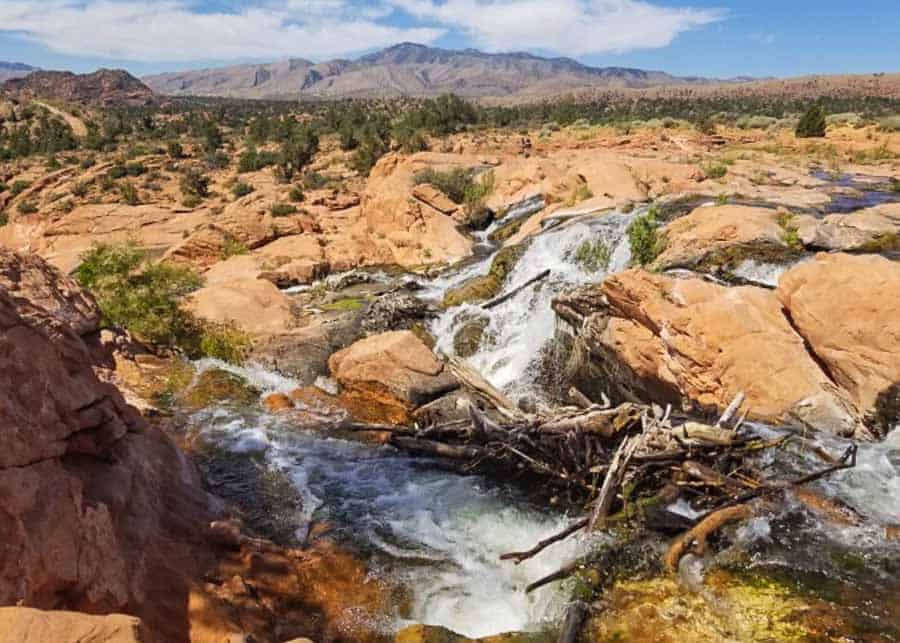
If you visit in spring, you may get lucky and see the famous Gunlock Falls. These waterfalls do not flow all the time. They usually appear only when the reservoir is full enough for water to spill over the natural red rock spillway, most often during spring runoff. That’s part of the reason we visited in spring, and even though it was still early in the season, it was already warm and people were swimming.
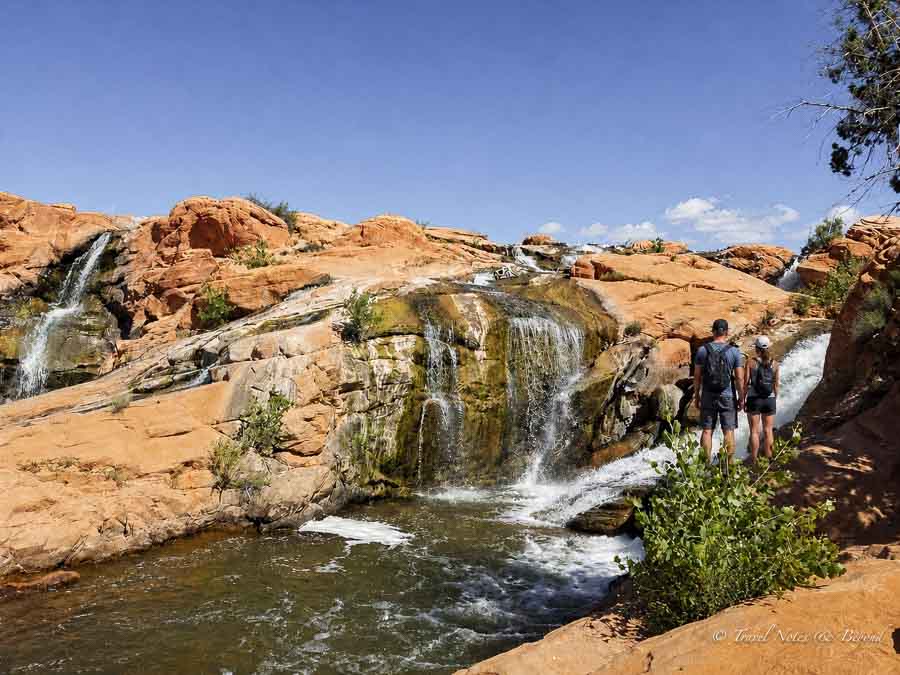
Before you go, check the official Gunlock Falls updates, because some years the waterfalls do not flow at all. Also, be careful around the waterfall area, since the rocks can be slippery and the water can move fast. Bring water shoes, towels, sunscreen, snacks, and plenty of drinking water, especially if you plan to spend a few hours here.
Which Park Is Right for You?
Closest nature escape from Las Vegas: Red Rock Canyon
If you only have a few hours and want to escape the Strip without spending all day in the car, Red Rock Canyon is the easiest choice. It’s close enough to visit in a morning or afternoon, with a beautiful scenic drive and plenty of viewpoints right off the road, so you can get that “desert and red rocks” feeling with minimal planning.
Best for families with short, easy walks: Valley of Fire and Lake Mead
For families, I like to suggest Valley of Fire and Lake Mead because they offer a lot of variety without long or difficult hikes. Valley of Fire has colorful rock formations, viewpoints and very short trails that kids usually love, while Lake Mead combines gentle walks with the option to relax by the water or pair your visit with Hoover Dam.
Best for serious hikes: Zion National Park
If hiking is a priority and you don’t mind a longer drive, Zion is the park where you’ll want to spend more time on the trails. From relatively moderate canyon walks to more demanding routes with big elevation gain, Zion gives you that classic “national park hiking” experience with dramatic scenery and a good trail network.
Best for dramatic desert landscapes in winter: Death Valley National Park
When the temperatures drop, Death Valley becomes one of the most impressive winter escapes from Las Vegas. You get vast salt flats, sand dunes, colorful badlands and sweeping viewpoints, and in the cooler months you can actually enjoy being outside without the extreme heat that makes summer visits so challenging.
Day Trip or Overnight?
When you look at a map, many of these parks seem “close enough” to visit in a single day from Las Vegas, but in reality some work far better as quick escapes and others really deserve at least one night. For true day trips with plenty of time to enjoy the scenery, I’d keep Red Rock Canyon, Valley of Fire State Park and Lake Mead/Hoover Dam at the top of your list, since all three are within about an hour’s drive of the Strip and easy to combine with a relaxed schedule.
Parks like Zion, Death Valley and Joshua Tree are doable in a very long day if you leave early and don’t mind lots of time in the car. However, you’ll enjoy the experience much more as one- or two‑night getaways where you can slow down and catch sunrise or sunset. The Grand Canyon (South Rim) is even farther, so while some visitors rush it as a long day trip, I personally recommend treating it as an overnight or part of a longer road trip loop. If you prefer a simple rule of thumb: under 1.5 hours from Las Vegas is ideal for a day trip and 2–3 hours is best as a full‑day or overnight. Anything beyond that deserves at least one night if you want the experience to feel enjoyable rather than rushed.
Where to Stay for Overnight Trips
For national or state parks farther away from Las Vegas, it’s much more relaxing to plan at least one night nearby instead of trying to do everything as a day trip from Las Vegas. These are the bases we like to use.
Zion National Park – stay in Springdale
For Zion, we usually stay in Springdale, right by the park entrance. It’s easy to leave the car, use the shuttle, and walk to restaurants, and waking up with the canyon walls around you feels completely different from driving in from Vegas in the morning.
Grand Canyon (South Rim) – stay in the park or Tusayan
At the Grand Canyon, we prefer staying either inside the park (when we can get a room) or in Tusayan just outside the South Rim gate. That way we can catch both sunset and sunrise at the canyon without a long drive in the dark, and we don’t waste hours going back and forth to Las Vegas.
Death Valley – stay near Furnace Creek
For Death Valley, we like to base ourselves around Furnace Creek, roughly in the middle of the main viewpoints. Staying there makes it much easier to be at Zabriskie Point for sunrise or the dunes for sunset, and it’s very nice to have a comfortable place to cool off after a hot day in the park.
Joshua Tree – stay near the park entrances
If we go as far as Joshua Tree, we look for a place in Twentynine Palms or the Joshua Tree/Yucca Valley area. These small desert towns are close to the park entrances, so you can be out among the boulders and Joshua trees for golden hour and still have a short drive back to your room at the end of the day.
2–3 Day Trip Ideas from Las Vegas
If you have a couple of days to spare, you can easily string a few parks together into a short road trip from Las Vegas. One of my favorite 2‑day combos is to spend a day at Valley of Fire and Lake Mead/Hoover Dam, then use the second day for Red Rock Canyon and a slower evening back in Las Vegas. This keeps drive times short and gives you a nice mix of red rocks and water. Another great option is a quick Zion getaway. You can drive from Las Vegas to Springdale, spend the afternoon exploring Zion Canyon and an easy walk, then use the next morning for more viewpoints or a short hike before heading back.
With 3 days, you have room to go a bit farther. You could pair Zion with either the Grand Canyon or with a quieter stop like Gunlock State Park or additional time around Lake Mead, depending on how much driving you’re comfortable with. Another idea is a desert‑focused loop: one day in Death Valley, one day around Red Rock Canyon, and a flexible day you can use for Valley of Fire or simply relaxing by the pool in Las Vegas after all that sun and scenery.
Tips for Visiting the State & National Parks Near Las Vegas
- Driving is the best way to reach all these parks, so if you are flying into Las Vegas, click here to rent a car.
- Buy the America the Beautiful Annual Park Pass to save money and time at the entrance.
- Check the weather before starting your journey. Some parts of these parks close in winter.
- Always check the National Parks’ site for the most up-to-date information.
- Gas stations are scarce in the areas near the National Parks, so fill up your tank whenever you have a chance.
- Dress appropriately and wear good hiking shoes.
- Carry plenty of water and some snacks.
What to Pack for Parks Near Las Vegas
- Water: Refillable water bottle for each person (or a larger water jug in the car), plus electrolytes in hot months.
- Sun protection: High‑SPF sunscreen, wide‑brimmed hat, sunglasses, SPF lip balm, and a light long‑sleeve layer.
- Footwear: Comfortable walking shoes or lightweight hiking shoes with good grip (even for short viewpoints and rocky paths).
- Clothing layers: Light, breathable clothing for daytime; a fleece or windbreaker for cooler evenings and higher elevations.
- Daypack essentials: Small backpack, snacks, basic first‑aid kit (including blister plasters), tissues/hand wipes.
- Tech: Phone or camera with plenty of storage, portable power bank and charging cable.
- Seasonal extras: In cooler months, add a beanie and gloves; in hotter months, consider a sun umbrella, cooling towel, and extra water.
 The 10 Best Hikes in Maui for Adventure Lovers





Dakota Miller
Hey Anda and Laszlo! I’ve been based in Las Vegas for almost a year now but never really got to explore outside city walls. Now I have a reason to plan out my weekend getaways. This has really been helpful. My flatmate and I will surely go to these places. Thanks for sharing this!
Anda
Glad you discovered something new, Dakota. Despite what any people think, nature is is really majestic in the desert.