
Planning to spend 10 days in Italy and not sure where you should start your itinerary? You cannot go wrong with a country like Italy, no matter which way you go. From the hub of Rome to the Amalfi Coast, Italy is simply gorgeous and therefore a must of any European itinerary.
I visited Italy quite a few times over the past 30 years, therefore planning a trip to Italy is one of my favorite things to do. So if you need help with your travel plans, here are 4 itinerary ideas for spending 10 days in Italy.
10 Days in Italy Itinerary at a Glance
Not sure which route to choose? Here is a quick comparison of the four 10-day Italy itineraries in this guide.
| Itinerary | Best For | Route | Transportation | Start / End |
|---|---|---|---|---|
| Classic Italy | First-time visitors who want to see Italy’s most famous cities | Rome, Florence, Venice, Milan | Mostly train | Start in Rome, end in Milan |
| Northern Italy | Lakes, elegant cities, and a slightly slower pace | Milan, Lake Como, Verona, Venice | Train plus optional car for Lake Como | Start in Milan, end in Venice |
| Central Italy | Medieval towns, Tuscany, Umbria, and off-the-beaten-path stops | Florence, Siena, San Gimignano, Bologna, San Marino, Perugia, Rome | Best by car | Start in Florence, end in Rome |
| Southwest Italy | Amalfi Coast, ancient ruins, coastal scenery, and archaeology | Naples, Sorrento, Capri, Pompeii, Herculaneum, Cumae, Pozzuoli, Amalfi Coast, Salerno, Paestum | Best by car, with ferry to Capri | Start and end in Naples |
Which Itinerary Should You Choose?
If this is your first trip to Italy, I recommend the Classic Italy itinerary because it includes Rome, Florence, Venice, and Milan. These are some of the easiest cities to connect by train and they offer a great introduction to Italy’s history, art, food, and architecture.
If you prefer beautiful scenery and a more relaxed pace, choose the Northern Italy itinerary. Lake Como and Verona are especially rewarding if you want fewer big-city crowds.
If you enjoy small towns, countryside drives, and historic places, the Central Italy itinerary is a great choice. This route gives you a mix of famous cities and lesser-known destinations like San Marino and Perugia.
If you are drawn to coastal landscapes, archaeological sites, and the Amalfi Coast, choose the Southwest Italy itinerary. This route is especially good for travelers who don’t mind driving and want to see a different side of Italy beyond Rome, Florence, and Venice.
The suggested itineraries below are grouped according to the different regions in Italy. Nonetheless, you can choose a different combination from the cities listed here, according to your tastes and interests. You can also start each of these itineraries in reverse order.
ITALY ITINERARY #1: CLASSIC ITALY
(Rome, Florence, Venice, Milan)
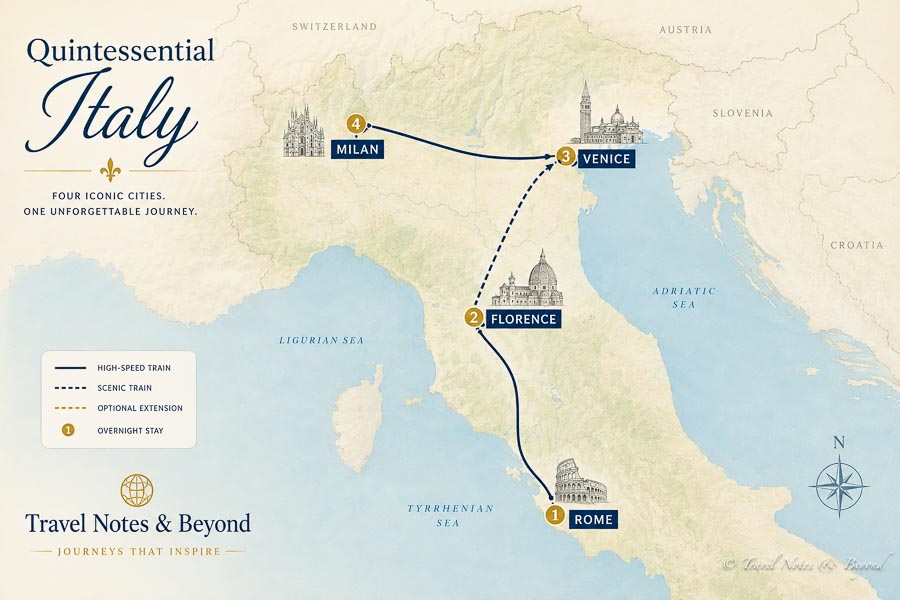
If this is your first trip to Italy, this classic 10-day itinerary is probably the best choice. It includes four of Italy’s most fascinating cities: Rome, Florence, Venice, and Milan, These destinations belong on any European bucket list and they are easy to connect by train, so you won’t need to rent a car.
Classic Itinerary at a Glance
| Day | Destination | Overnight |
|---|---|---|
| Day 1 | Arrive in Rome | Rome |
| Days 2-4 | Explore Rome | Rome |
| Days 5-6 | Florence | Florence |
| Days 7-8 | Venice | Venice |
| Day 9 | Milan | Milan |
| Day 10 | Fly home from Milan | Flight home |
Best Time to Go
from September to early November, or from April to June. In fall and spring there are fewer tourists around. Also, temperatures are cooler (upper 50s to mid 70s) and therefore it’s more pleasant to walk.
How to Get Around
This itinerary is best done by train. Rome, Florence, Venice, and Milan are all connected by fast, frequent trains, and you won’t need a car in any of these cities. In fact, driving would only make the trip more complicated because of parking, traffic, and restricted traffic zones in historic centers.
Who This itinerary Is Best For
This route is best for first-time visitors who want to see Italy’s classic highlights without renting a car.
READ NEXT: Best Area to Stay in Rome – Guide to Rome’s Neighborhoods
Day 1: Arriving in Rome
If you are flying to Italy from almost anywhere, you’ll most likely land in Rome. It’s the cheapest and the most convenient landing point, with direct continental and intercontinental flights.
Day 2–4: Explore Rome
Rome is a fascinating city, filled with history, art, and great food. There are so many fun facts about Rome, so many attractions to see that could could easily spend here a few weeks roaming around. You need to spend here at least 2-3 days, although 3 days in Rome will feel like very little.
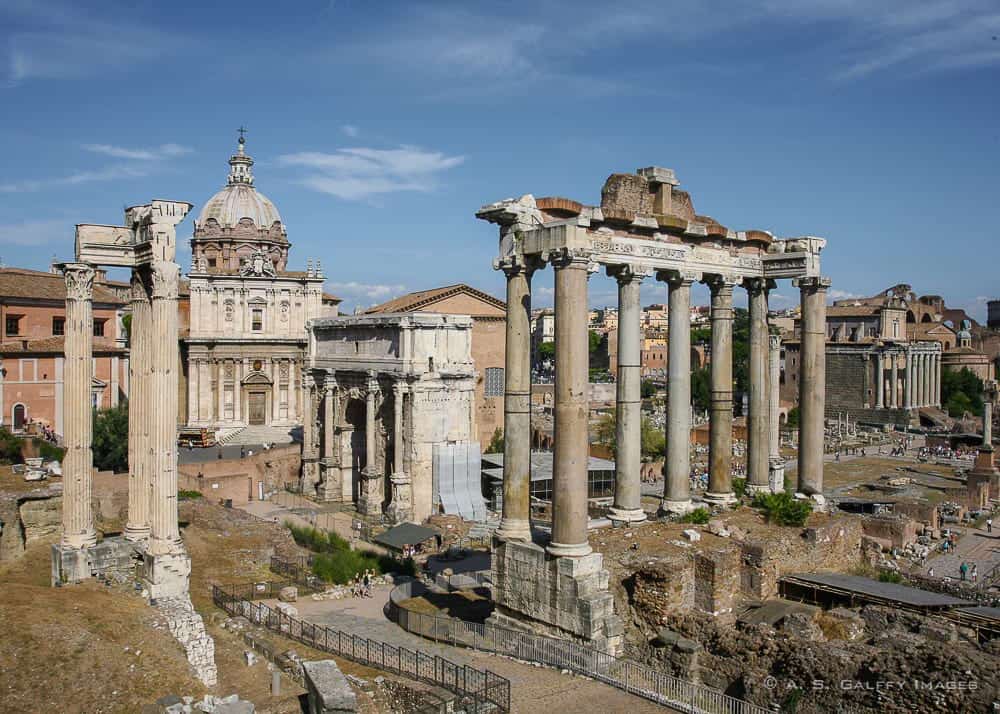
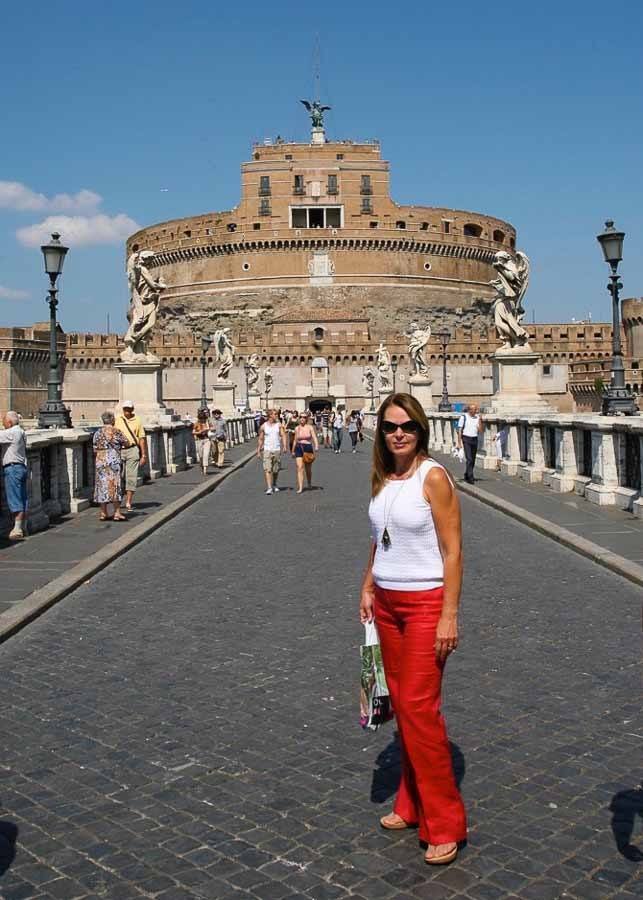
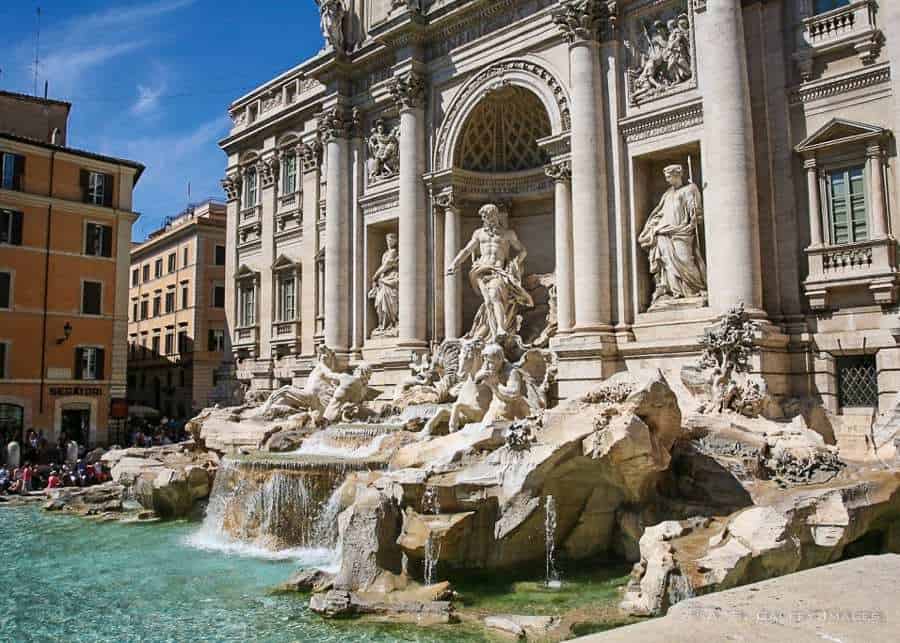
For your three days in Rome, you could organize your time like this: Day 2: Historic Center, including the Pantheon, Piazza Navona, Trevi Fountain, Spanish Steps, and Trastevere. Day 3: Ancient Rome, including the Colosseum, Roman Forum, Palatine Hill, and Capitoline Hill Day 4: Vatican City, St. Peter’s Basilica, the Vatican Museums, and Castel Sant’Angelo
Traveling from Rome to Florence: there are about 40 trains that travel from Rome to Florence each day. The train passes through the beautiful Roman countryside and it takes an average of 1 hour and 36 minutes to get to Florence.
TIP: I suggest taking a late afternoon or early evening train to Florence. This way, you can check right into your hotel, rather than having to store your luggage in order to visit the city.
Day 5–6: Florence
Florence is one of my most favorite destinations in Europe, the birthplace of the Italian Renaissance and the jewel of Tuscany! With this itinerary you’ll have 2 full days in Florence, which gives you a fair amount of time see the main attractions.
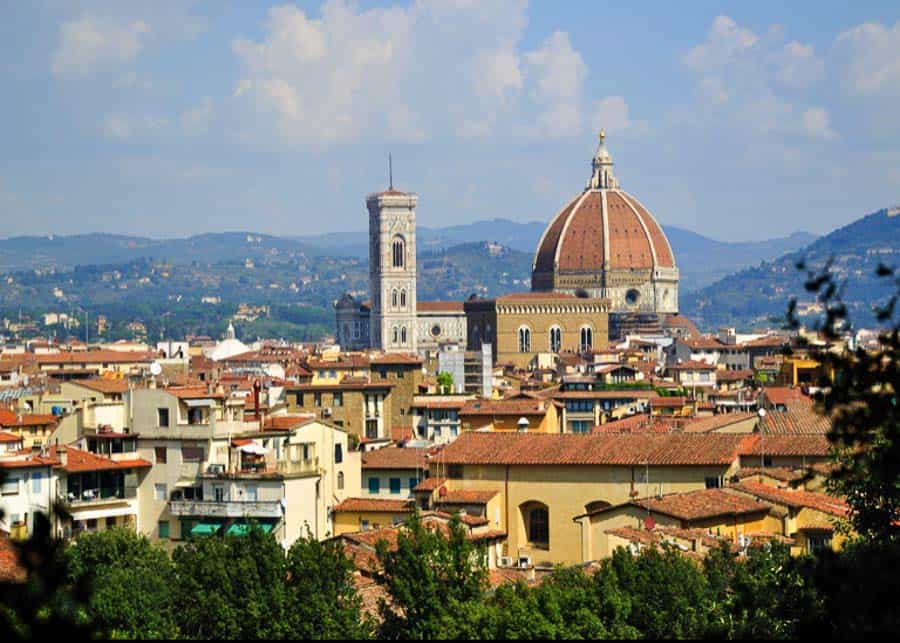
Don’t miss climbing up the Campanile (Giotto’s Tower). The 278 feet high tower offers the best views of the Duomo and Florence. Also, make sure you don’t leave Florence without trying some authentic Florentine dishes at Mercato Centrale, the city’s most famous farmers’ market.
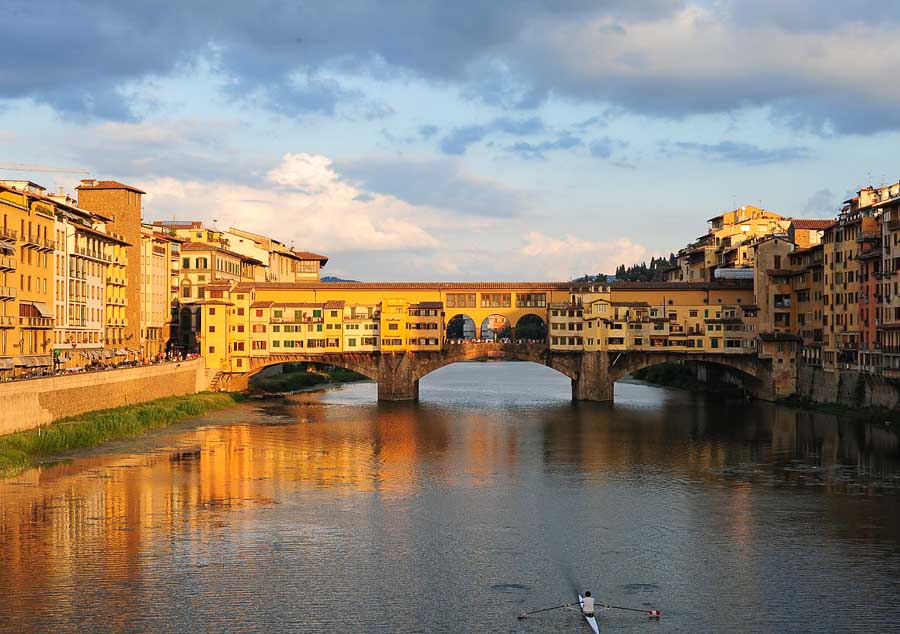
Another option would be to spend only one day in Florence and the following one take a day trip to Sienna, or to Lucca, which has plenty of things to see.
Traveling from Florence to Venice: there are about 19 trains traveling between Florence and Venice. Some of these are high speed trains, which will take you to Venice in 2 hours and 15 minutes. Trains leave from Santa Maria Novella Train Station and tickets cost is around $26/person.
Crossing over to Venice city center from Santa Lucia Train Station takes about 25 minutes and can be done either by water bus which (called vaporetto), or by water taxi which is much more expensive.
Days 7–8: Venice
This itinerary gives you almost two full days in Venice, depending what time you arrive in the morning. That is enough time to visit the city’s main landmarks, like the Doge’s Palace, Basilica di San Marco, the Campanile bell tower, Rialto Bridge, and the Grand Canal.
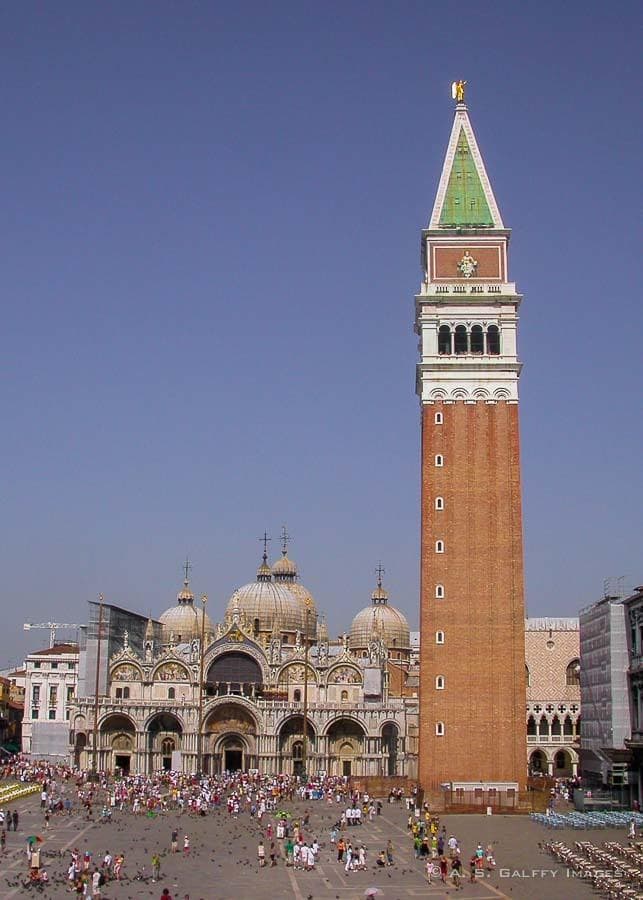
There are many other iconic sites in Venice that you can visit if you have more time. However, the city’s charm lies in its quiet corners, small canals and colorful buildings. So just wander aimlessly on the streets, rather than trying to squeeze in more things to do.
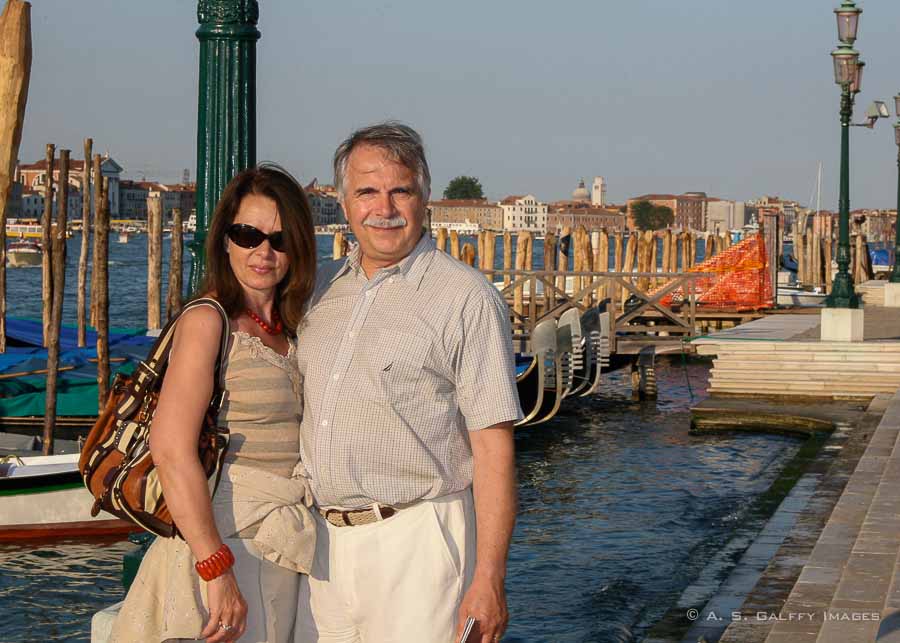
Traveling from Venice to Milan: the fastest way is by taking the Le Frecce high-speed train. The travel time only 2 hours and 25 minutes. Just remember that seat reservations are mandatory.
Day 9: Milan
On the 9th day of this Italy itinerary you’ll be visiting Milan. The city makes a good departure point if you are flying to the USA.
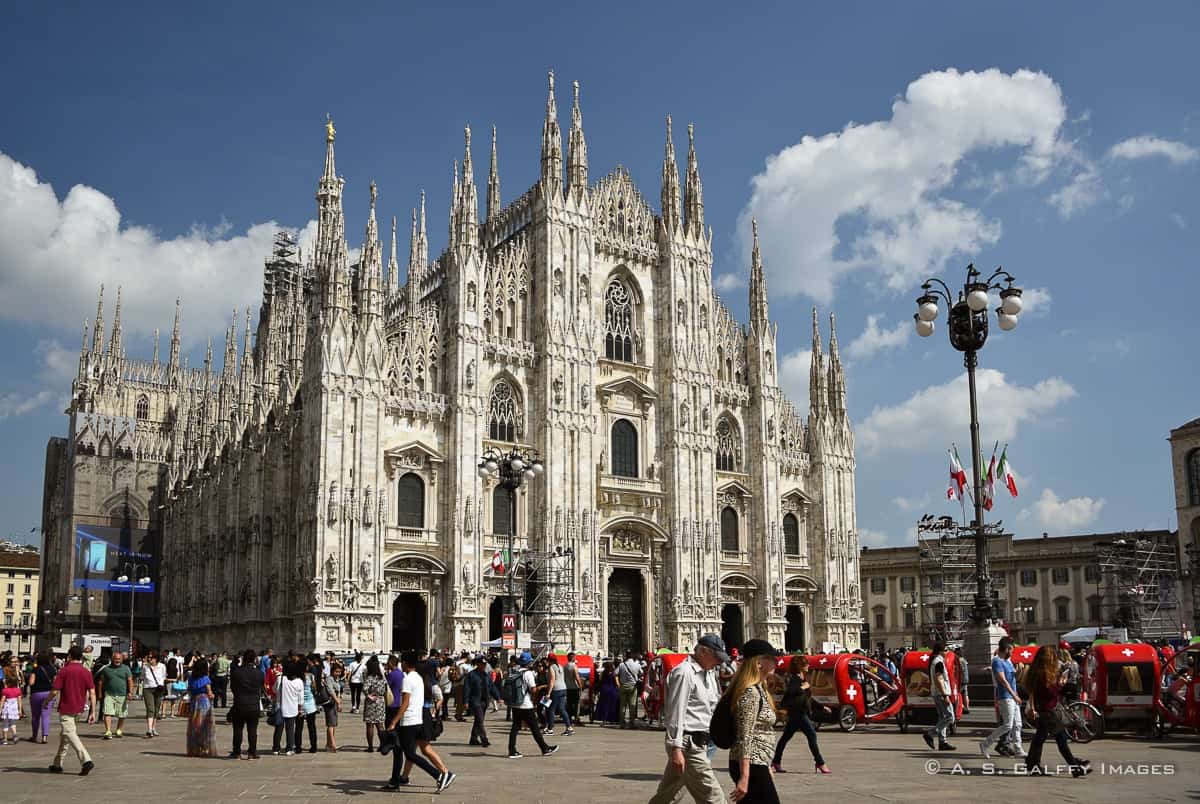
You can get a pretty good feel of Milan in one day and you’ll have enough time visit some the landmarks that make the city famous. The most important attraction in Milan is the Duomo, an elaborate Gothic cathedral that became the symbol of the city.
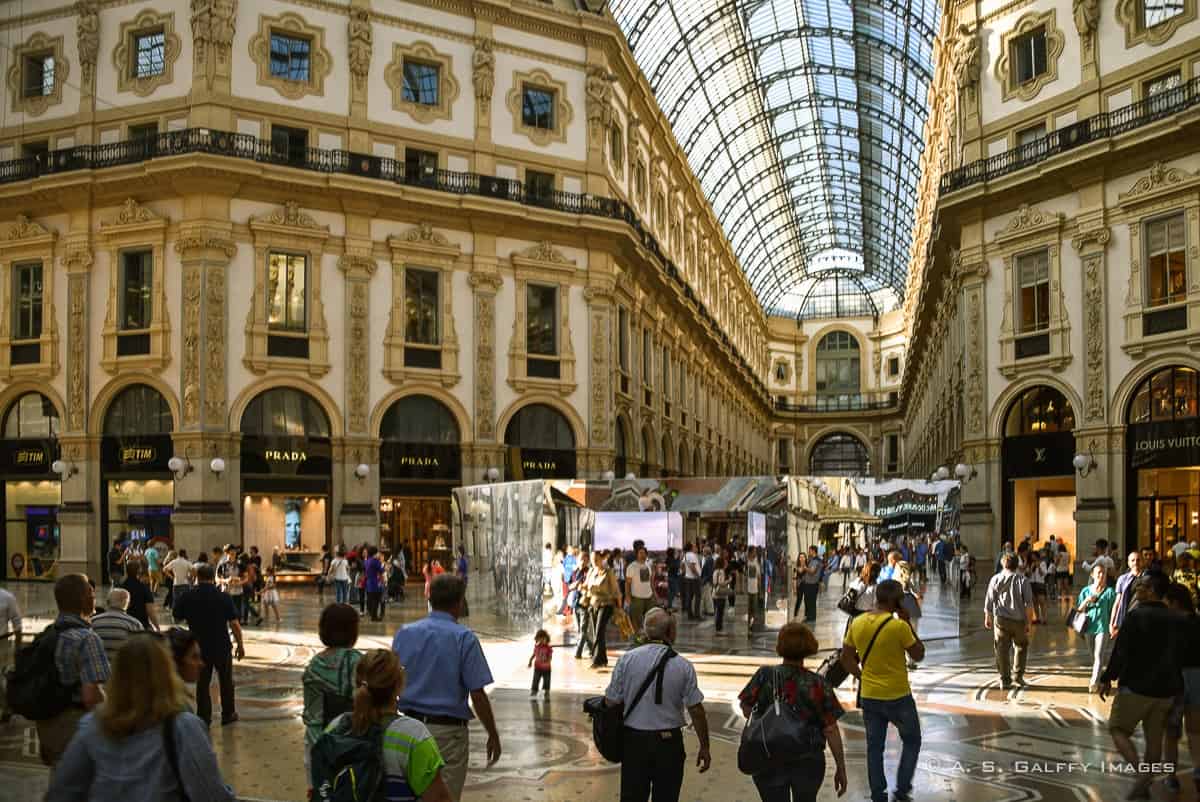
Also very impressive is Galleria Vittoria Emanuele, a five-story shopping arcade made of glass and iron and decorated with mosaics and statues.
Day 10: Fly Back Home from Milan
Today you’ll be flying home. Most international flights depart early in the morning.
ITALY ITINERARY #2: NORTHERN ITALY
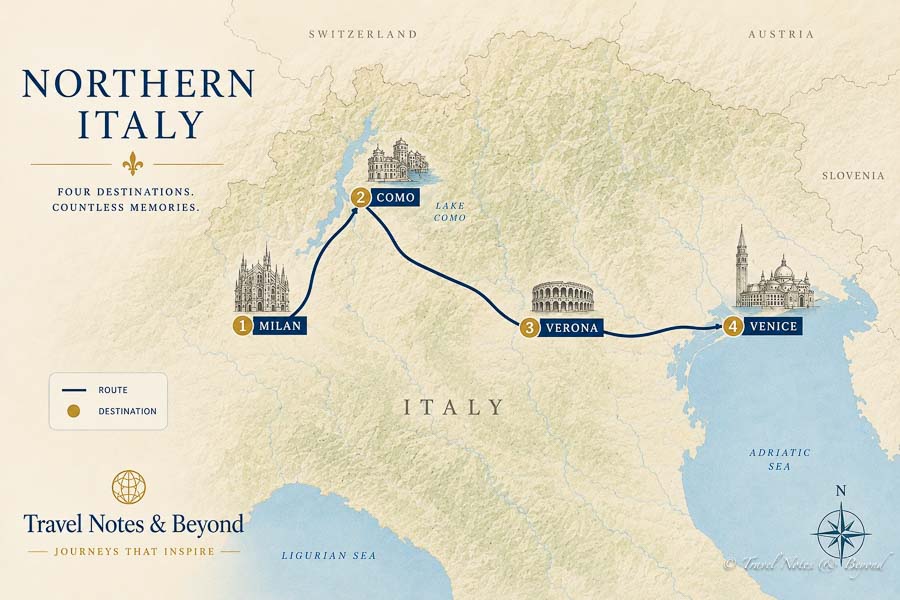
(Milan, Lake Como, Verona, Venice)
If you’ve already visited Italy’s classic cities, or if you prefer lakes, elegant towns, and a slightly slower pace, this Northern Italy itinerary is a great choice. It includes Milan, Lake Como, Verona, and Venice, combining big-city culture with beautiful scenery and romantic historic towns.
This route is also easy to customize. You can spend more time on Lake Como if you want a relaxing trip, or add more time in Venice if you prefer art, architecture, and island-hopping.
Northern Italy Itinerary at a Glance
| Day | Destination | Overnight |
|---|---|---|
| Day 1 | Arrive in Milan | Milan |
| Day 2 | Visit Milan | Milan |
| Days 3-4 | Lake Como | Lake Como |
| Days 5-6 | Verona | Verona |
| Days 7-9 | Venice | Venice |
| Day 10 | Fly home from Venice | Flight home |
Best Time to Go
The best time for this Northern Italy itinerary is from April to October, when the weather is warmer and the days are longer. Spring and fall are especially pleasant because temperatures are comfortable and the crowds are smaller than in July and August.
Summer is also a beautiful time to visit Lake Como, especially if you want to spend time on the water. However, July and August are busier and more expensive, so book hotels and trains well in advance.
How to Get Around
This itinerary can be done mostly by train, especially between Milan, Verona, and Venice. For Lake Como, you can either travel by train and ferry or rent a car if you want more flexibility exploring the towns around the lake.
If you don’t want to drive, base yourself in Varenna or Como and use ferries to visit places like Bellagio, Menaggio, and other lakeside towns.
Who This Itinerary Is Best For
This route is best for travelers who want a mix of city sightseeing, lakeside scenery, and romantic historic towns. It’s also a good choice if you’ve already been to Rome and Florence and want to experience a different side of Italy.
Day 1-2: Milan
On this itinerary you’ll have about a day and a half in Milan, depending on your arrival time. Start your visit in Piazza del Duomo, where you can tour Milan’s magnificent cathedral and walk through the elegant Galleria Vittorio Emanuele II.
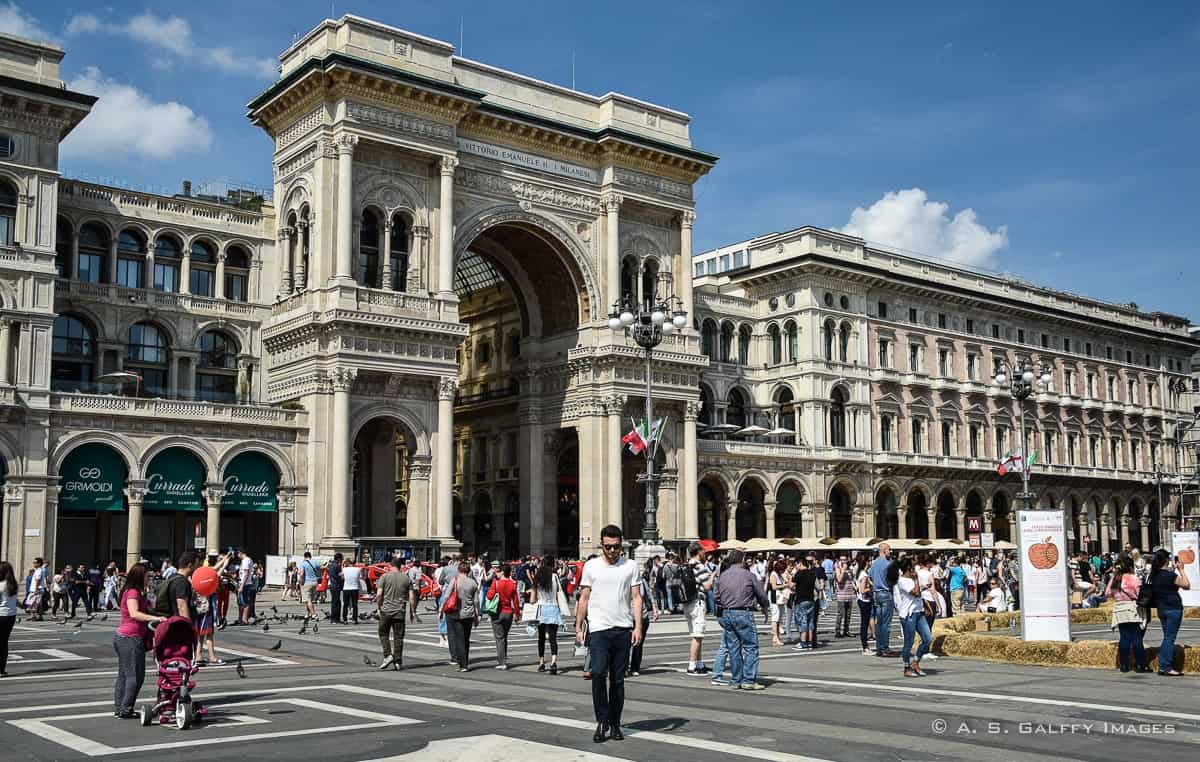
If you have time, book tickets in advance to see Leonardo da Vinci’s Last Supper, one of the city’s most famous attractions. In the evening, head to the Navigli district for dinner or drinks along the canals.
READ NEXT: Where to Stay in Lake Garda: The Ultimate Guide for First time Visitors
Day 3-4: Lake Como
You don’t need a car to visit Lake Como, but renting one will give you more flexibility if you want to explore several towns around the lake. The drive from Milan to Lake Como takes about 1 hour and 30 minutes, depending on traffic.
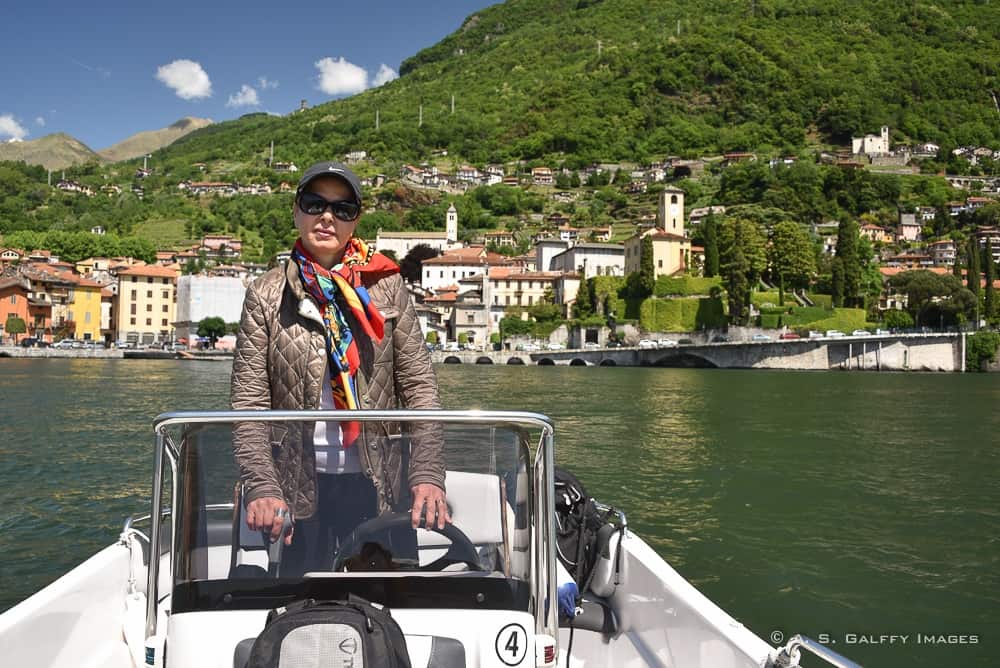
The beautiful villages and resorts around the lake have always been a magnet for the rich and famous. Although Lake Como has attracted aristocrats and wealthy travelers for centuries, it became much more popular with international visitors after George Clooney bought a villa there.
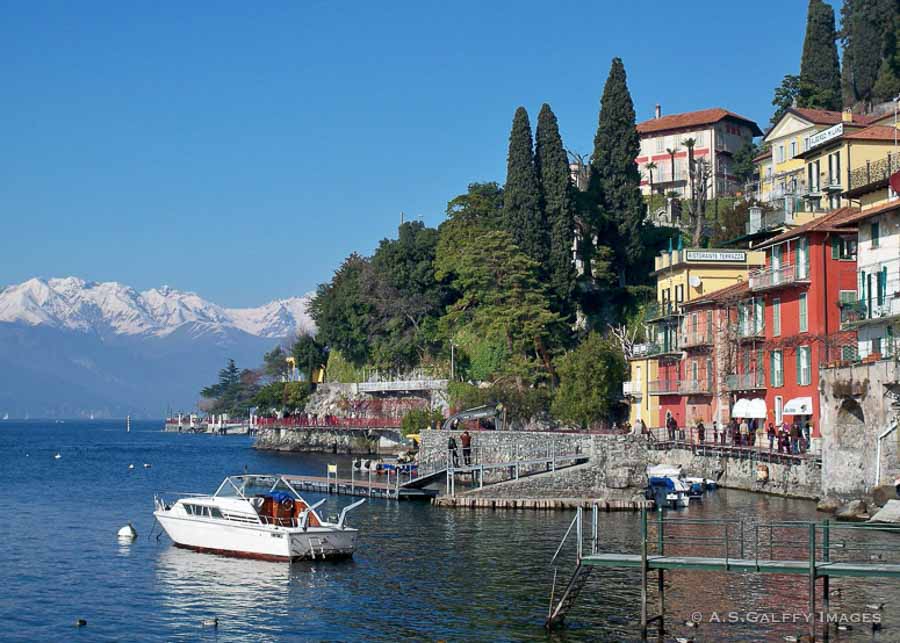
The appeal of Lake Como is not just the town of Como itself, but the smaller villages scattered along the lake. I recommend staying in Varenna, which is stunningly beautiful. From Varenna, you can take the ferry to Bellagio and other towns around the lake, or drive along the shore if you have a car. A car is optional in Lake Como, not required.
Day 5- 6: Verona
You’ll spend part of your 5th day traveling from Lake Como to Verona. If you rented a car for Lake Como, I recommend returning it as you won’t be needing it for the rest of this itinerary. There is a direct train from Como to Verona.
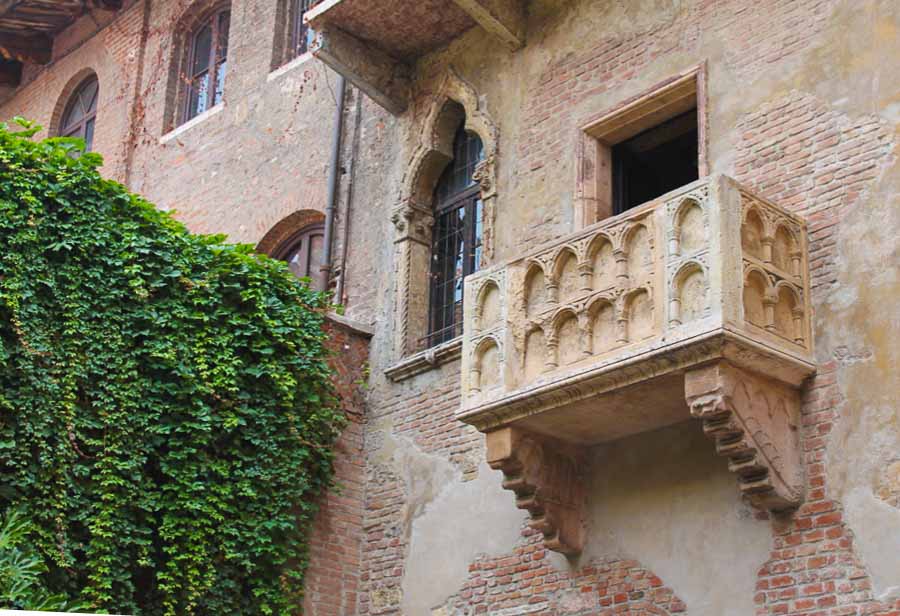
Verona will undoubtedly enchant you with its Roman Arena and Casa di Giulietta, the Gothic-style 1300s house said to have inspired Shakespeare’s Romeo and Juliet.
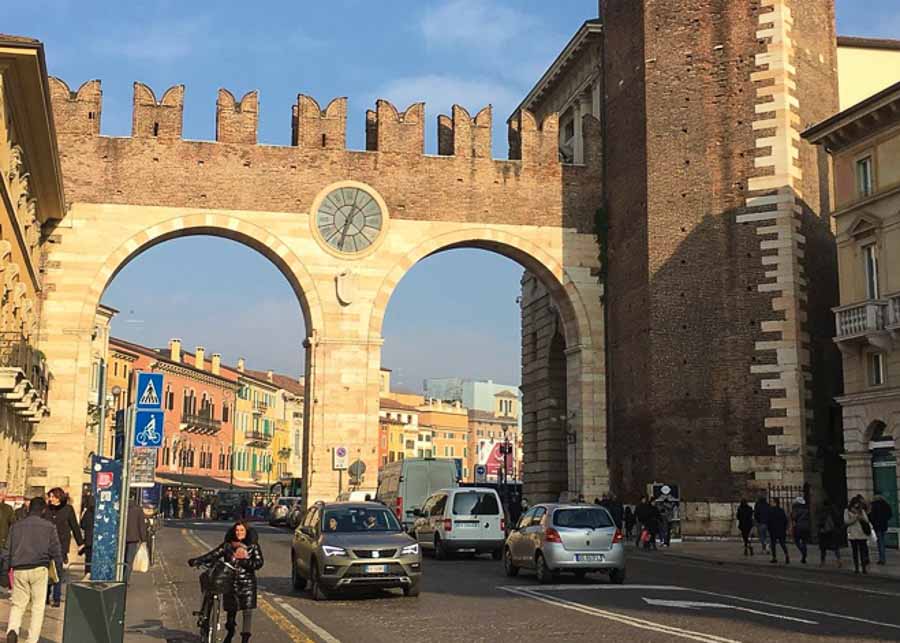
A day and a half should be enough for Verona, although if you can stay longer you won’t run out of things to do. Verona’s historic center is compact and easy to explore on foot.
Traveling from Verona to Venice: There are several direct trains from Verona to Venice. The journey takes 2 hours and 15 minutes on the Regionale (regular trains) and costs around $12 to $20. Or you can use the Regionale Veloce trains, which are faster regional trains. The trip takes about 1.5 hours and costs between $13 to $35 for a one-way ticket. Check Trenitalia for up-to-date ticket prices.
Day 7- 9: Venice
On this itinerary you have 3 full days in Venice, which is about the right amount of time for properly exploring the city.
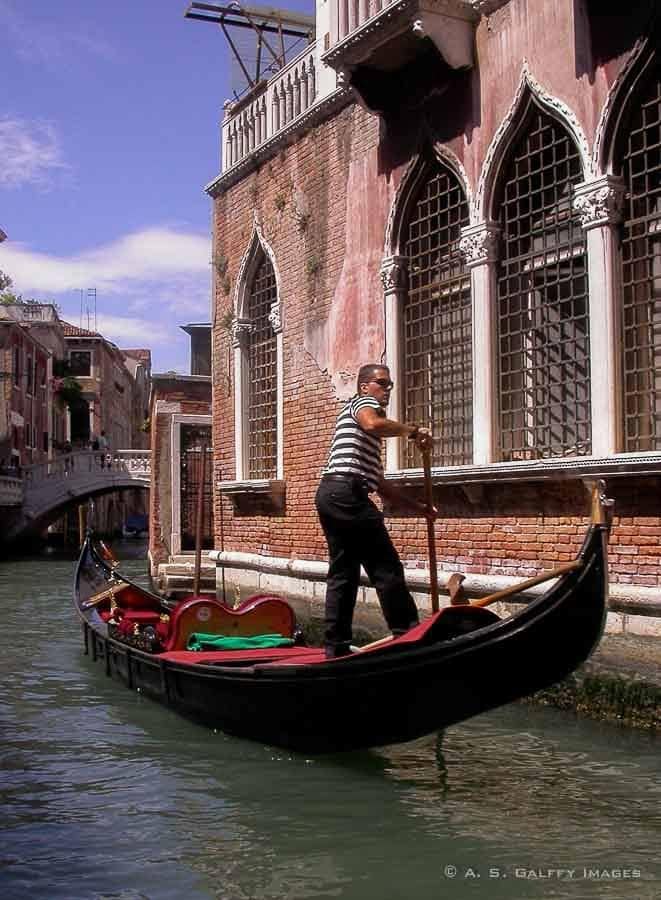
With three days in Venice, you’ll have enough time to see the major landmarks without rushing. Spend one day around St. Mark’s Square, Doge’s Palace, and the Rialto Bridge, then use another day to wander through quieter neighborhoods like Cannaregio or Dorsoduro. On your third day, take a boat trip to Murano and Burano, two of the most popular islands in the Venetian Lagoon.
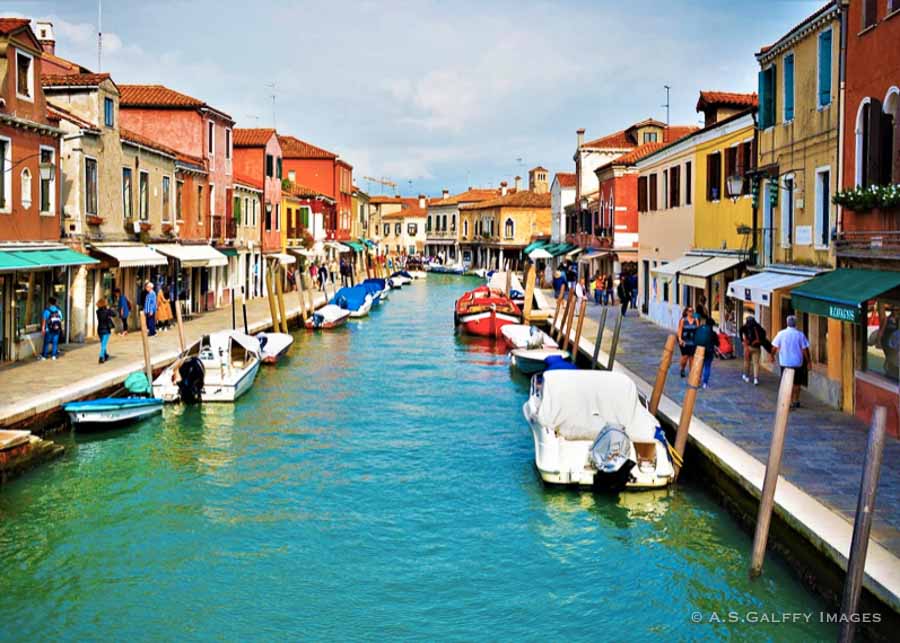
There is a lot to see and do in Venice if you want to spend the entire time exploring the city. However, you may use the extra day to visit the islands of Murano, Burano, and Torcello.
Day 10: Fly Back Home from Venice
Today you are flying back home. There are no direct flights from Venice to the United States, so you’ll most likely connect in Rome or some other European city.
ITALY ITINERARY #3: CENTRAL ITALY
(Bologna, San Marino, Florence, Siena, Perugia, Rome)
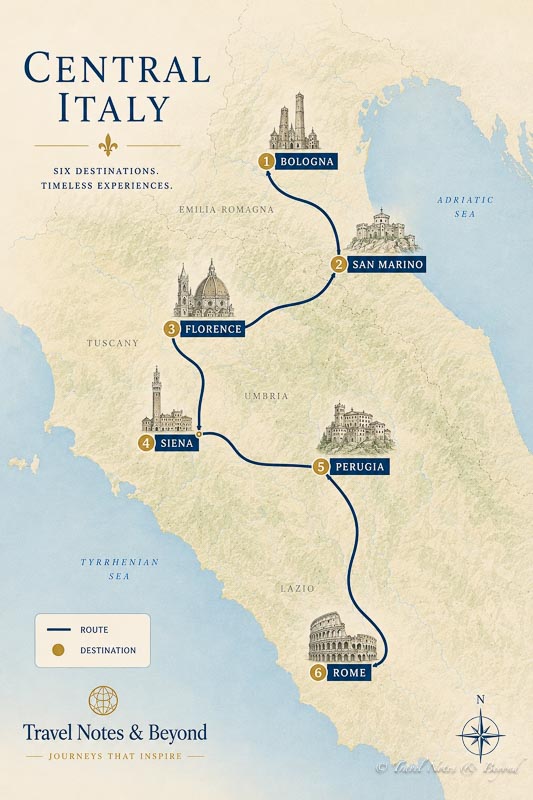
This Central Italy itinerary is perfect if you want a mix of famous cities, medieval towns, countryside drives, and less obvious stops. It starts in Bologna and works its way south through San Marino, Florence, Tuscany, Umbria, and Rome, giving you a varied route through the heart of Italy.
Central Italy Itinerary at a Glance
| Day | Destination | Overnight |
|---|---|---|
| Days 1-2 | Bologna | Bologna |
| Day 3 | San Marino | San Marino or Bologna |
| Days 4-5 | Florence | Florence |
| Day 6 | Siena & San Gimignano | Florence or Siena |
| Day 7 | Perugia | Perugia |
| Days 8-9 | Rome | Rome |
| Day 10 | Fly home from Rome | Flight home |
For this itinerary I recommend renting a car in order to save time. You ca also do it by train, but there are more direct routes when you drive.
Best Time to Go
The best time for this Central Italy itinerary is spring or fall, when the weather is pleasant and the countryside is at its most beautiful. April, May, September, and October are especially good months for visiting Bologna, Florence, Tuscany, Umbria, and Rome. From late May to mid-September, Italy gets very crowded, and July and August can be extremely hot, especially in the cities.
How to Get Around
This itinerary is easiest by car because it includes smaller towns and countryside stops that are more time-consuming to reach by train. You can do parts of the route by train, especially Bologna, Florence, and Rome, but having a car will make it easier to visit San Marino, Siena, San Gimignano, and Perugia. Once you arrive in Rome, return the car because you won’t need it in the city.
Who This Itinerary Is Best For
This route is best for travelers who enjoy historic towns, scenic drives, regional food, and a slower look at central Italy. It’s also a good choice if you’ve already seen Venice or Milan and want to focus on Tuscany, Umbria, Emilia-Romagna, and Rome instead.
Day 1–2: Bologna
Start your 10-day Central Italy itinerary in Bologna, one of Italy’s best food cities and a convenient gateway to this region. With two days in Bologna, you’ll have enough time to explore Piazza Maggiore, the Two Towers, the Archiginnasio, and the city’s famous porticoes. Bologna also has excellent train connections and a lively historic center, making it a good place to begin this itinerary.
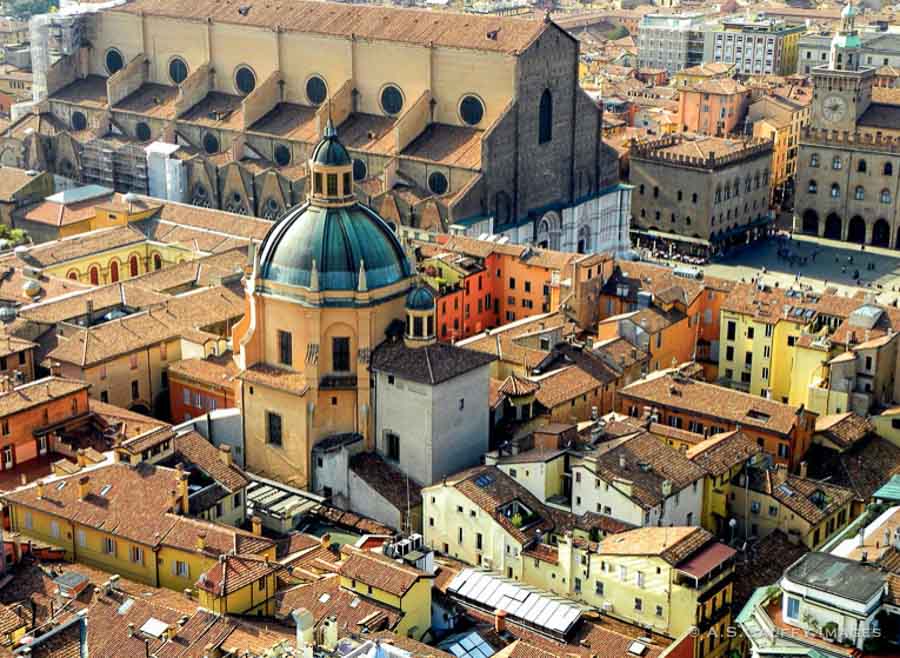
Bologna is also one of the best places in Italy for food lovers, so make time to try local specialties like tagliatelle al ragù, tortellini in brodo, mortadella, and lasagna alla Bolognese.
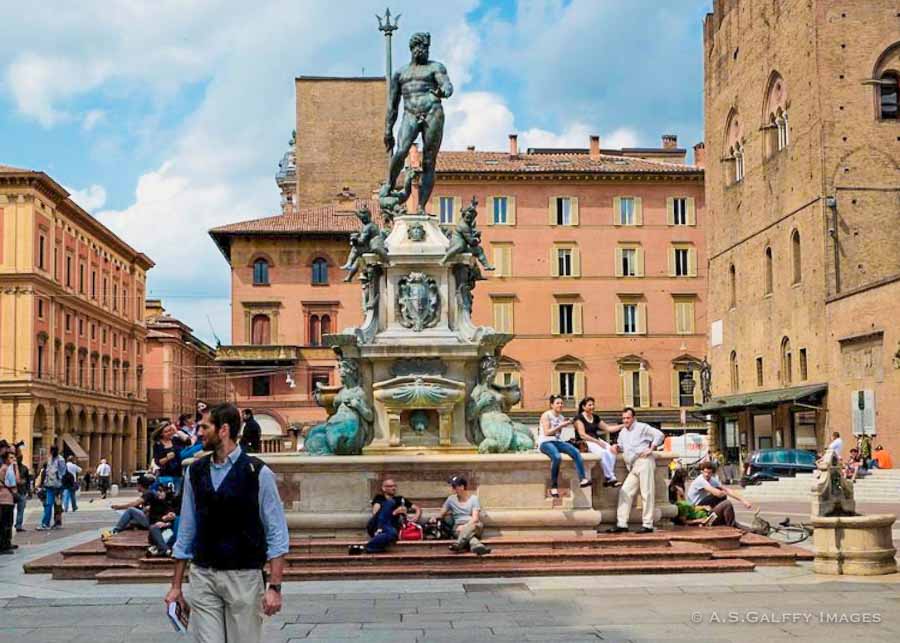
You’ll love the city’s lively atmosphere and delicious restaurants! Tonight you should check into a hotel in Bologna. The next morning after breakfast, you can start your drive to San Marino (it takes about 1 hour and 35 minutes.)
Day 3: San Marino
On Day 3, drive from Bologna to San Marino, one of the smallest countries in Europe and one of the most interesting detours in this itinerary. The drive takes about 1 hour and 35 minutes, and you can spend the day exploring the old town and its beautiful attractions.
San Marino is often confused with just another Italian city. Nonetheless, this small country totally surrounded by Italy, has stubbornly clung to its independence for over 1700 years.
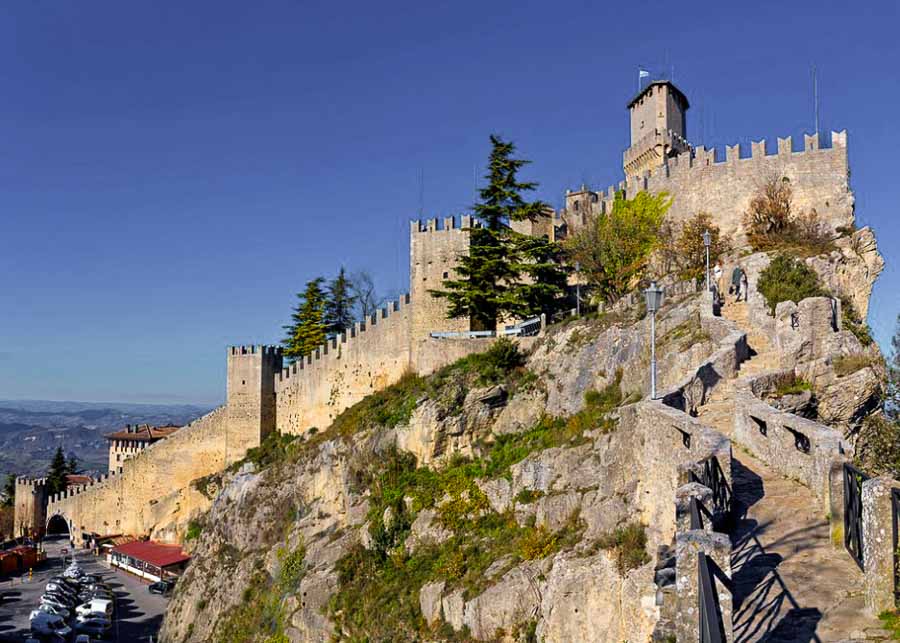
San Marino is a small place, so you don’t need a lot of time to explore its attractions. Most of them are located in the old town area which is pedestrian and really small. Here you can climb the three towers, walk the Passo delle Steghe, visit Piazza de la Liberta and Palazzo Pubblico, which is actually the town hall.
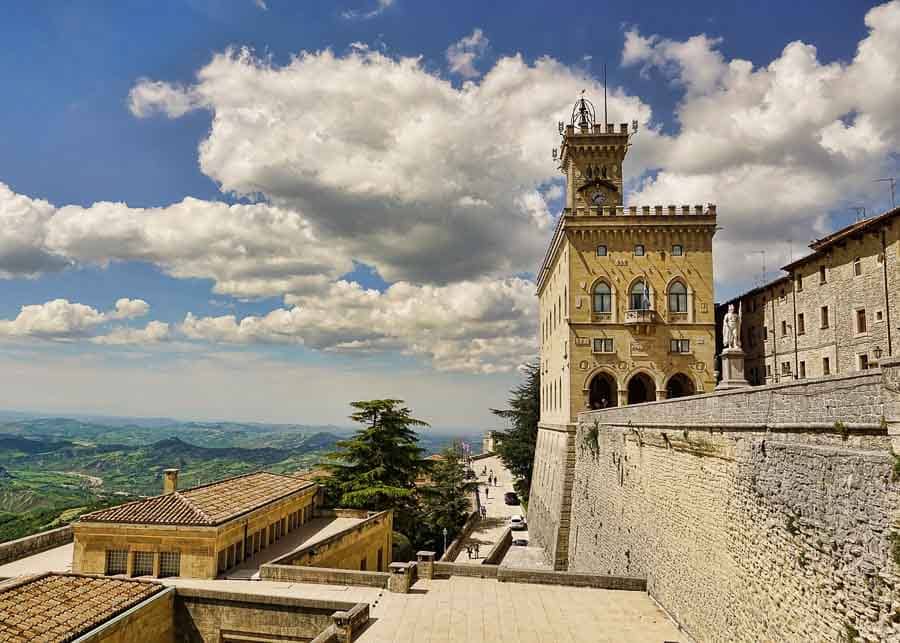
San Marino is only accessible by bus or by car, as there is no train station or airport nearby. Parking in San Marino is available throughout the city and is relatively inexpensive. You may choose to leave your car down the hill in Borgo Maggiore and use the funicular (Funivia di San Marino) to reach the historic center. There are some parking places in the historic center, but they fill up very quickly during the summer months.
Day 4-5: Florence
After visiting Bologna and San Marino, continue south to Florence, the birthplace of the Renaissance and one of the most beautiful cities in Italy. With this itinerary you’ll stay 2 nights in Florence, but you only have one day in Florence, or at the most one and a half, depending on the time of your arrival.
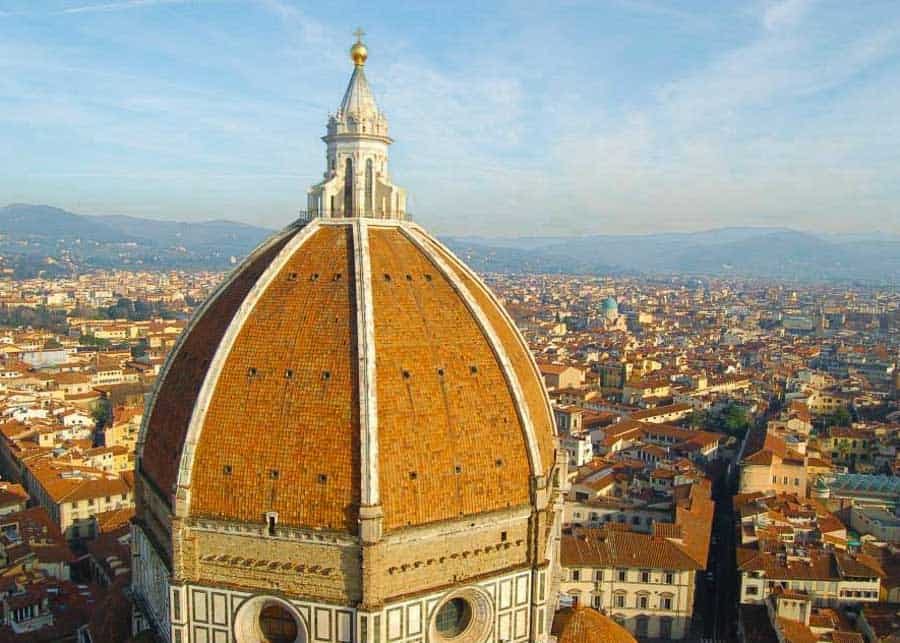
Florence is a magnificent city which deserves way more than that, but one and a half days should give you enough time to see the city’s most important landmarks, like Piazza della Signoria, Palazzo Vecchio, Loggia dei Lanzi, Ponte Vecchio and the Duomo of Florence. Enjoy its art and architecture, and still leave room for a short walk across Ponte Vecchio and lunch at Mercato Centrale.
Day 6: Tuscany (Siena & San Gimignano)
Since you have a car, you should spend Day 6 driving through the beautiful Tuscan countryside.
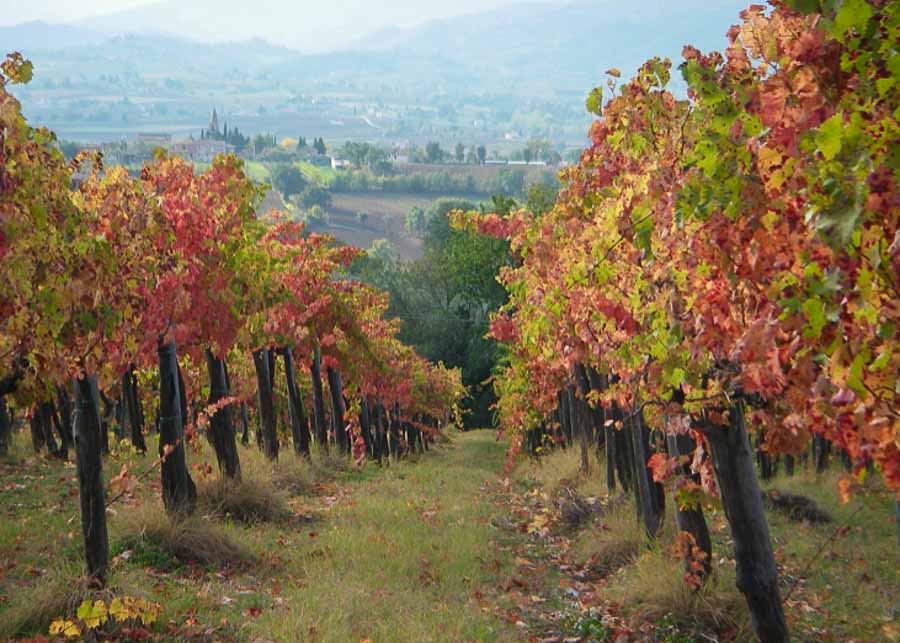
Tuscany is one of Italy’s most popular travel destinations, famous for its medieval towns, rolling hills filled with vineyards and olive groves.
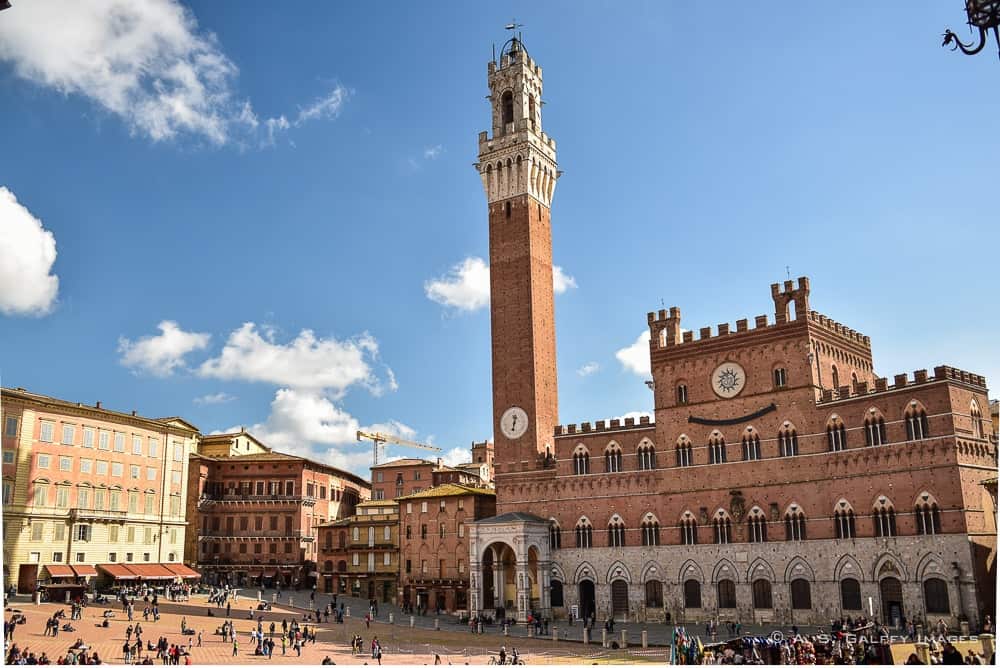
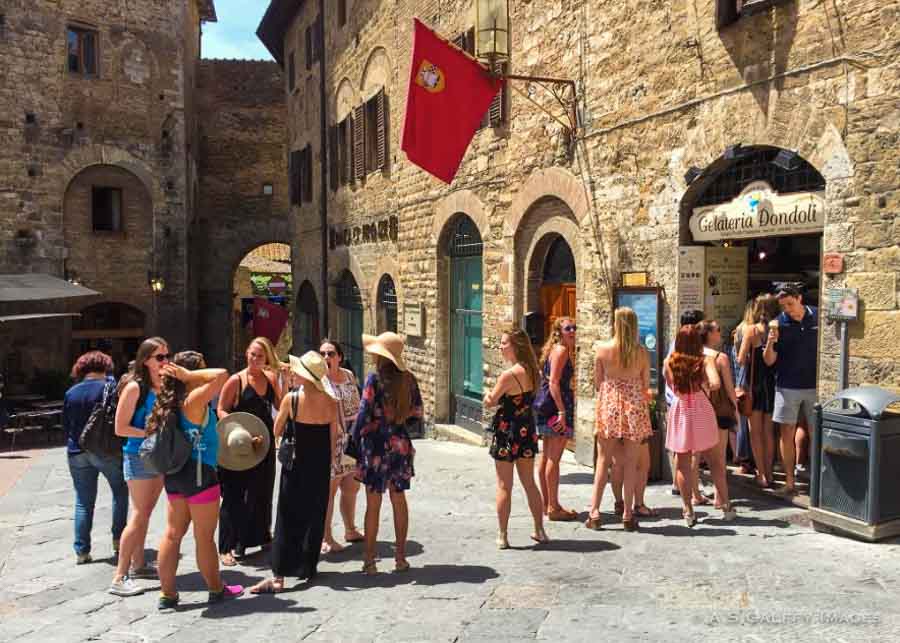
Today you can take a day trip to Siena, which is only an hour away from Florence. On the way you should stop in San Gimignano and try some fantastic ice cream at the Gelateria Dondoli. Their gelato is famous all over the world, so many celebrities come here especially for it.
Day 7: Umbria (Perugia)
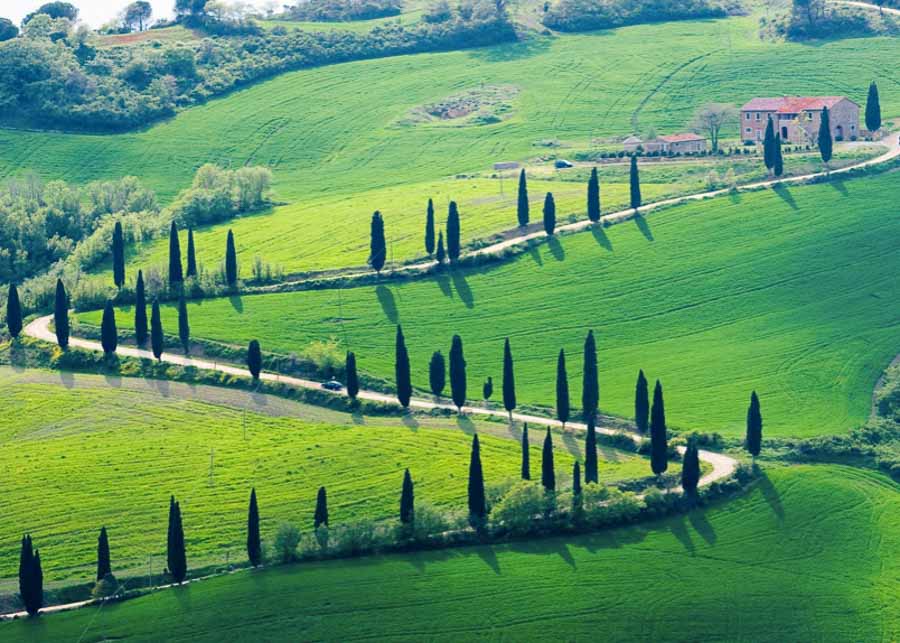
You’ll be spending a good part of your 6th day driving through Umbria. This region has been called “Italy’s Green Heart” because it is green and mainly agricultural. There are plenty of interesting and historic towns to discover in Umbria, but on this itinerary I’ve only included Perugia, the capital city of the region.
Perugia is a very old city, dating back to the Etruscan period. It doesn’t have the frenetic pace of cities like Rome, but it has charm and it gives you a glimpse into the Italian lifestyle.
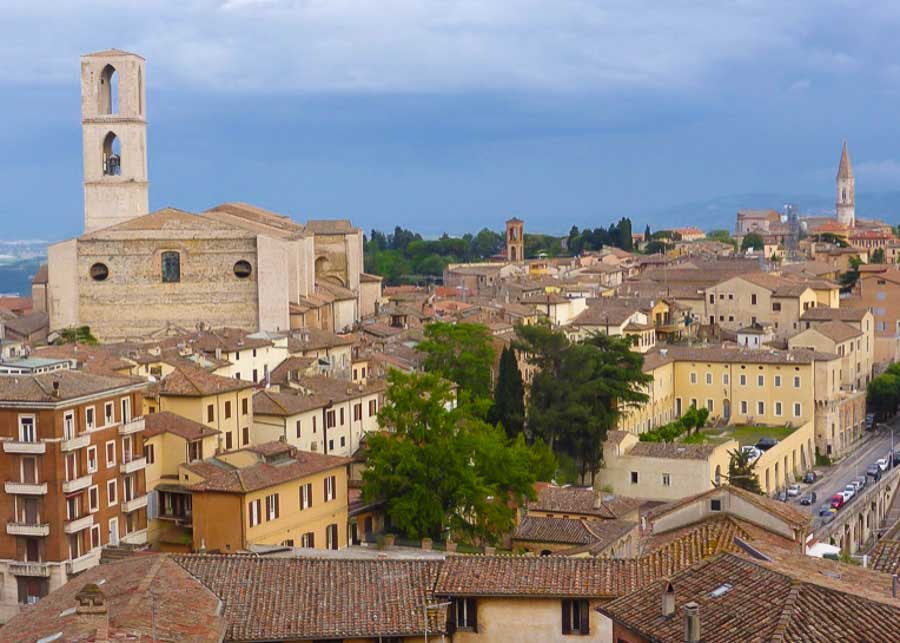
The city sits up on a high rock and kind of tumbles down the hillside – which means there is a LOT of walking up and down the hill to see it all.
TIP: Perugia has a mini-metro that helps you move between the lower parking areas and the historic center. It can save you time and energy, especially since the city is built on a hill.
Day 8–9: Rome
You’ll spend part of your 8th day on the road, driving from Perugia to Rome. If you start your trip after breakfast, you’ll arrive in Rome around noon (driving time is about 2.5 hours). Drop your luggage at the hotel and then return your car, as you won’t be needing it in Rome.
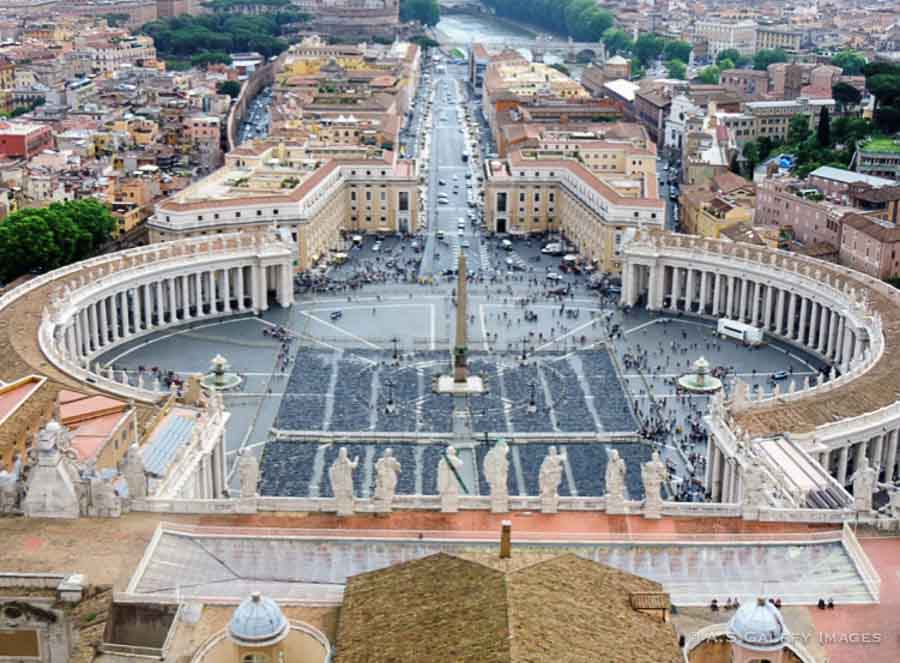
This itinerary gives you only a short time in Rome, so it works best if you’ve already visited the city before or if you only want to end the trip with a quick taste of Italy’s capital. If this is your first time in Rome, consider taking one day from Bologna or San Marino and adding it to Rome instead.
With your limited time, focus on one or two areas rather than trying to see everything. You could spend one day visiting Ancient Rome, including the Colosseum, Roman Forum, and Palatine Hill, and another day exploring the Historic Center, with the Pantheon, Piazza Navona, Trevi Fountain, and the Spanish Steps.
Day 10: Fly back home from Rome
Your 10-day Italy itinerary ends in Rome, so today you’ll be flying home. Most international flights depart from Rome very early in the morning.
ITALY ITINERARY #4: SOUTHWEST ITALY
(Naples, Sorrento, Capri, Pompeii, Pozzuoli, Amalfi Coast, Salerno)
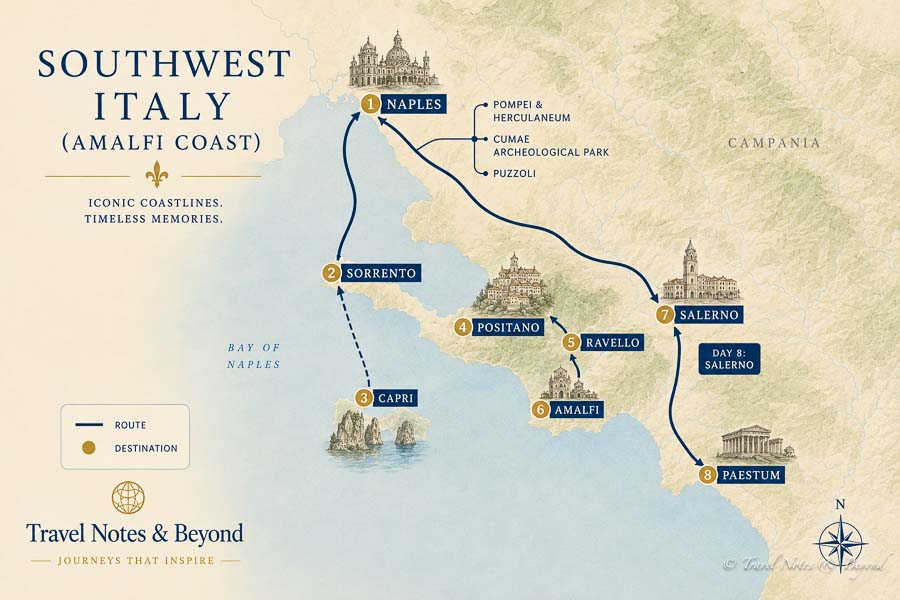
This Southwest Italy itinerary is perfect for travelers who want ancient ruins, dramatic coastline, island scenery, and a different side of Italy than the classic Rome-Florence-Venice route. It focuses on Naples, Sorrento, Capri, Pompeii, Herculaneum, the Amalfi Coast, Salerno, and Paestum, with a strong emphasis on archaeology and coastal landscapes.
Southwest Italy Itinerary at a Glance
| Day | Destination | Overnight |
|---|---|---|
| Day 1 | Arrive in Naples, continue to Sorrento | Sorrento |
| Day 2 | Sorrento | Sorrento |
| Day 3 | Capri | Sorrento |
| Day 4 | Pompeii and Herculaneum | Sorrento |
| Day 5 | Cumae Archaeological Park | Sorrento or Naples area |
| Day 6 | Pozzuoli and Campi Flegrei | Sorrento or Naples area |
| Day 7 | Amalfi Coast: Positano, Amalfi, Ravello | Salerno |
| Day 8 | Salerno | Salerno |
| Day 9 | Paestum | Salerno or Naples |
| Day 10 | Fly home from Naples | Flight home |
Best Time to Go
The best time for this Southwest Italy itinerary is late spring or early fall. I based this itinerary on a trip we took in late September and early October, which was an excellent time to visit the Amalfi Coast and the archaeological sites. The weather was still warm, the sea was pleasant, and the peak summer crowds had already thinned out.
How to Get Around
Because this itinerary includes many archaeological sites and coastal towns that are more time-consuming to reach by public transportation, it is easier to do it with a rental car. That said, the Amalfi Coast can be challenging to drive, as the road is narrow, winding, and often busy in high season. In some ways, it reminded me of driving the Pacific Coast from L.A. to San Francisco, although the Amalfi Coast road feels much tighter in places. Therefore, if you are not comfortable with narrow coastal roads, you can use buses, ferries, or hire a driver for that portion of the trip
TIP: If you plan to rent a car, choose the smallest car that will comfortably fit your luggage. Roads and parking spaces in this part of Italy can be narrow, especially around the Amalfi Coast and older town centers.
Who This Itinerary Is Best For
This route is best for travelers who are interested in ancient history, archaeology, coastal scenery, and lesser-known places in Southern Italy. It’s also a good choice if you’ve already visited Rome, Florence, and Venice and want a more regional itinerary with fewer big-city stops.
Day 1: Arriving in Naples
The best landing point for this itinerary is Naples. While Naples has plenty to offer, this itinerary focuses more on the coast and archaeological sites. That’s why I recommend heading straight to Sorrento after you land.
Day 2: Sorrento
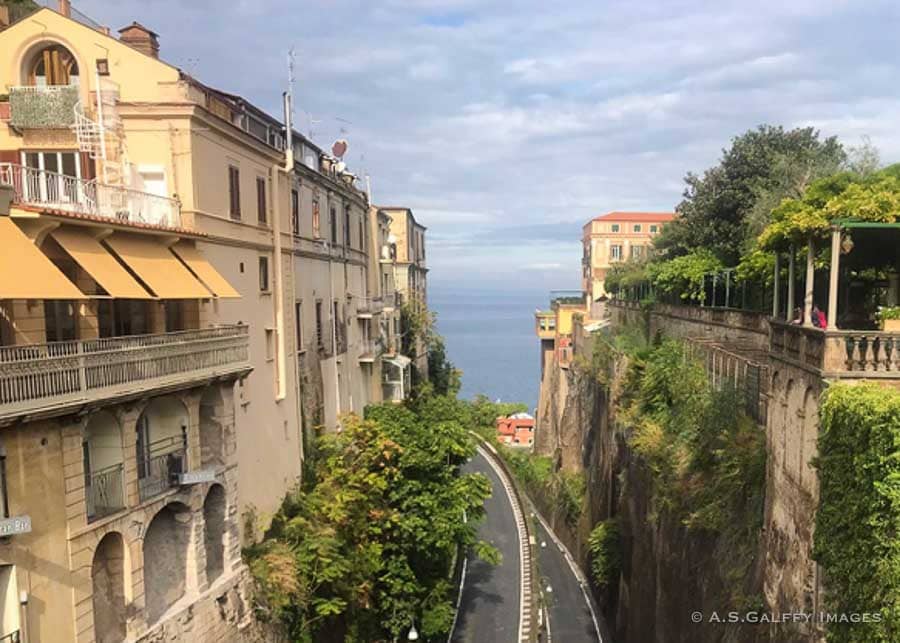
Sorrento is a very picturesque town overlooking the Bay of Naples and a great base for exploring the Amalfi Coast. Its historic center is a good place to wander, shop, or join the evening stroll. In addition, Sorrento has excellent ferry connections to Capri, which makes it convenient for the next day of this itinerary.
Day 3: Capri
You’ll spend the 3rd day of your southern Italy itinerary visiting the fabulous island of Capri which includes two towns: Capri and Anacapri. The rocky limestone island is just a ferry ride away from Sorento.
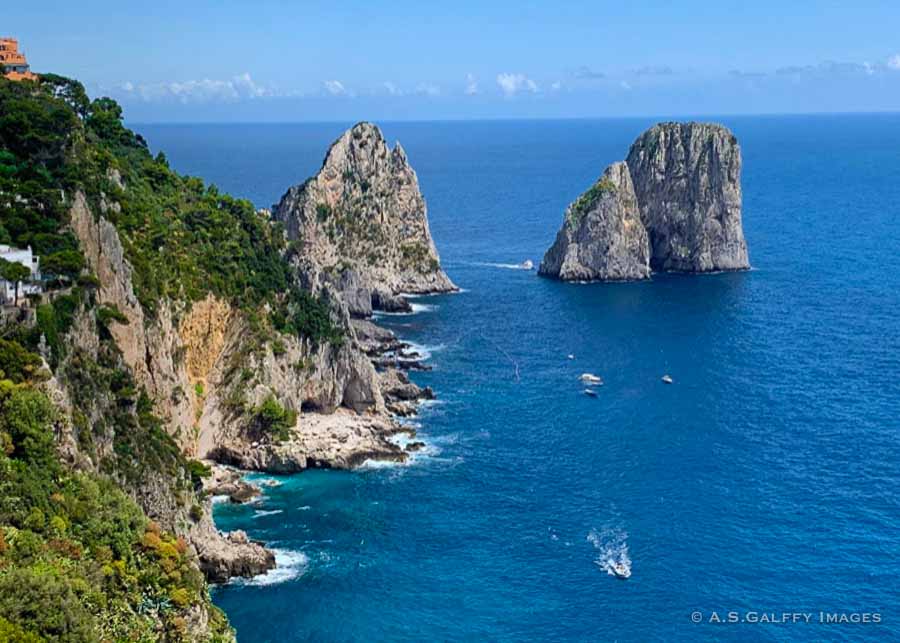
You have many choices for how to spend your day on the island. You can walk through the towns, visit churches and gardens, hike to scenic viewpoints, or simply relax by the water. However, if this is your first time in Capri, I strongly recommend taking a boat tour around the island and visiting the Grotta Azzurra, also known as the Blue Grotto.
Day 4: Pompeii and Herculaneum
These two Roman cities were buried in ash during the eruption of Mount Vesuvius in 79 A.D. They are considered among the most important archaeological sites in the world. They are also UNESCO World Heritage sites.
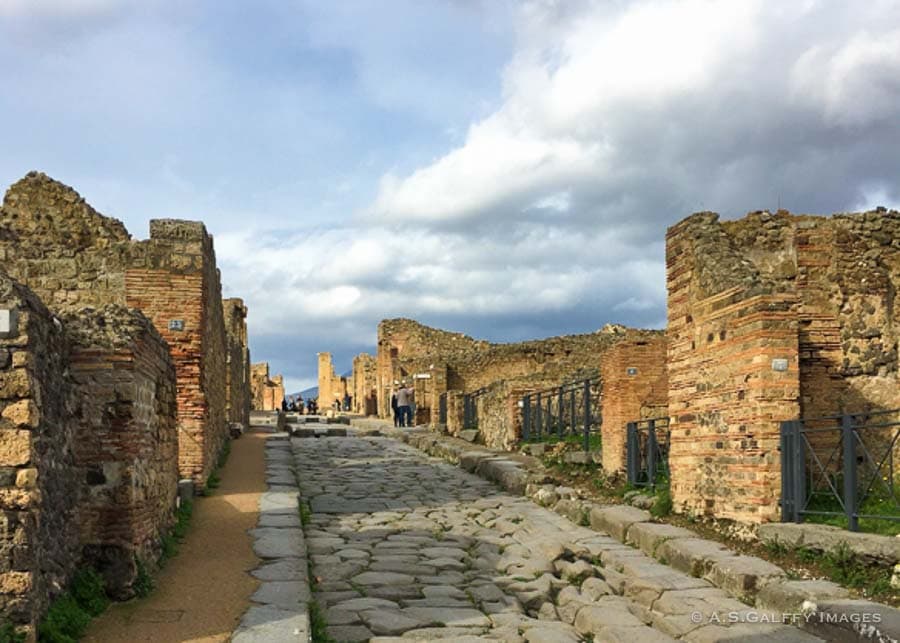
Both Pompeii and Herculaneum have been preserved in a state of “suspended animation.” Life was suddenly frozen in time by the catastrophic volcanic eruption.
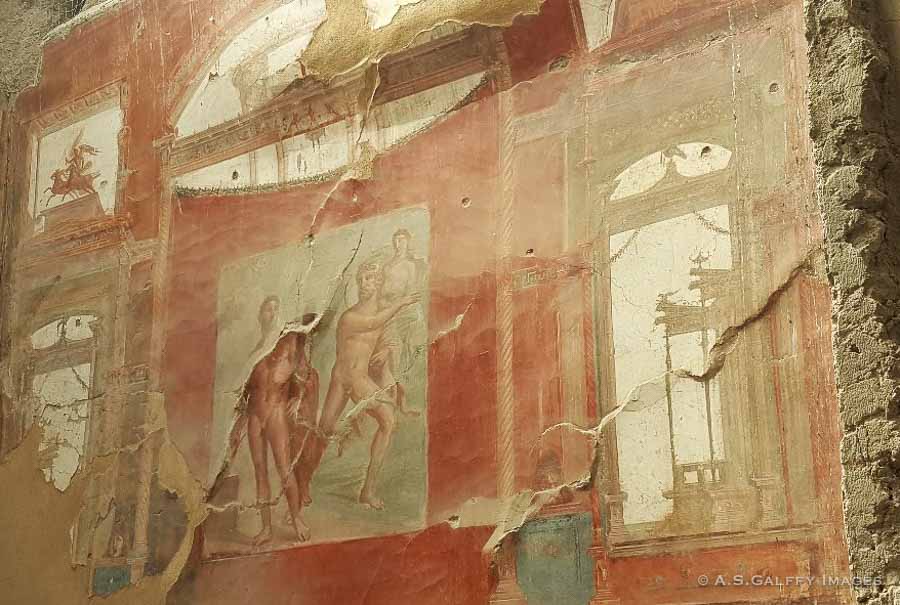
While Pompeii is a more impressive site, Herculaneum is better preserved as it was covered in a layer of protective mud and volcanic ash.
Day 5: Cumae Archaeological Park
Today you’ll be visiting the archaeological park at Cumae, one of the most fascinating ancient sites in this area. The park is home to the fabled Cave of the Sibyl, one of the great oracles of antiquity, who was believed to preside over the destinies of men. The site is about 1 hour and 15 minutes from Sorrento by car.
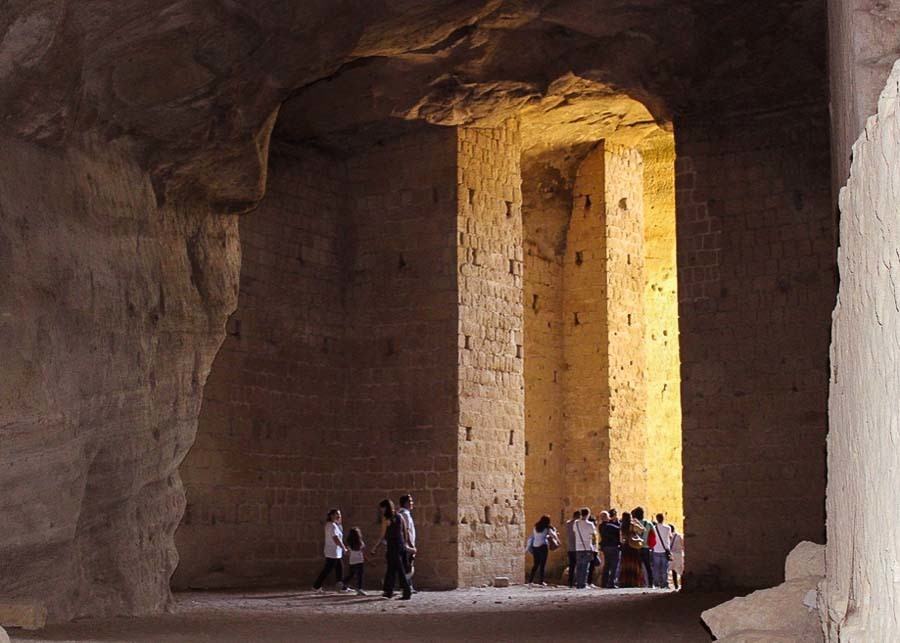
The site is about 1 hour and 15 minutes away from Sorento, by car.
Day 6: Pozzuoli
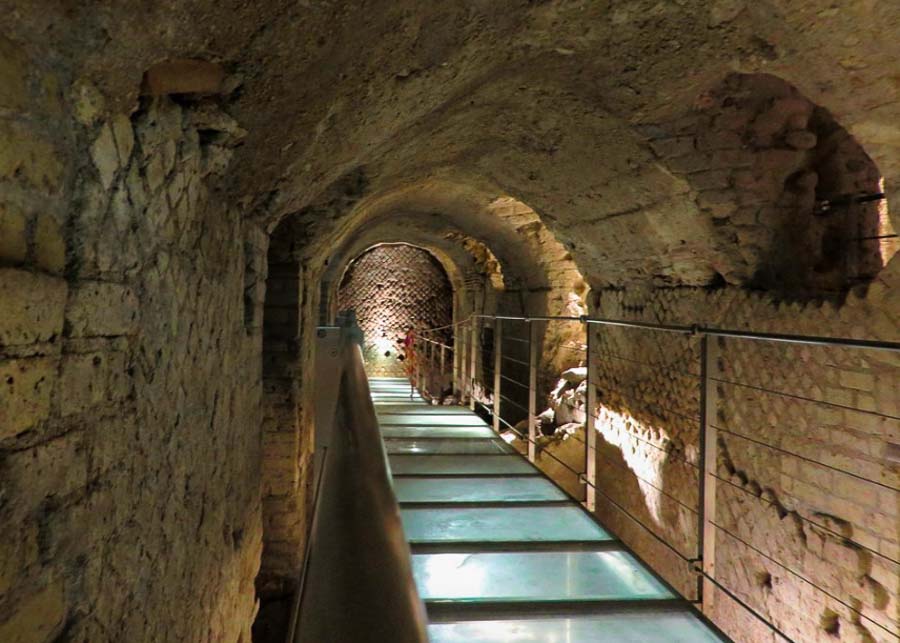
Pozzuoli is worth visiting for its “burning fields,” the Campi Flegrei, a large volcanic caldera located under the Gulf of Pozzuoli. Another important attraction is Rione Terra, an underground archaeological site built over an ancient Roman colony founded in 194 B.C. which later became the commercial port of Rome.
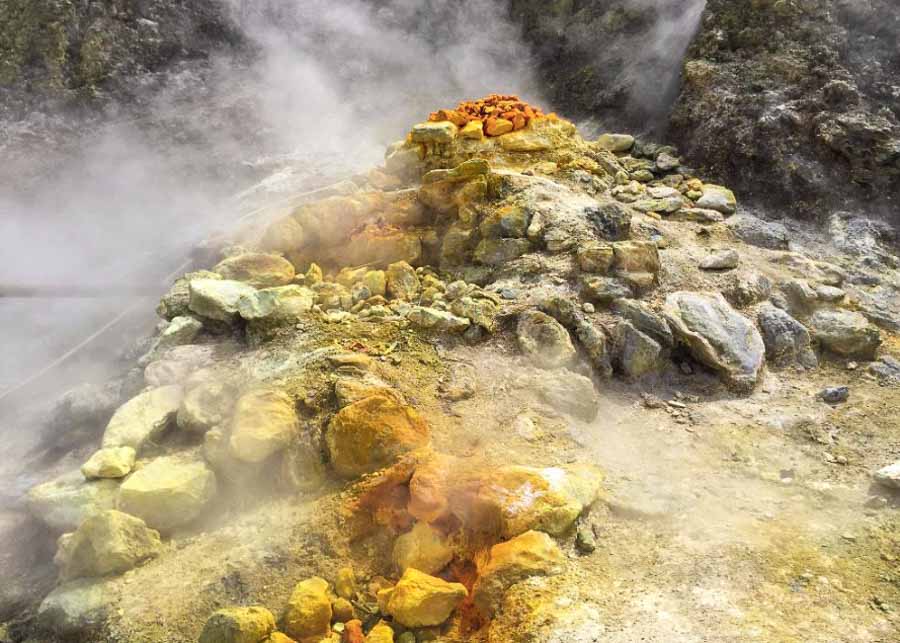
Another great attraction is the underground archaeological site of Rione Terra. This is an ancient Roman colony founded in 194 B.C. which later became the commercial port of Rome.
Day 7: Amalfi Coast
Today you’ll be driving along the Amalfi Coast, stopping to visit some of the many small towns along the way. Since you only have one day for the Amalfi Coast, don’t try to see every town along the road. Instead, focus on Positano, Amalfi, and Ravello, which will give you a good mix of coastal views, historic sites, and beautiful gardens. If traffic is heavy, it’s better to slow down and enjoy fewer places rather than spend the entire day rushing from one stop to another.
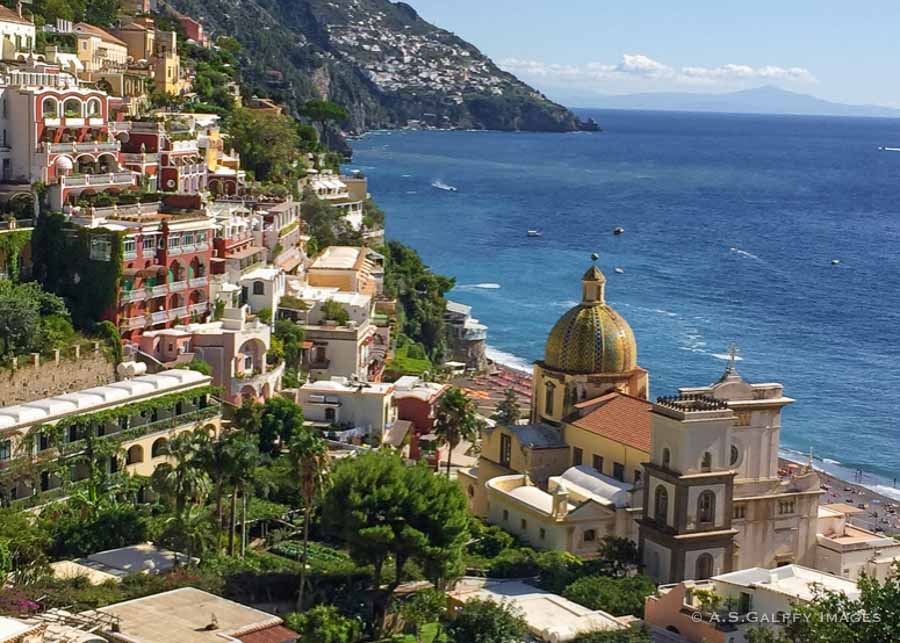
You could visit Positano in the morning, stop in Amalfi for lunch and a short walk around town, then continue up to Ravello in the afternoon. A good place to stop for lunch is Amalfi town, which sits between Positano and Ravello and makes a convenient break in the day. After lunch, you can visit the Amalfi Cathedral before continuing up to Ravello for its gardens and panoramic views.
Day 8: Salerno
Spend Day 8 visiting the historical center of Salerno. You can walk along the Trieste Promenade, tour Arechi Castle, or visit the Minerva Gardens and the Villa Comunale. After a busy day on the Amalfi Coast, Salerno makes a practical and pleasant overnight stop because your itinerary continues south toward Paestumdens and the Villa Comunale.
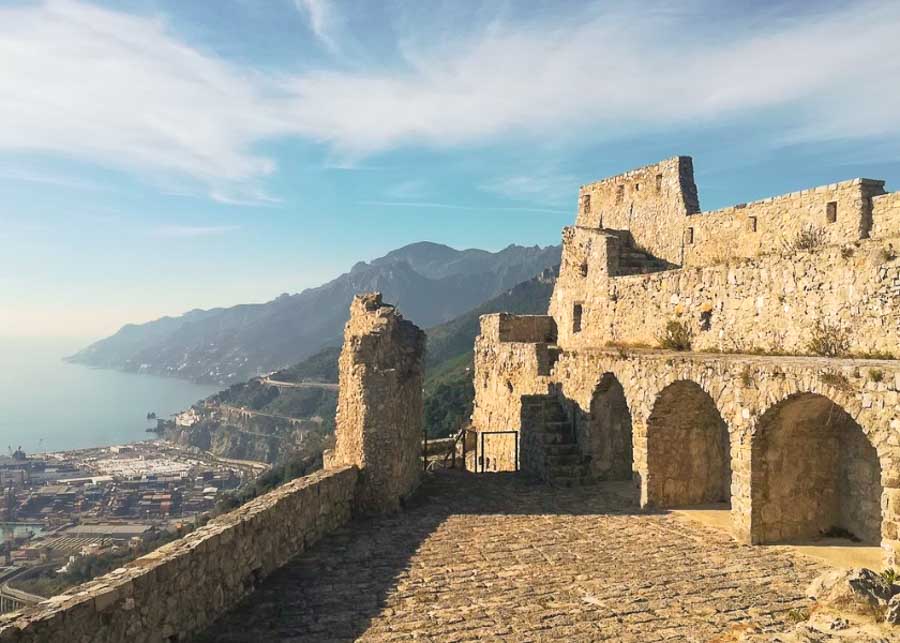
I recommend spending the night in Salerno, as your itinerary will continue south from here.
Day 9: Paestum
Paestum deserves a full-day visit. The site includes the ruins of three ancient Greek temples dating from about 550 to 450 B.C., and they are among the best-preserved Greek temples in Italy. The city walls and amphitheater are also almost intact and are somewhat similar to the ones you may see in the Valley of the Temples in Sicily. I recommend touring the museum first, as it will give you a better understanding of the archaeological site.
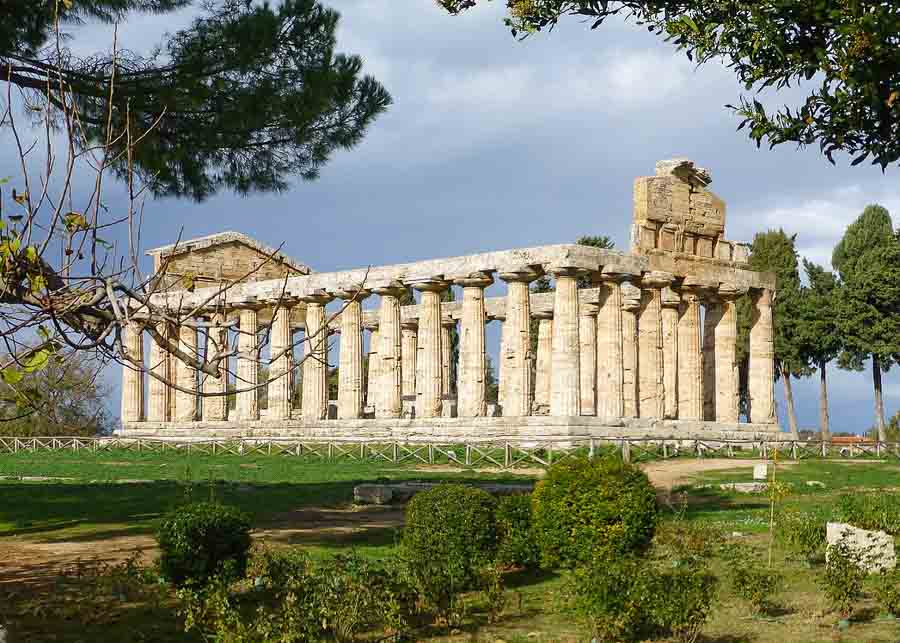
After visiting Paestum, you can either return to Naples and check into a hotel for one night, or spend another night in Salerno and drive directly to the airport the following day, depending on what time your flight leaves
Day 10: Fly back home from Naples
Your 10 days in Italy itinerary ends today. You’ll be flying home from Naples. However, if you are headed overseas you’ll have to change planes either in Rome or in some other European city.
More Than 10 Days in Italy?
If you have more than 10 days in Italy, you can easily slow down any of these itineraries and spend more time in the places that interest you most. Italy is not a country you want to rush through, so adding even two or three extra days will make your trip feel much more relaxed.
For a classic first-time itinerary, I would add one extra day in Rome and one extra day in Florence. This would give you more time for the Vatican Museums, Trastevere, the Uffizi Gallery, or a day trip into Tuscany.
If you choose the Northern Italy itinerary, consider adding more time on Lake Como or in Venice. With an extra day or two, you could visit more lakeside towns, take a boat ride to Bellagio, or spend a full day exploring Murano, Burano, and Torcello.
For the Central Italy itinerary, extra days are best spent in Tuscany or Umbria. You could add towns like Assisi, Orvieto, Montepulciano, or Lucca, depending on your route and interests.
If you follow the Southwest Italy itinerary, I would add more time on the Amalfi Coast or in Naples. You could also continue farther south toward Calabria, or add a few days in Sicily if you have at least two full weeks.
In general, if you have 12 to 14 days in Italy, don’t necessarily add more cities. Instead, slow down the pace, spend more nights in fewer places, and allow time for long lunches, scenic drives, and spontaneous discoveries.
10 Days in Italy FAQ
Ten days is enough to see some of Italy’s most famous places, but it is not enough to see the entire country. For a first trip, you can comfortably visit three or four major destinations, especially if they are well connected by train. However, if you want a more relaxed experience, it’s better to focus on one region rather than trying to cross the entire country.
For first-time visitors, the classic route through Rome, Florence, Venice, and Milan is usually the best choice. These cities offer a great introduction to Italy’s history, art, architecture, food, and culture. In addition, they are easy to connect by train, so you won’t need to rent a car.
It depends on the itinerary you choose. If you are visiting big cities like Rome, Florence, Venice, Milan, Bologna, or Verona, the train is usually the easiest and most convenient option. However, if your itinerary includes countryside areas, small towns, or archaeological sites that are harder to reach by public transportation, renting a car will give you more flexibility.
The best time to spend 10 days in Italy is usually spring or fall, especially April, May, September, and October. During these months, the weather is generally pleasant, the crowds are smaller than in summer, and sightseeing is more enjoyable. July and August can be very hot, crowded, and expensive, especially in popular cities and coastal areas.
For a 10-day Italy itinerary, I recommend choosing three or four main bases rather than changing hotels every night. This gives you enough variety without making the trip feel exhausting. If you want to visit smaller towns or take day trips, it’s better to add them from a central base instead of constantly moving from place to place.
A Final Thought
Italy is one of those countries where 10 days will never feel like enough, no matter how carefully you plan your trip. However, with the right itinerary, you can still experience a wonderful mix of art, history, food, scenery, and local culture without feeling completely rushed.
Whether you choose the classic route through Rome, Florence, Venice, and Milan, or a more regional itinerary through Northern, Central, or Southwest Italy, try to leave a little room for slow moments. Some of your best memories may come not from checking another landmark off your list, but from a long lunch, a quiet piazza, a scenic drive, or an evening stroll through an old Italian town.
YOU MAY ALSO LIKE:
How to Dress Like a European – Packing Guide for Europe
Best Time to Visit to Europe – Understanding the Travel Seasons in Europe
12 Tips for Traveling to Europe Like a Pro
Best Things to Do in San Marino, Europe’s Oldest Republic
Is Cinque Terre Worth Visiting? What You Should Know Before You Go
PIN THIS FOR LATER!
 10 Amazing Days in Switzerland – Itinerary by Scenic Trains





Angel
Hi,
You give some great itinerary ideas for Italy. I really appreciate the time you spent on coming up with some many fantastic places to visit. For sure I will come back to your blog to plan my next Italian adventure.
Thank you,
Angel
Yamerson
Living in Italy has been a dream come true, and I’m always excited to explore more of this beautiful country. These 10-day itinerary ideas are incredibly helpful, even for someone like me who calls Italy home. The Quintessential Italy itinerary is a great choice for first-time visitors, and I completely agree that starting in Rome is convenient. Florence holds a special place in my heart, and the suggestion to climb Giotto’s Tower for those breathtaking views is spot on. Italy’s charm never fades, and these itineraries capture its essence perfectly. Grazie for sharing these travel gems! 🇮🇹🌄
Anda
Thank you for taking time to comment. I’m glad you found this information helpful.
Dave Arringdale
As someone who is half Italian and has traveled to Italy, I appreciated this post immensely. One of our favorite spots in Italy is Cinque Terre where yo feel like you can feel like you’ve traveled back to another point in time. We have done day trips from Florence to Cinque Terre and had plenty of time to enjoy the area and partake in some of the local activities. For me, Italy in general holds more charm than any country I’ve visited and can’t wait to get back there.
Indranil Majumdar
Hi Anda,
We are planning our first visit to Italy in mid-February for about 10 days. I was wondering if you would recommend itinerary #1 for that time of the year. Thanks for your informative website.
Anda
Rome is rather cold in winter, so I would rather recommend the southern part of Italy for that time of year. However, there are less tourists at that time of year, so you’ll be able to avoid the crowds in mid-February.
Roberta Struski
Hello Anda-
We are a family of 4 adults. We have been to Italy before and would like to return and see places we did not get to the first time. We traveled by train and private driver.
Looking to go to Milan, Lake Como, Cinque Terre and spend-2to 3days each finishing up in Sorrento – where we would like to spend about 5 days- we had been to Sorrento last time and loved it.
Any advice as to what order to do things and how to go from place to place. Looking at September 2023.
Anda
The best way would be to start in Milan, then visit Lake Como, Cinque Terre and then go south to Sorrento. We like to travel by car, but if you are not comfortable driving in Italy you can always use the train. Hiring a driver is also a good idea, but it will definitely be more expensive.
Himalaya Tour
1 month is a good decision to travel there. many travelers just there for 7 to 14 days. Not enough.
Anda
I agree, but most people don’t have that kind of time at hand unfortunately.
Leslie Peoples
Hi there, I’m just beginning my search for a 14 day Italy trip in November and found your website. Thank you for all of the great information and suggestions!
I am thinking about Rome, Florence & Venice but would also like to see the Valley of The Temples in Sicily. Would you recommend adding that at the beginning or the end of the trip?
Leslie
Anda
Hi Leslie,
Thank you for dropping by. In my opinion, you chose two very different locations in Italy. Combining Sicily with continental Italy it’s a petty big detour. If you are interesting in Greek antiquities you could drive down to Cumae and Amalfi coast, where you’ll find plenty of those. One thing to keep in mind is that if you fly from the continent to Sicily, you’ll land either in Palermo, or in Catania and from here you’ll have to drive to the Valley of the temples. That’s a lot of time consuming. I believe Sicily deserves a trip of its own. We spent two weeks touring the island and left feeling that we barely scratched the surface. However, if you are determined to divide your time between Rome, Florence, Venice and Sicily, I’d suggest to leave Sicily for last. It has a more relaxed pace than the continental Italy. Rome itself will surely drain you (both mentally and physically) with the incommensurable amount of historical sites, museums and all. Leave alone the charm of Venice and abundance of landmarks in Venice. So leave Sicily for last. Hope this helps.
Peter
This is one of the best article for all readers, I hope this is very useful for all travelers. It is an important and useful piece of information. Thanks for sharing this article for all readers.
Anda
Thank you, Peter. I appreciate it.
Elly
I love all these itinerary ideas! It is a wonderful blog to read. I am planning a trip to Italy, but do you think it is safe to travel in this year of pandemic??
Anda
It’s not more unsafe than going to the supermarket in my own neighborhood, Elly. Unfortunately for the time being travel restricted to almost anywhere in Europe.
Flora
This is an amazing guide but I think 10 days aren’t enough to enjoy Italy (this is my personal opinion). but there a lot of people make their trip a success in just 10 days.
I want to know if it is safe to visit Italy right now after the pandemic because I miss this place so much.
Anda
Italy is at safe as any other place on the planet to visit at this time. The problem is that our governments won’t let us travel anywhere without a Covid test and without quarantine, which takes all the fun away.
Medha Verma
Your post goes to show that even 10 days aren’t enough in Italy, haha! But that is exactly what I also realized when I spent 10 days in Italy half a decade ago. I did a similar itinerary as the first one you have suggested – with Rome, Venice, Florence but Capri instead of Milan. You’re lucky to have been able to spend more time and visit more cities; that’s exactly what I want to do. There’s so much more to see, I want to go back to visit places such as Sorrento, Amalfi Coast and Sicily. Also, Milan since I missed it on my first trip. You didn’t mention it in your post, but have you been to the Dolomites? They look gorgeous too!
Rhonda Albom
I have not spent that much time in Italy so I have only visited several of these cities and missed huge swaths of the country. Your itineraries look quite expansive and address many areas of interest. I would love to do the northern itinerary.
Anda
I’d love to revisit any of these great places, Rhonda. Italy is so beautiful!
Kate Flores
Wow, this is very detailed! I would do the Itinerary No. 4 🙂 I’d love to visit the Almafi coast and the archaeological place. Pasteum and Salerno are also very interesting.. 🙂 The Itinerary No. 1 is only the place they know from Italy but seeing the No. 4 made me re-think! Haha. We will have our honeymoon next year when the COVID is most possibly gone, I would re-read this to see your suggestions again. Thank you, great post and God bless 🙂
Chrissi
I really love how you’ve included clear itineraries and maps in this post. It makes it easier to understand the geography and proximity of the cities. I’ve been to the major cities, but would love to try the Amalfi Coast itinerary because it covers a lot of cities I’ve never been like Solerno and Sorrento. Also when I popped in a few years back there was a crazy heat wave so I need a redo!
Ami Bhat
Funnily, your Itinerary one was what I followed for 7 days – I had to exclude Milan as I did not have enough time. And yes, I did not get to Verona either. I wish I had seen this earlier and would have planned it better then. Itinerary 4 is something that I want to do next time I get to Italy. I really want to explore Capri and Pompeii. Bookmarking this for future.
Anda
I’m sure it was a great trip, Ami.
Nikola Webster
Hi there,
I love that you give some many options on itenaraty. I did a north to south trip of Italy and my favorite was Venice. I have never heard of the underground archaeological site of Rione Terra- I am adding this to my list for when I return. Thanks Nikki
Agnes
It is great that you showed a few options for trips around Italy, several different regions. I love Italy and visit it a lot. I love Italian cuisine and wine. We planned to go to the south of Italy for New Year’s Eve, but we will postpone the trip due to the next lockdown in Europe. One of my favorite regions which you describe is Tuscany. But I also love Rome, Milan, and Como lake. It’s worth seeing each of the places you describe. It is a great guide, a lot of interesting and useful information and tips.
Shreya Saha
Such a helpful blog for solo traveler like me. I would rather spend a month and visit all the must-see places in Italy, for example, spend a good amount of time in Rome, then Florence, Milan, also Lake Como, Venice, and Amalfi Coast islands. Waiting for things to become normal so I can go out again.
Anda
It’s great if you can take off for a month. Most people can’t so they only visit Italy for 10-14 days.
Arnav Mathur
I absolutely love these Itineraries. I wish this was written 2 years back, when i visited Italy. I ticked off Rome, Bologna, Milan and Lake Como off my list, but there still seems to be a lot that i need to discover and experience in Italy. And i have a feeling that, i were to take help of these itineraries, one after the other, i would have experienced the best that Italy has to offer.
Anda
It’s not too late to include all those cities on your list and take a second trip to Italy, Arnav.
Trisha Velarmino
I lived in Milan when I was studying at Uni and I definitely love it! I love that you gave different options but if your readers can see my comment, guys, definitely pick Bologna! I really loved Bologna and I planned to study culinary arts there. It was just so expensive! I’m curious though: which route/itinerary did you enjoy the most? And how’s Siena? Believe me, even if I lived in Italy, I’ve never been to Siena which is a shame!
Anda
Siena is beautiful, so maybe you’ll have a change to visit on another visit.